
Table of Contents
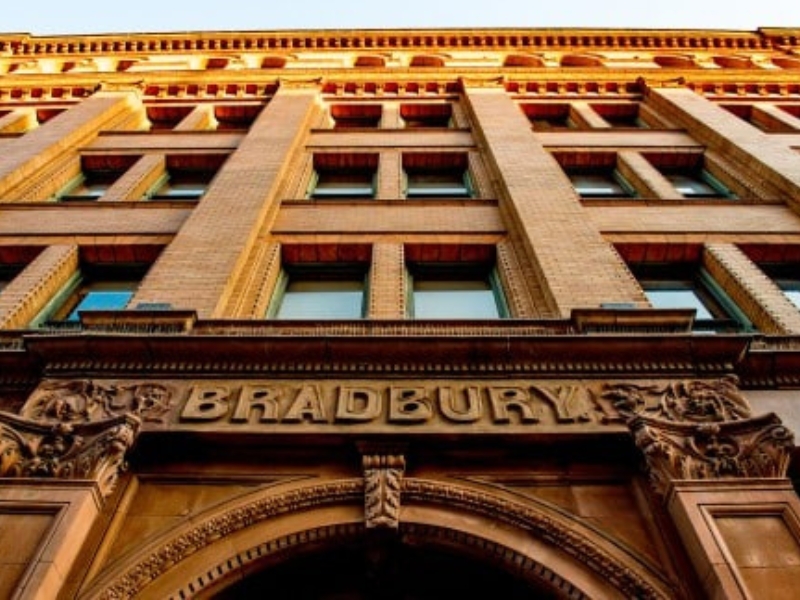
The Bradbury Building, a stunning architectural masterpiece in the heart of downtown Los Angeles, is a testament to Victorian-era ingenuity and a beloved Los Angeles landmark. This iconic building, with its light-filled atrium and ornate ironwork, has captivated visitors and filmmakers alike for over a century.
A Visionary Design
The Bradbury Building, completed in 1893, represents the zenith of Victorian-era commercial architecture. Commissioned by Lewis L. Bradbury, a mining magnate with a penchant for grandeur, the building was envisioned as a beacon of modernity and elegance, showcasing the best in design and construction. Although originally conceived by architect Sumner Hunt, Bradbury ultimately chose George Wyman, a draftsman without formal architectural training, to bring his vision to life. Wyman’s inspiration reportedly stemmed from Edward Bellamy’s novel Looking Backward, which described a utopian future filled with glass-domed buildings—an idea Wyman integrated into his design.
Wyman’s final creation featured innovative elements rarely seen at the time. The building’s open-air atrium, extensive use of glass, and ingenious ventilation systems set a new standard for architectural sophistication. Its façade, though modestly Romanesque Revival, conceals an interior that dazzles with grandeur and intricate detailing.
An Architectural Marvel
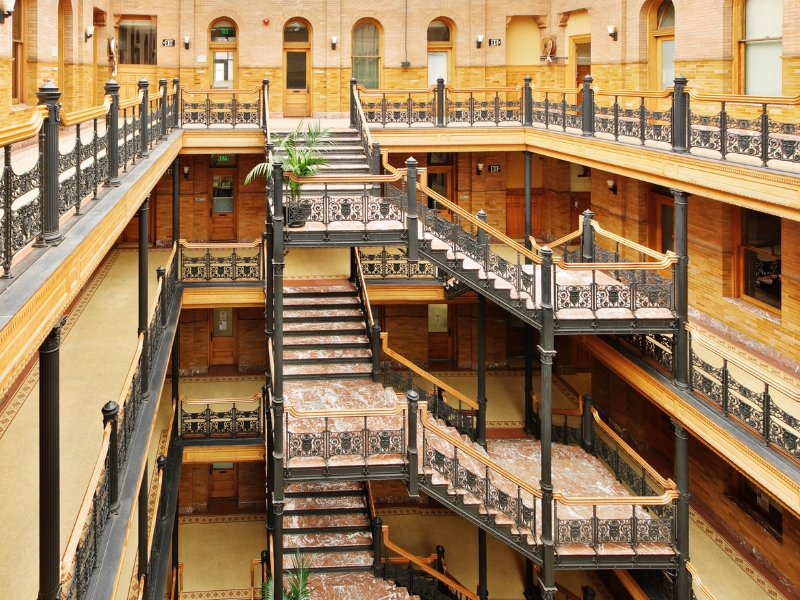
At the heart of the Bradbury Building lies its awe-inspiring atrium, a five-story space flooded with natural light. This luminous core, achieved through a massive skylight, creates an atmosphere of openness and tranquility, a stark contrast to the dense urban environment outside. The atrium’s design epitomizes the marriage of form and function, with each element meticulously crafted to elevate both aesthetics and utility.
The interior features an exquisite interplay of materials, including:
- Intricate wrought iron: The balconies, staircases, and elevator cages are adorned with elaborate ironwork, showcasing unparalleled craftsmanship and an almost ethereal delicacy.
- Polished Italian marble: Marble floors and walls reflect light and enhance the atrium’s sense of opulence.
- Stained glass accents: These decorative touches imbue the space with subtle hues and further celebrate the era’s artistry.
- Hand-carved woodwork: Details such as railings and paneling add warmth and character to the space.
A Hollywood Icon
The Bradbury Building’s timeless aesthetic and dramatic interiors have made it a favorite location for filmmakers. Its cinematic journey began in 1944 with Double Indemnity and reached iconic status with its prominent role in Ridley Scott’s Blade Runner (1982), where it provided a dystopian yet hauntingly beautiful setting for the film’s climactic scenes. Other notable appearances include The Artist (2011), 500 Days of Summer (2009), and numerous television series and commercials.
Through these films, the building has become more than just an architectural landmark—it has become a symbol of Los Angeles itself, blending history, creativity, and reinvention.
Experiencing the Bradbury Building
Visitors to the Bradbury Building can step into a world where Victorian opulence meets modern practicality. While the upper floors are primarily reserved for offices, the ground level offers public access to the atrium, allowing guests to marvel at its extraordinary design. The building’s location on Broadway places it at the heart of Los Angeles’ historic core, within walking distance of other notable attractions such as the Grand Central Market and the Million Dollar Theater.
Guided tours and historical exhibitions occasionally shed light on the Bradbury’s creation, its place in Los Angeles’ development, and its cultural impact over the decades. These experiences provide deeper insight into the craftsmanship and vision behind this architectural gem.
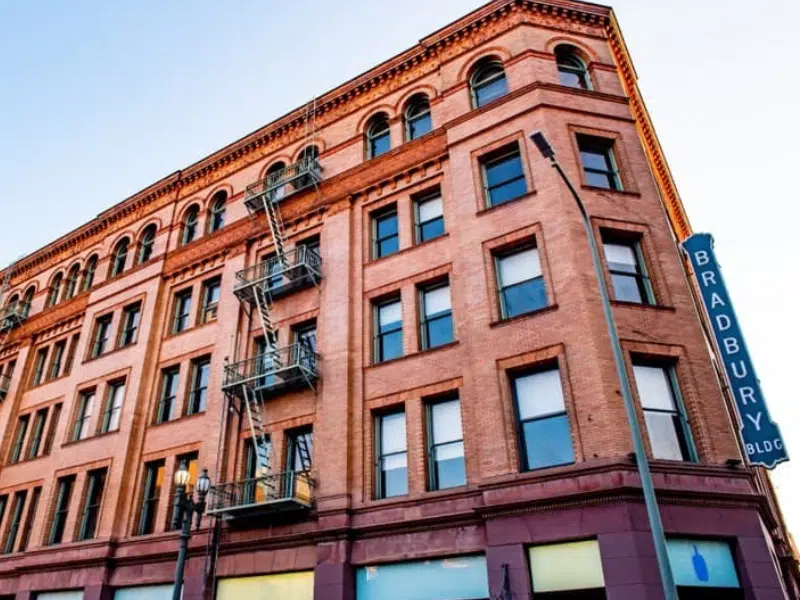
The Bradbury Building is part of Los Angeles scavenger hunt and walking tour!
Embark on an unforgettable journey through the enchanting city of Los Angeles with World City Trail. Our interactive walking tour combines the thrill of exploration with the rich history and culture of this beautiful city.
Key Features:
Interactive gameplay: Solve engaging puzzles and challenges as you explore the city.
Hidden gems: Uncover lesser-known spots.
Cultural insights: Learn about the city’s fascinating history.
Flexibility: Explore at your own pace and create your own itinerary.
Family friendly activity and a great way to explore the city!
Further reading on Wikipedia: Los Angeles