
Tucked away within the sprawling greenery of Valentino Park along the Po River, the Botanical Garden of Turin (Orto Botanico di Torino) is a serene oasis where centuries of scientific history and horticultural beauty converge. This living museum, an integral part of the University of Turin, offers a fascinating journey through the world of plants. Far more than just a public park, it is a vital center for research, conservation, and education, making it a must-see for nature lovers, scholars, and anyone seeking a peaceful escape from the bustling city.
A Royal and Scientific Legacy
The history of the Botanical Garden of Turin dates back to 1729, when it was established by King Victor Amadeus II. His vision was to create a “Royal Botanical Garden” to cultivate and study plants with medicinal properties, a vital pursuit during an era when medicine was intrinsically linked to botany. This foundation cemented its role as a key scientific institution, a legacy that continues today under the stewardship of the University of Turin’s Department of Life Sciences.
Over its nearly three-hundred-year history, the garden has evolved from a small medicinal herb collection into a comprehensive botanical resource. It has endured significant challenges, including damage from two world wars, but has been meticulously restored and expanded. Today, it stands as a testament to scientific resilience and the enduring human passion for understanding the natural world.
A World of Plants in One Place
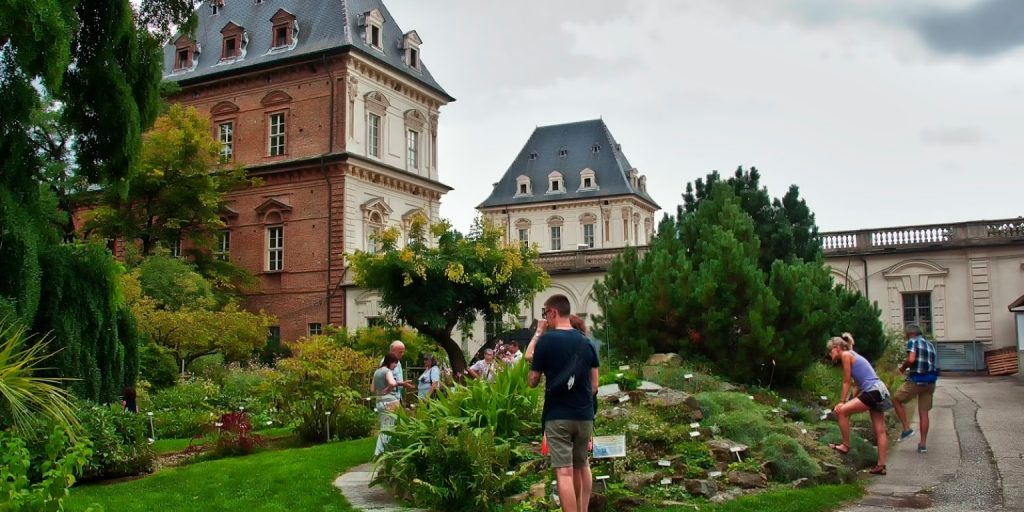
Spanning over 2.6 hectares, the Botanical Garden of Turin is a masterfully organized space that showcases an impressive diversity of flora. Its collections, totaling over 4,000 species, are arranged into various thematic sections, each offering a unique experience.
At the heart of the garden is the systematic collection, where plants are arranged by botanical family, serving as a living textbook for students and visitors. For those captivated by extreme climates, the garden’s numerous greenhouses are a highlight. The Tropical Greenhouse, for instance, houses a stunning collection of plants from hot and humid climates, while the Succulent Greenhouse is a spiny sanctuary of cacti and desert flora from around the world. A more recent addition is the South African Greenhouse, which is home to a vibrant array of plants from the fynbos and other unique African ecosystems.
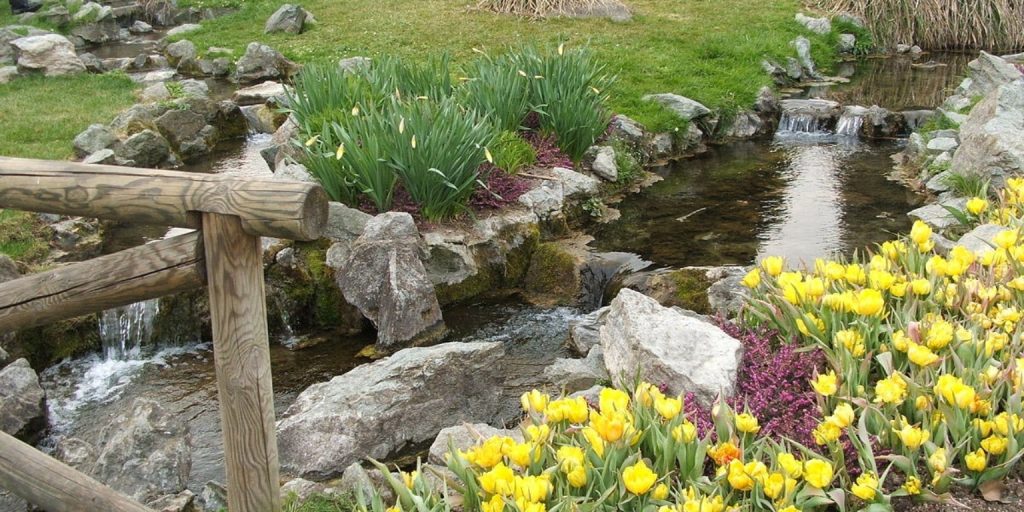
One of the garden’s most cherished features is its alpine garden, a small-scale replica of the mountainous environment of the Alps. This section is a testament to the garden’s focus on regional botany, with a variety of rock plants that thrive in high-altitude conditions. Additionally, the grove (boschetto), the oldest part of the garden, is home to majestic, centuries-old trees that provide a serene and shaded retreat.
A Quiet Urban Retreat
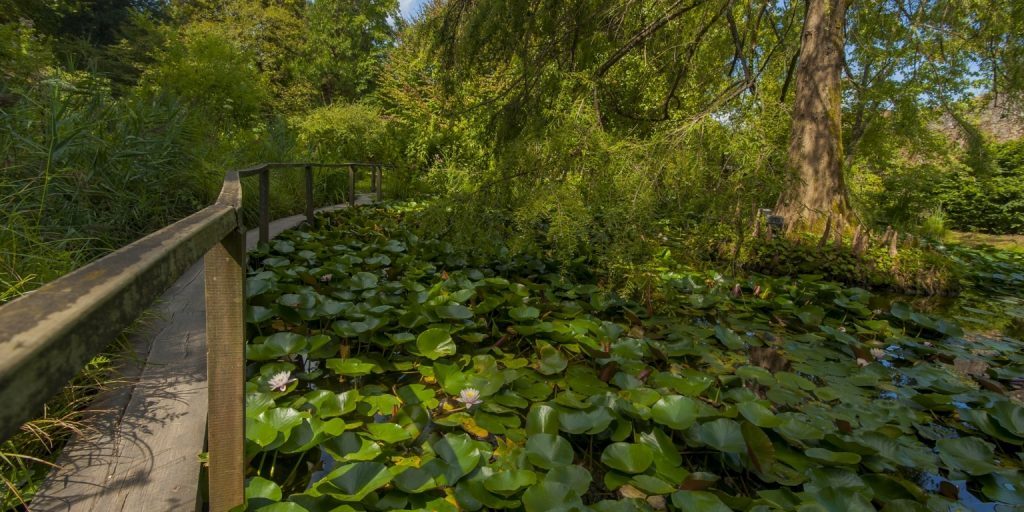
Beyond its scientific importance, the Botanical Garden of Turin is a cherished green sanctuary for the public. Located in the popular Valentino Park, it provides a tranquil, walled-off escape from the urban hustle. The atmosphere is one of peaceful contemplation, with winding paths, serene ponds, and charming benches where visitors can sit and appreciate the beauty of their surroundings.
The garden is generally open to the public during the spring and summer months. An admission fee is required, which often includes the option of a guided tour on weekends, providing an enriching experience with expert insights into the garden’s collections and history. A visit here is not just a walk through a garden; it is an educational and restorative experience. The Botanical Garden of Turin is a beautiful example of how nature and human knowledge can be harmoniously intertwined, creating a place that is as scientifically significant as it is breathtakingly beautiful.