What is the Brisbane self-guided walking tour?
The Brisbane self-guided walking tour is a walk through the city with a storyteller in your pocket: the World City Trail app plots the route, and at each stop its audio narration explains what you are looking at. Allow about 3 hours overall, of which 64 minutes are spent walking 4.4 km between 10 stops. The route crosses the river from South Bank into the city centre.
At the Brisbane Sign you learn why letters built for the 2014 G20 summit, meant to last a month, stayed for good. The Victoria Bridge Abutment keeps the arch and tram tracks of a bridge demolished in 1969. An eternal flame burns in Anzac Square's Shrine of Remembrance, and Walter Hill's bunya pines still stand in the City Botanic Gardens.
- Durationabout 3 hours
- Walkingabout 64 min · 4.4 km
- Stops10
- LanguagesEnglish, German, French, Chinese
Along the route
Narration at every stop
Each stop has a chapter of its own, with history, local legends and a few facts that surprise even residents, read aloud or shown as text.
Directions on screen
Google Maps links the stops one after another: 4.4 km and roughly 64 minutes of walking in total.
Your own timetable
No meeting point, no departure time, no group to keep up with. Leave the route for a coffee or a museum and return to it whenever you are ready.
Local tips included
Suggestions for cafés, restaurants and shops near the stops come with the walk, and the app lets you change where you start and the order you go in.
See the route and attractions →
How it works
- Book online Choose the number of people. Your booking reference arrives by email straight away.
- Get the app Download the World City Trail app from the App Store or Google Play and enter your booking reference.
- Walk when you like Start whenever you are ready, walk at your own pace and pause any time. No guide, no fixed schedule.
Who will enjoy this walk
New to Brisbane
In a few hours the main sights of the centre fall into place, each with its story attached.
Not a fan of tour groups
Nobody to follow and nobody to wait for: you linger where you are interested and move on where you are not.
Short on time
About 3 hours covers the centre and leaves the rest of the day free.
Good to know
- Bring a charged smartphone with mobile data; a power bank helps.
- No entry tickets needed: everything happens outside the buildings. Going inside is optional and paid separately.
- Family friendly; children must be accompanied by an adult.
- Not suitable for wheelchair users and difficult with strollers.
- Groups of up to 5 work best; larger groups split up, one ticket per person.
- Every purchase helps support stray cats and dogs in Greece.
From South Bank to the Botanic Gardens
10 stops · about 64 min walking · start: The Wheel of Brisbane · finish: City Botanic Gardens
Your first stop is the Wheel of Brisbane on South Bank; from there the route takes in the Brisbane Sign and the Victoria Bridge Abutment before heading into the city to Brisbane City Hall. Anzac Square and Memorial Gallery comes next, then St John's Cathedral on Ann Street and the Cathedral of St Stephen on Elizabeth Street. Queens Gardens and Queensland Parliament lead to the finish in the City Botanic Gardens. The app can change the opening stop, and no stop needs a ticket.
Open the route map ↗
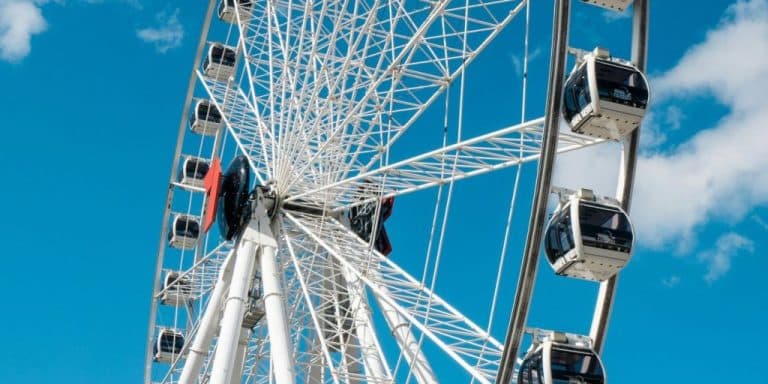
1The Wheel of BrisbaneStart
This Ferris wheel at the northern entrance to South Bank Parklands opened in August 2008. At almost 60 metres tall, it lifts you above the Brisbane River in one of its 42 air-conditioned gondolas.
2Brisbane Sign
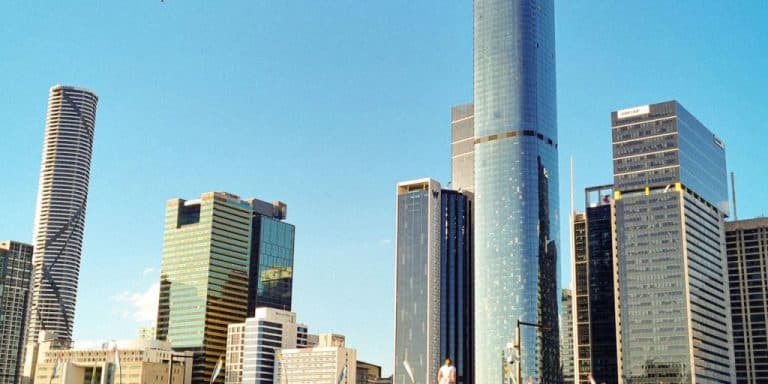
The giant letters on the South Bank lawn were built by local volunteers for the G20 Leaders' Summit in 2014 and were meant to stay for only one month. They became a permanent landmark, and a sturdier replica later replaced the first version, so visitors can still pose beside them with the skyline behind.
3Victoria Bridge Abutment
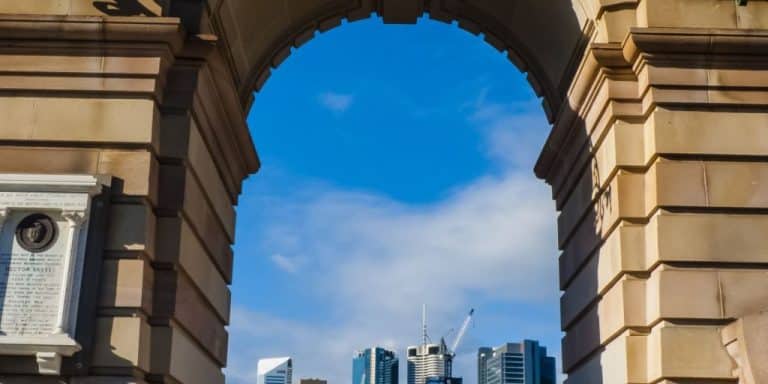
This stone podium on the south bank is what remains of the fourth Victoria Bridge, designed by Queensland's government architect and opened to traffic in 1897. The bridge was demolished in 1969, but its stone arch, tram tracks and gas-lamp brackets survive, and the site is on the Queensland Heritage Register.
4Brisbane City Hall
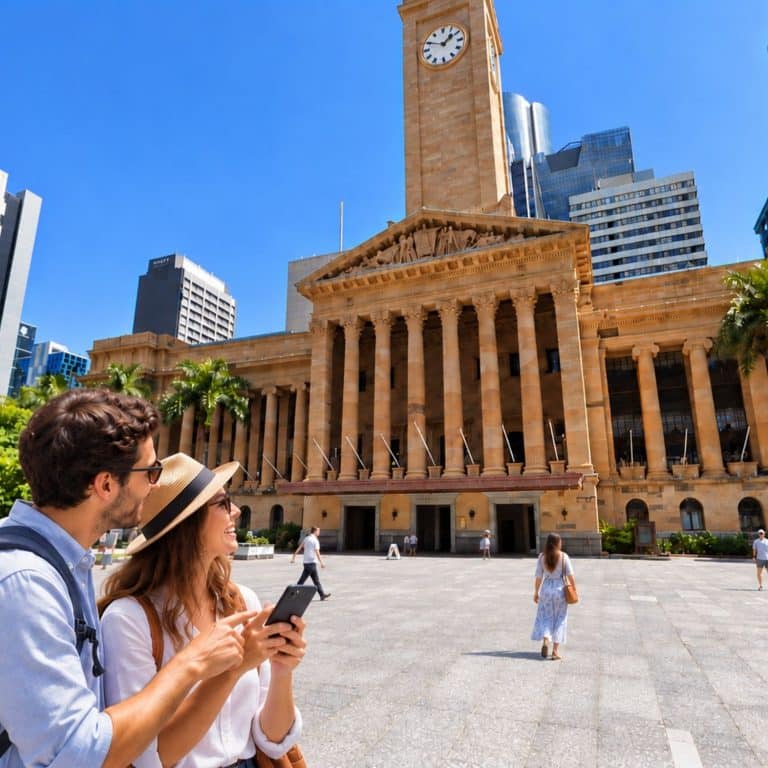
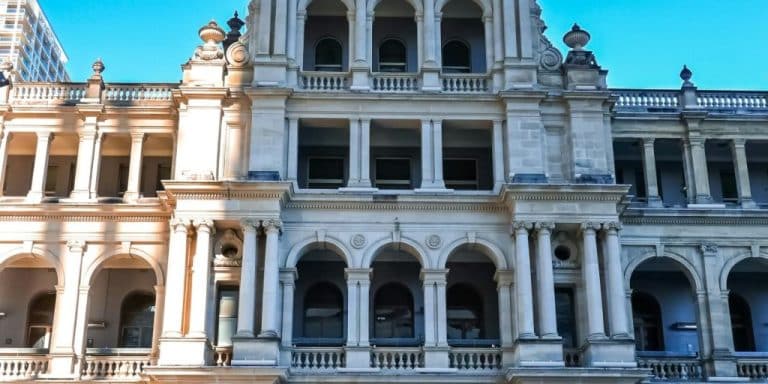
Brisbane City Hall opened in 1930 after building work that began in the 1920s, and its clock tower rises 91 metres above the street. The architects Hall and Prentice designed it in Helidon sandstone, and the sculptor Daphne Mayo carved the pediment showing the settlement of Queensland. Today the building also houses the Museum of Brisbane.
5Anzac Square and Memorial Gallery
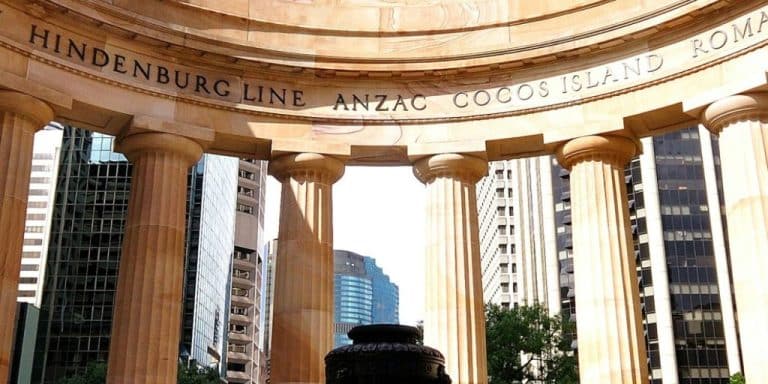
Anzac Square was dedicated in 1930 together with the Shrine of Remembrance, a circular colonnade of 18 Doric columns in Helidon sandstone. Inside the Shrine an eternal flame burns in a bronze urn, and the bottle trees in the square commemorate the Queensland Light Horse regiments of the Boer War.
6St John's Cathedral
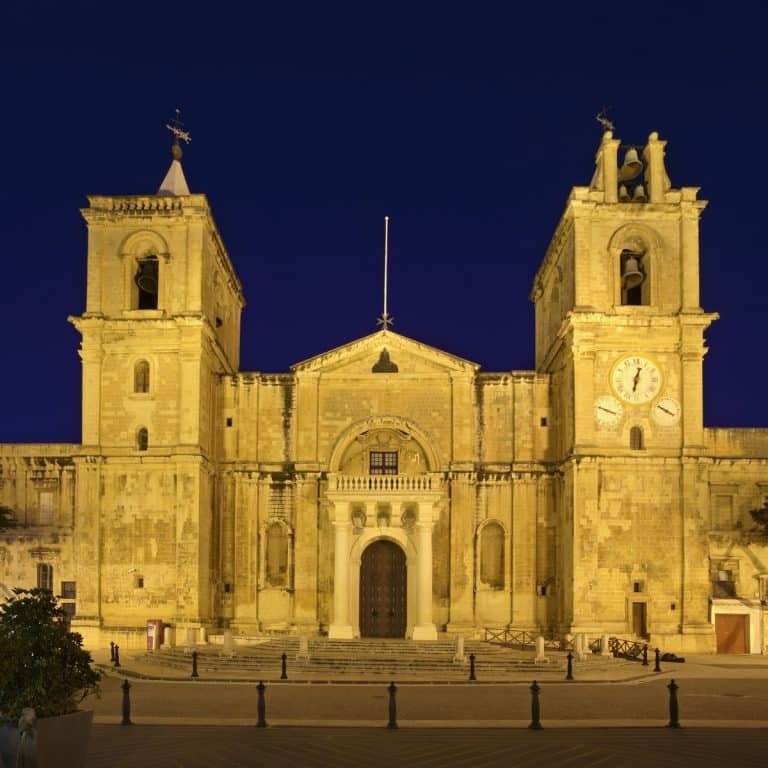
This Anglican cathedral on Ann Street was designed by John Loughborough Pearson, and its foundation stone was laid in 1901 by the Duke of Cornwall and York, later King George V. The building was completed in stages, and the finished cathedral was reconsecrated in 2009.
7Cathedral of St Stephen
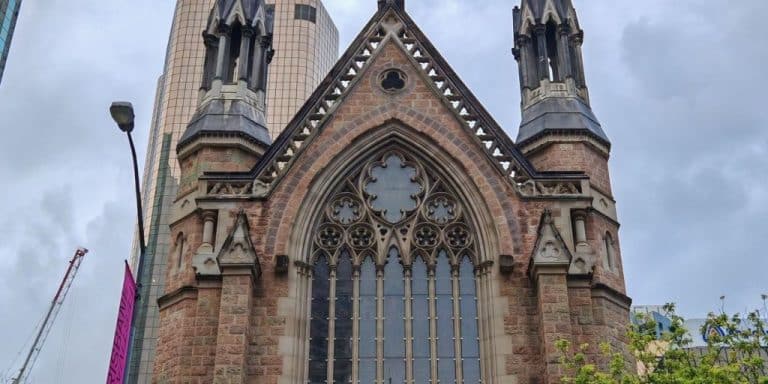
This Roman Catholic cathedral on Elizabeth Street was built in Gothic Revival style, with its nave finished in 1874 and its spires in 1884. Beside it stands the older Old St Stephen's chapel, where the first Mass was said in 1850 and which became a cathedral in 1859.
8Queens Gardens
Queens Gardens lie between George, Elizabeth and William Streets in the city centre, and have taken their present form since 1963. The Queen Victoria statue by the English sculptor Thomas Brock was unveiled in 1906, and the gardens also hold a statue honouring Premier T J Ryan and a German field gun from the First World War, handed over as a trophy in 1917.
9Queensland Parliament
Parliament House stands on the corner of George and Alice Streets at Gardens Point, beside the City Botanic Gardens. Built from 1865 to 1867 to designs by the colonial architect Charles Tiffin, it has a French Renaissance Revival facade, and its roof was re-covered in copper from Mount Isa in the 1980s.
10City Botanic GardensFinish
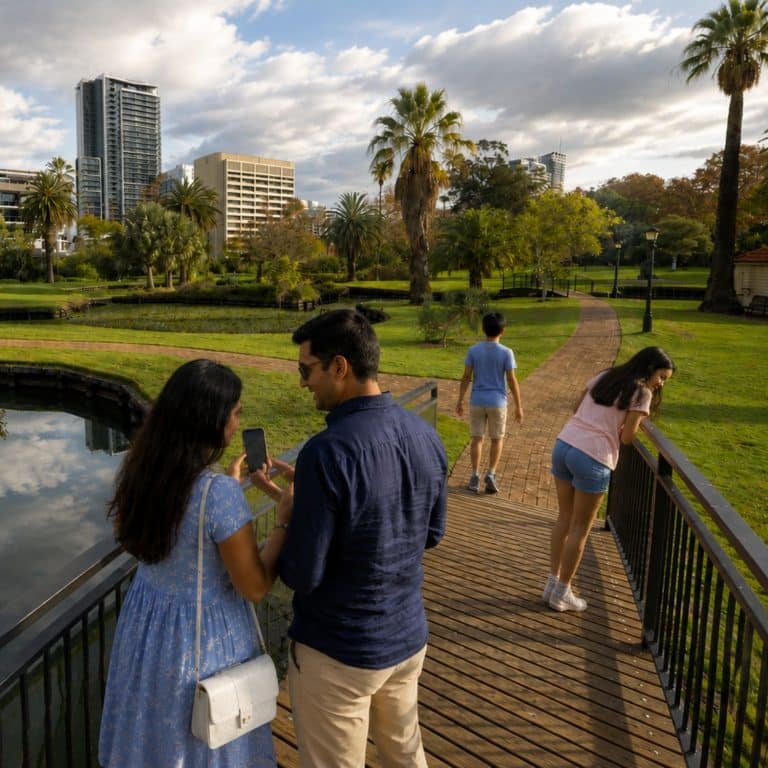
The 18-hectare gardens on the river were declared a botanic reserve in 1855, with Walter Hill as their first curator. Under him they grew from an original block of six acres to nearly 28, and the bunya pines and fig trees he planted still stand today.
Only logged in customers who have purchased this product may leave a review.







Reviews
There are no reviews yet.