
Table of Contents
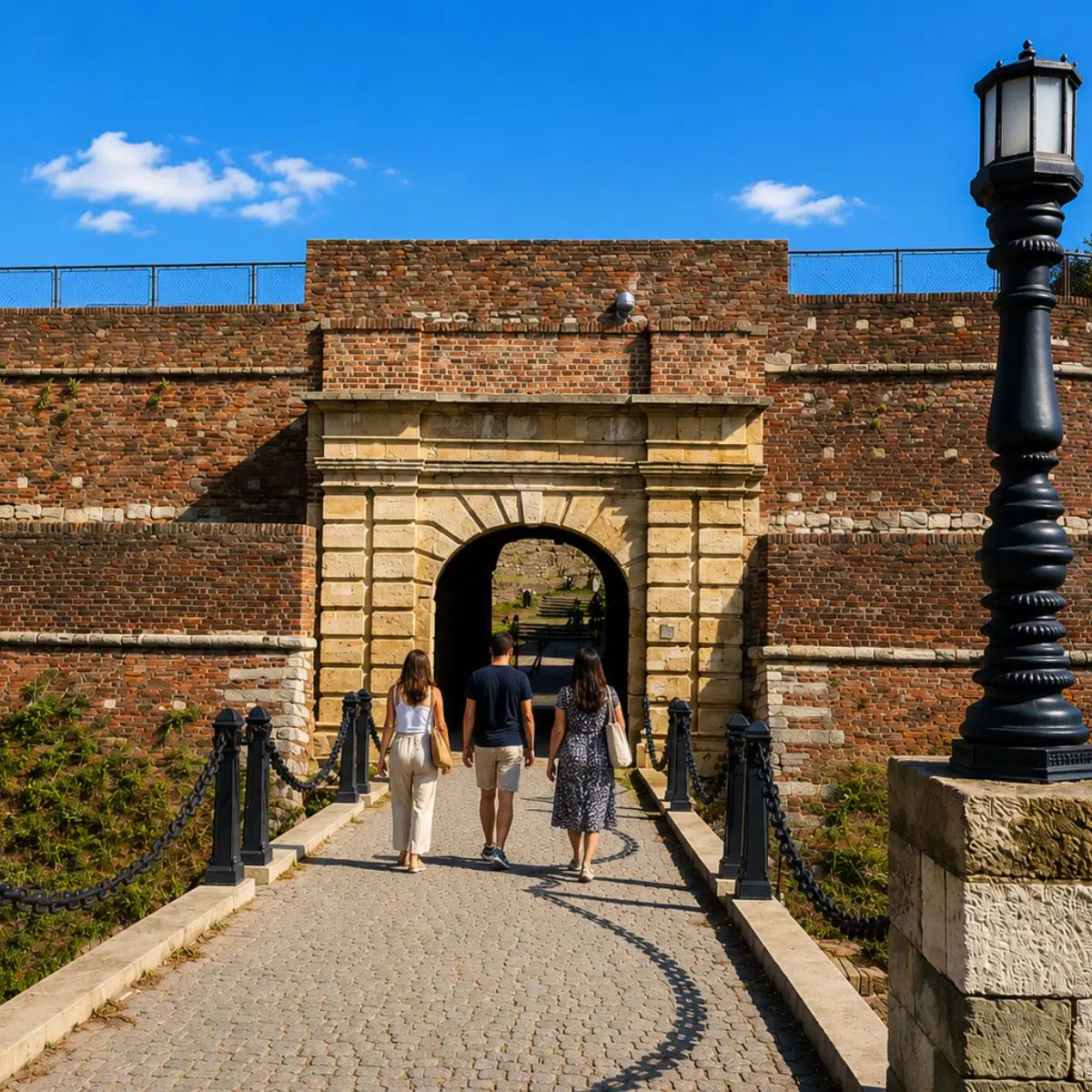
The Royal Gate (Kraljska kapija) stands as a testament to Belgrade’s rich history and strategic importance. This imposing gateway, located within the Kalemegdan Fortress, offers visitors a glimpse into the city’s past as a fortified frontier town.
A Historical Overview
The Kalemegdan Fortress, where the Royal Gate is located, has a long and complex history. Its origins can be traced back to the Roman era, when it served as a military encampment known as Singidunum. Over the centuries, the fortress has been occupied by various empires and kingdoms, including the Byzantine Empire, the Ottoman Empire, and the Habsburg Empire.
The Royal Gate is a relatively recent addition to the fortress complex, dating back to the late 17th century. It was constructed during the Austrian occupation of Belgrade (1717-1739) and was designed to strengthen the city’s defenses. The gate’s Baroque architecture, with its ornate details and symmetrical design, reflects the influence of the Habsburg Empire.
Before the construction of the Royal Gate, the primary entrance to the fortress was through the Stambol Gate, which faced the Ottoman Empire. The Royal Gate, on the other hand, faced the west, towards the Habsburg territories. This shift in orientation reflects the changing geopolitical landscape of the region and the increasing influence of Western powers.
A Gateway to the Past
The Royal Gate is not just a historical artifact; it is a gateway to the past. As visitors pass through the imposing archway, they are transported back in time to a period of great upheaval and transformation. The fortress walls, which once protected the city from invaders, now stand as silent witnesses to centuries of history.
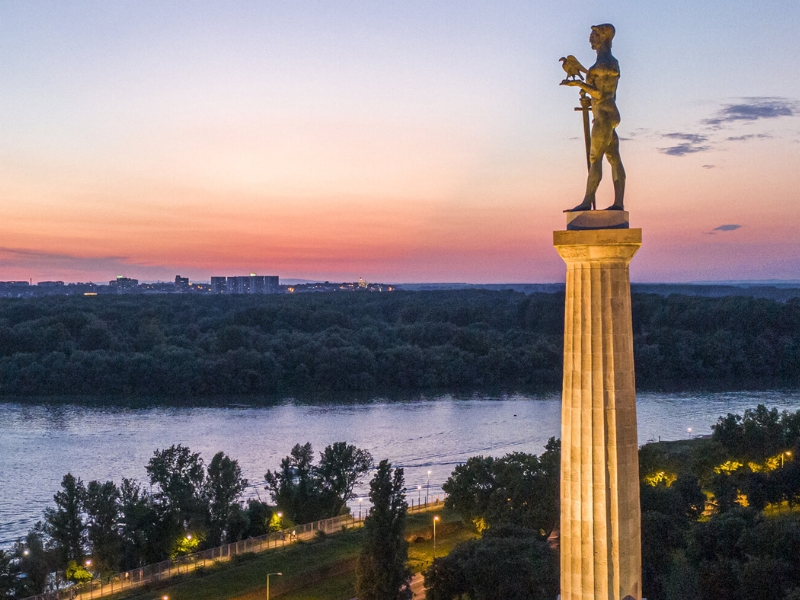
The gate’s strategic location offers stunning panoramic views of the confluence of the Danube and Sava rivers. From the ramparts, visitors can admire the city’s skyline, including iconic landmarks such as the St. Sava Temple and the Belgrade Fortress.
The Royal Gate Today
Today, the Royal Gate is a popular tourist attraction, drawing visitors from around the world. The fortress complex, including the Royal Gate, is a UNESCO World Heritage Site, recognizing its cultural and historical significance.
Visitors can explore the gate’s interior, admire its intricate architectural details, and learn about the history of the fortress. The surrounding area offers numerous opportunities for sightseeing, dining, and shopping.
Tips for Visiting
- Best Time to Visit: The best time to visit the Royal Gate is during the spring and autumn months when the weather is mild.
- Guided Tours: Consider taking a guided tour of the Belgrade Fortress to learn more about the history and significance of the Royal Gate.
- Photography: The gate and the surrounding fortress offer many photo opportunities.
- Nearby Attractions: Explore the nearby attractions, such as the National Museum of Serbia, the St. Sava Temple, and the bohemian quarter of Skadarlija.
By visiting the Royal Gate, you can step back in time and experience the rich history of Belgrade. It is a must-visit destination for anyone interested in exploring the city’s cultural heritage.
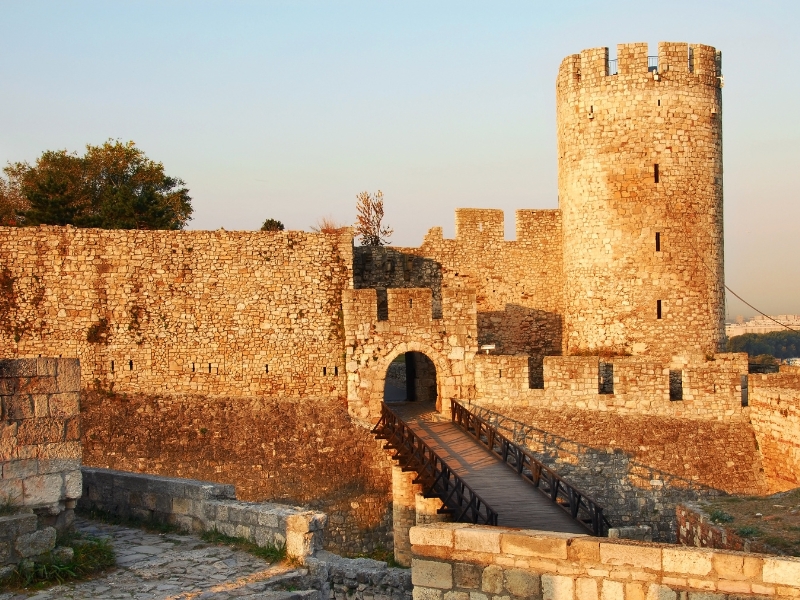
The Royal Gate is part of Belgrade scavenger hunt and walking tour!
Embark on an unforgettable journey through the enchanting city of Belgrade with World City Trail. Our interactive walking tour combines the thrill of exploration with the rich history and culture of this beautiful city.
Key Features:
Interactive gameplay: Solve engaging puzzles and challenges as you explore the city.
Hidden gems: Uncover lesser-known spots.
Cultural insights: Learn about the city’s fascinating history.
Flexibility: Explore at your own pace and create your own itinerary.
Family friendly activity and a great way to explore the city!
Further reading on Wikipedia: Belgrade