
Table of Contents
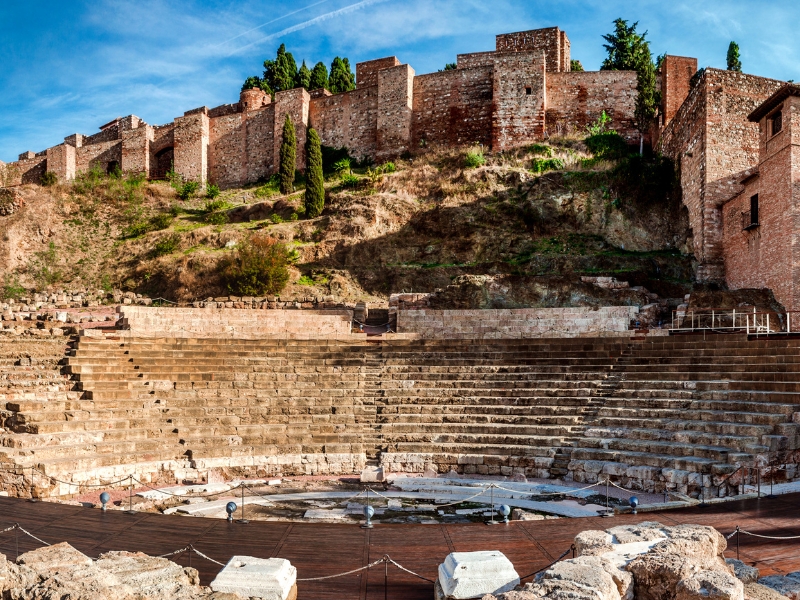
The Teatro Romano de Málaga (Roman Theatre of Málaga) is one of the city’s most treasured historical landmarks, offering visitors a glimpse into the grandeur of ancient Roman culture. Nestled at the foot of the Alcazaba fortress in the heart of Málaga, this well-preserved theater stands as a testament to the city’s rich heritage and enduring connection to its past.
A Brief History
The Teatro Romano de Málaga dates back to the 1st century BCE, during the reign of Emperor Augustus, when it was built as part of Rome’s efforts to expand its cultural and architectural influence in Hispania. Serving as a hub for entertainment and social gatherings, the theater was used for performances, political events, and community celebrations.
Abandoned during the 3rd century CE, the theater fell into disuse, and over the centuries, it became buried under layers of sediment and later structures. Remarkably, it wasn’t rediscovered until 1951, during construction work near the Alcazaba, sparking a renewed appreciation for Málaga’s Roman heritage.
Architectural Highlights
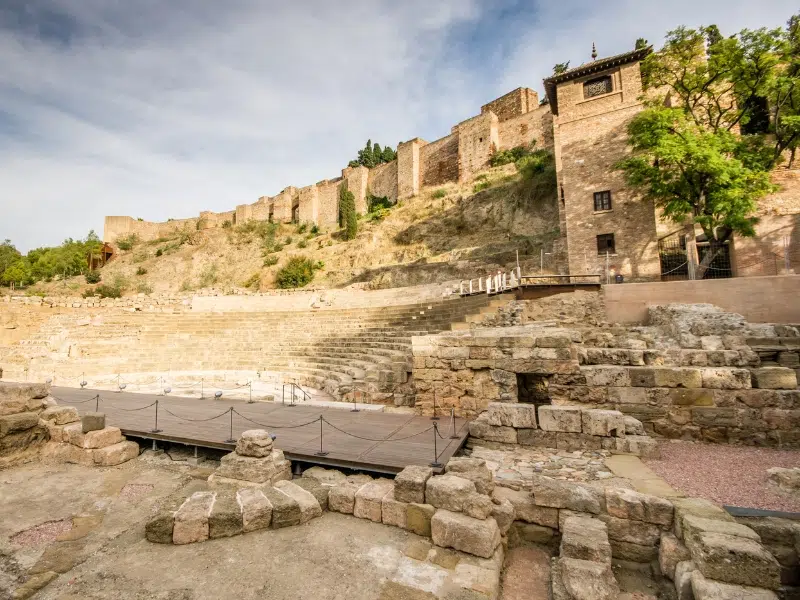
The Teatro Romano de Málaga showcases the ingenuity and elegance of Roman engineering. Its semicircular design is characteristic of Roman theaters, with seating areas, or cavea, arranged in concentric tiers to ensure optimal views for spectators. The theater could accommodate around 1,200 people, a testament to the size and importance of Málaga during the Roman era.
Key architectural features of the theater include:
- The Stage (Pulpitum): The rectangular stage area, where actors and performers once entertained audiences, was designed to maximize visibility and acoustics.
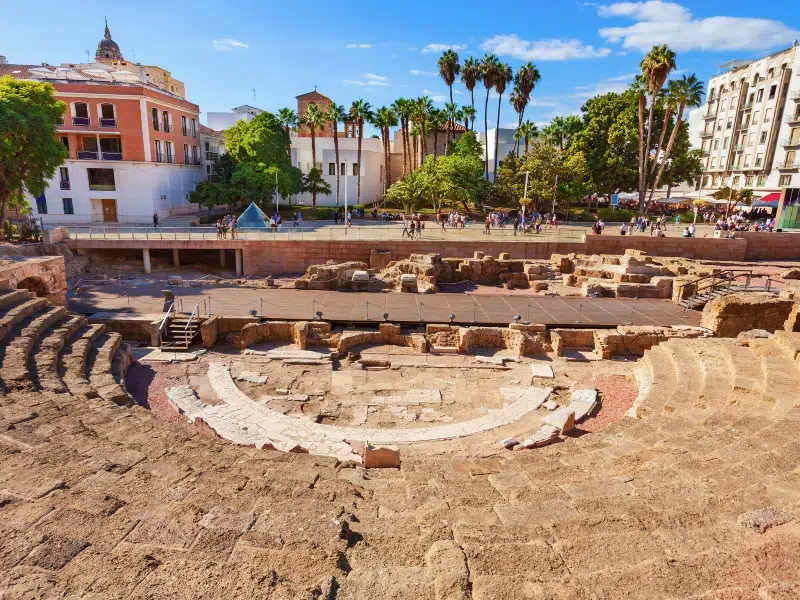
- The Orchestra: Located between the stage and the seating area, this semicircular space was reserved for musicians and dignitaries.
- The Cavea: The seating area is divided into three sections, reflecting the social hierarchy of the time. The lower levels were reserved for the elite, while the upper tiers were designated for the general populace.
- The Vomitoria: These arched passageways allowed the audience to enter and exit the theater efficiently, exemplifying Roman architectural planning.
A Modern Revival of Ancient Culture
Today, the Teatro Romano de Málaga serves as both a historical monument and a cultural venue. After extensive restoration work, it has been integrated into Málaga’s modern cityscape, offering a seamless blend of ancient and contemporary elements. The theater is open to visitors, who can explore its well-preserved features and learn about its history through informative displays.
The site also hosts occasional performances and cultural events, bringing the spirit of ancient Roman entertainment back to life. Watching a performance in this historic venue is an unforgettable experience, connecting modern audiences with the artistic traditions of the past.
A Timeless Connection to the Past
The Teatro Romano de Málaga is conveniently located in the city center, near other iconic attractions such as the Alcazaba of Málaga and the Cathedral of Málaga. Admission to the site is free, making it an accessible destination for all visitors.
Adjacent to the theater is the Centro de Interpretación del Teatro Romano, an interpretation center that provides in-depth information about the site’s history, architecture, and cultural significance. Through interactive exhibits, artifacts, and multimedia presentations, visitors gain a deeper understanding of the Roman era in Málaga.
The Teatro Romano de Málaga is more than just an archaeological site—it is a living connection to the city’s Roman heritage and a symbol of Málaga’s enduring cultural significance. Its remarkable preservation and integration into the modern cityscape offer a unique opportunity to experience ancient history in the heart of a bustling urban environment.
Teatro Romano de Málaga is part of Malaga scavenger hunt and walking tour!
Embark on an unforgettable journey through the enchanting city of Malaga with World City Trail. Our interactive walking tour combines the thrill of exploration with the rich history and culture of this beautiful city.
Key Features:
Interactive gameplay: Solve engaging puzzles and challenges as you explore the city.
Hidden gems: Uncover lesser-known spots.
Cultural insights: Learn about the city’s fascinating history.
Flexibility: Explore at your own pace and create your own itinerary.
Family friendly activity and a great way to explore the city!
Further reading on Wikipedia: Málaga