
Table of Contents
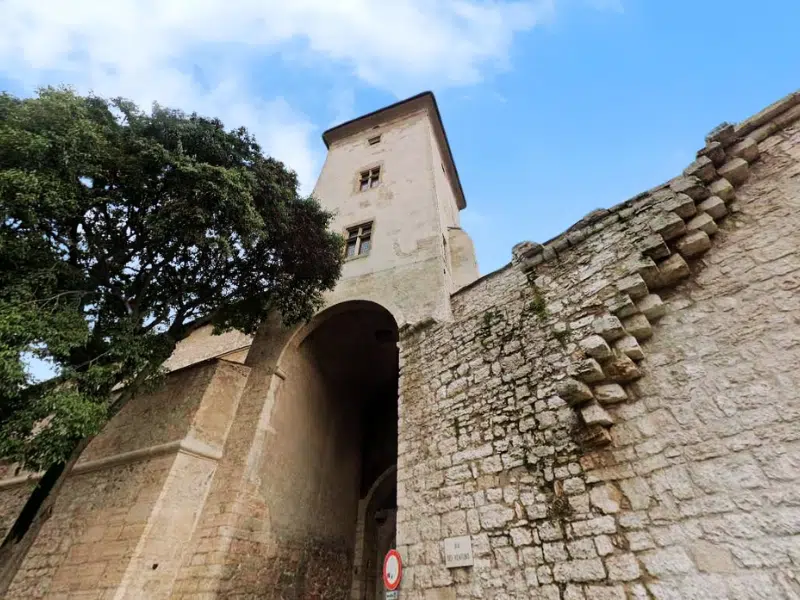
Port Aquila, or Eagle Gate, in Trento, Italy, stands as one of the most important historical and architectural landmarks of the city. This impressive gate is not just a functional entryway but a significant cultural and historical marker, showcasing Trento’s medieval fortifications and its rich, complex past. As a tangible connection to the city’s strategic importance within the Holy Roman Empire, Port Aquila is a place where history and architecture merge, offering visitors an invaluable glimpse into Trento’s medieval defense system and urban development.
Origins and Strategic Importance
The origins of Port Aquila trace back to the 13th century, a time when Trento was a key city in the Holy Roman Empire and a crucial point along the trade routes. The gate was part of the city’s extensive medieval walls, designed to protect and regulate access to the city. Located along a major thoroughfare, it acted as an important entrance and exit, ensuring the safety of the city while allowing for the flow of people and goods. Its construction employed local stone, and its design reflects the practical and defensive needs of the medieval era, marking it as an enduring symbol of the city’s strategic role in the region.
Medieval Architecture and Defensive Features
Architecturally, Port Aquila is a prime example of medieval fortification. The solid, imposing structure is designed to withstand sieges and attacks, with thick stone walls, arrow slits, and machicolations — openings in the upper walls through which defenders could drop projectiles or boiling liquids onto attackers.
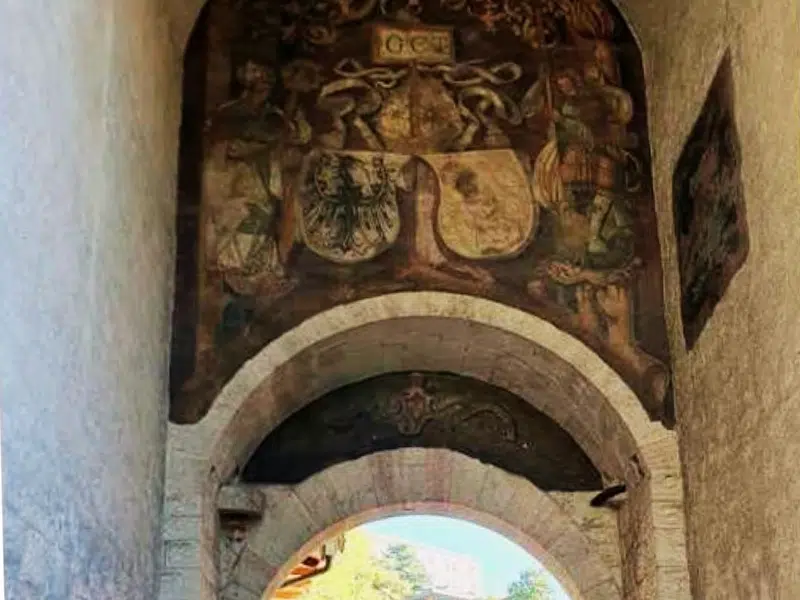
These defensive features evoke a sense of strength and resilience, highlighting the gate’s role in protecting the city. Above the gate, an eagle — a symbol of imperial power — is prominently displayed, reinforcing the historical and political significance of the structure. The gate’s design blends function with form, incorporating decorative elements that elevate its aesthetic and symbolize the artistry of the medieval builders.
Historical Significance
Beyond its architectural features, Port Aquila holds great historical significance. Over the centuries, it has witnessed pivotal moments in Trento’s long and complex history. From times of conflict, including medieval sieges, to periods of peace and prosperity, the gate has remained a constant in the city’s evolution.
Its enduring presence reflects Trento’s strategic military importance and its role as a center for trade and communication. Port Aquila has seen various changes over the centuries, with modifications and restorations that reflect shifting political and cultural contexts. Despite these alterations, the core structure and historical character of the gate have been preserved, allowing it to remain a prominent landmark.
The gate also plays an essential role in promoting Trento’s cultural heritage. It provides a tangible link to the city’s medieval past, offering valuable insights into its defensive strategies and urban layout. The open space surrounding the gate invites visitors to engage with Trento’s architectural history and enhances cultural awareness.
A Living Monument
Port Aquila’s enduring significance in Trento serves as a reminder of the city’s deep connection to its medieval past and its continuous evolution. As an architectural landmark, it reflects the interplay of historical styles, blending functionality with artistic expression. The gate embodies the spirit of Trento, where history, architecture, and cultural heritage come together. It remains a vital part of the city’s identity and an important symbol of its complex and multifaceted past.
In essence, Port Aquila is more than just an entrance to a city; it is a living, breathing monument to Trento’s medieval history. It stands as a testament to the city’s architectural evolution and its strategic importance, embodying the cultural and historical identity of Trento. It continues to be a focal point for historical exploration, architectural appreciation, and cultural enrichment, bridging the past and present with grace and significance.
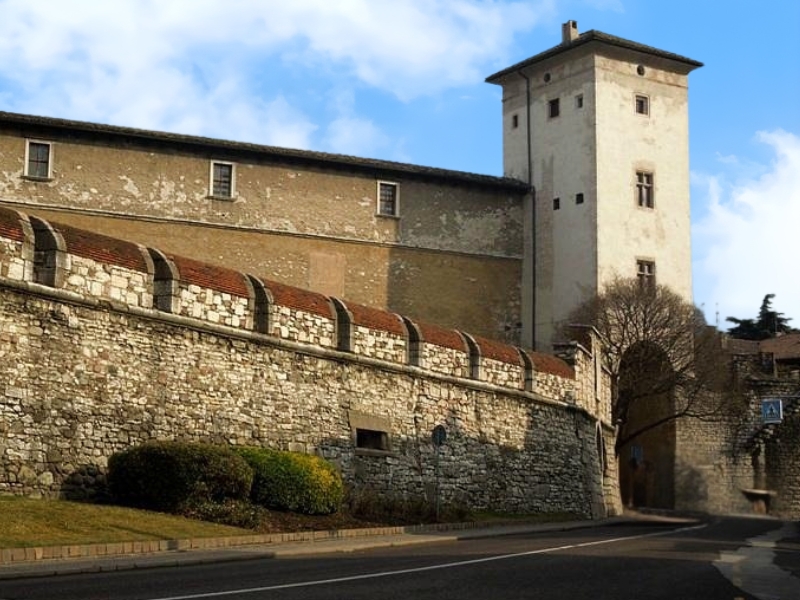
Port Aquila is part of Trento scavenger hunt and walking tour!
Embark on an unforgettable journey through the enchanting city of Trento with World City Trail. Our interactive walking tour combines the thrill of exploration with the rich history and culture of this beautiful city.
Key Features:
Interactive gameplay: Solve engaging puzzles and challenges as you explore the city.
Hidden gems: Uncover lesser-known spots.
Cultural insights: Learn about the city’s fascinating history.
Flexibility: Explore at your own pace and create your own itinerary.
Family friendly activity and a great way to explore the city!
Further reading on Wikipedia: Trento