
Table of Contents
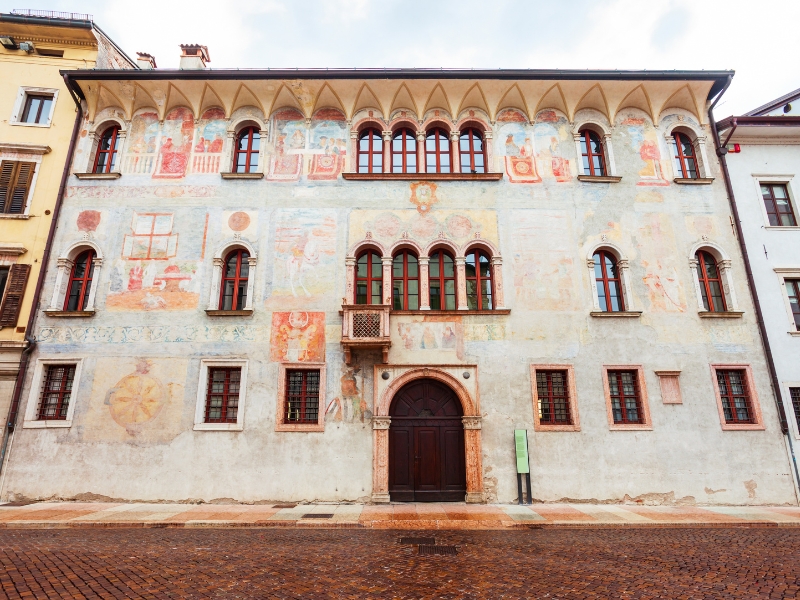
Palazzo Thun, a magnificent and historically significant palace nestled within the heart of Trento, Italy, stands as a profound testament to the city’s aristocratic past and its enduring connection to the influential Thun family. This grand palazzo, far more than a mere residence, serves as a vital cultural and historical landmark, reflecting Trento’s enduring connection to its noble heritage, its architectural evolution, and its role as a city steeped in power and tradition.
Origins and Historical Context
Palazzo Thun, a magnificent and historically significant palace in the heart of Trento, Italy, stands as a profound testament to the city’s aristocratic past and its enduring connection to the influential Thun family. This grand palazzo, far more than a mere residence, serves as a vital cultural and historical landmark, reflecting Trento’s noble heritage, its architectural evolution, and its role as a city steeped in power and tradition.
Palazzo Thun’s origins date back to the 16th century, when the noble Thun family—one of the most prominent in the region—commissioned its construction. Over the centuries, various additions and renovations have shaped its current form, mirroring the family’s changing fortunes and stylistic preferences. Strategically placed within Trento’s historic center, the palace symbolizes aristocratic power and influence, making it an essential part of the city’s urban landscape.
Architectural Design and Features
Palazzo Thun is an outstanding example of Renaissance and Baroque architecture, characterized by its elegant facade, harmonious proportions, and richly decorated interiors. Its imposing exterior, adorned with ornate details and stately walls, conveys a sense of grandeur and authority, befitting its noble origins.
The interior of the palace is equally remarkable. Grand staircases, frescoed halls, and intricate courtyards showcase the artistic patronage and refined taste of the Thun family. The frescoed ceilings, ornate fireplaces, and period furnishings transport visitors to a time of aristocratic splendor. Each room, furnished with historical artifacts and artworks, offers a glimpse into the lives of Trentino nobility and the broader cultural context of their era.
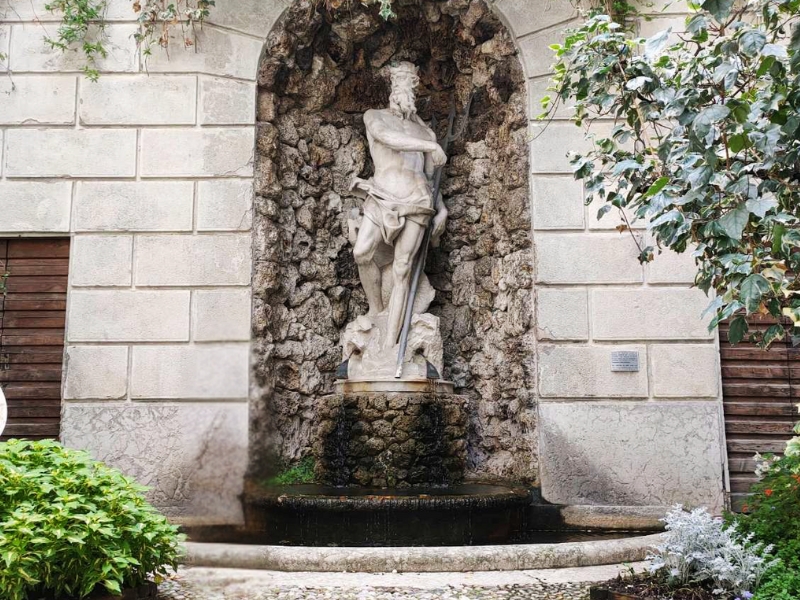
The Statua del Nettuno
One of the most fascinating artifacts housed within Palazzo Thun is the original Statua del Nettuno (Statue of Neptune), an important historical and artistic relic. This 18th-century marble statue was originally part of the Fontana del Nettuno in Piazza Duomo, one of Trento’s most iconic landmarks. Created by sculptor Stefano Salterio, the statue depicts Neptune, the Roman god of the sea, holding a trident—a symbol of power and dominion over water.
Due to exposure to the elements, the original Statua del Nettuno was removed from Piazza Duomo in 1945 to preserve its delicate craftsmanship. It now resides within Palazzo Thun, where it remains an important artistic and cultural treasure, protected from further deterioration. Meanwhile, a faithful replica of the statue continues to adorn Fontana del Nettuno, ensuring that the symbolic figure remains a visible part of Trento’s urban identity.
The presence of the original Statua del Nettuno within Palazzo Thun adds another layer of historical depth to the palace, making it not only a center of governance but also a key site for preserving Trento’s artistic heritage. Visitors to the palace can admire this masterpiece up close, appreciating its intricate details and the role it played in Trento’s civic and artistic history.
A Living Symbol
Palazzo Thun’s enduring presence is a testament to its historical and cultural significance. As a place where the past and present converge, it embodies the aristocratic heritage of Trento while continuing to serve as an important civic institution.
More than just a palace, Palazzo Thun is a living symbol of Trento’s identity—a place where history, governance, and cultural enrichment intertwine. Whether admired for its architectural beauty, its historical importance, or its civic role, the palace remains a cornerstone of Trento’s rich and multifaceted past.
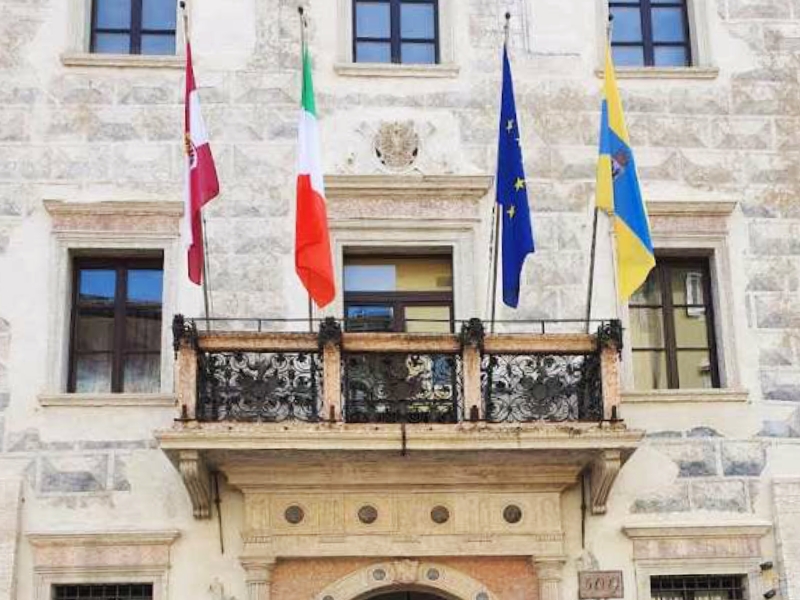
Palazzo Thun is part of Trento scavenger hunt and walking tour!
Embark on an unforgettable journey through the enchanting city of Trento with World City Trail. Our interactive walking tour combines the thrill of exploration with the rich history and culture of this beautiful city.
Key Features:
Interactive gameplay: Solve engaging puzzles and challenges as you explore the city.
Hidden gems: Uncover lesser-known spots.
Cultural insights: Learn about the city’s fascinating history.
Flexibility: Explore at your own pace and create your own itinerary.
Family friendly activity and a great way to explore the city!
Further reading on Wikipedia: Trento