
Table of Contents
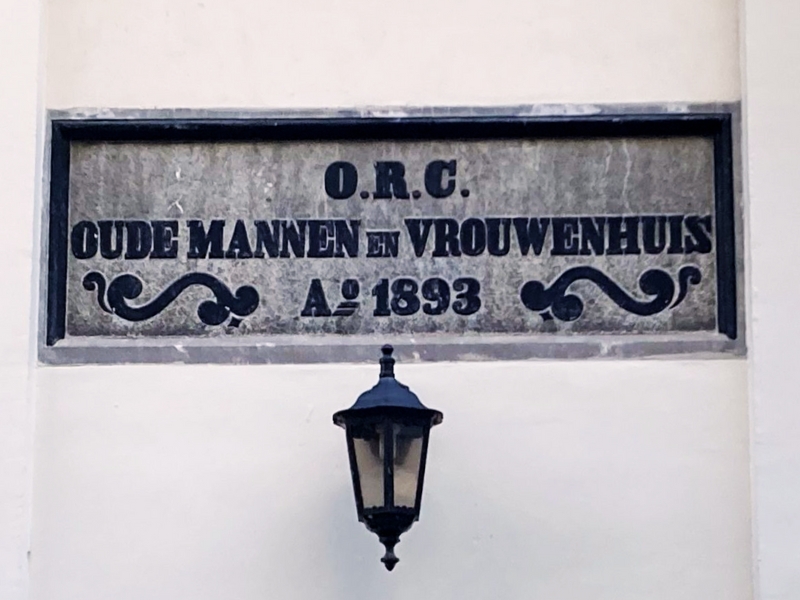
The Oude Mannen En Vrouwenhuis at Nieuwegracht 92 in Utrecht stands as a significant Rijksmonument, embodying centuries of social welfare, architectural evolution, and care for the elderly. More than just a historic structure, this building serves as a tangible link to Utrecht’s past, reflecting the development of charitable institutions, changing social attitudes towards aging, and the broader evolution of municipal responsibility for social care throughout Dutch history.
Foundations of Elderly Care
The establishment of the Oude Mannen En Vrouwenhuis was rooted in a time when formalized social safety nets were scarce, and care for the elderly was often left to religious institutions, charitable foundations, or family members. For those without familial or financial support, institutions such as this one provided a vital lifeline, offering shelter, sustenance, and community.
Founded within the context of increasing urbanization and social stratification, the home was part of a larger trend in the Dutch Republic where wealthy benefactors and civic authorities sought to institutionalize care for vulnerable populations. The presence of such an establishment speaks to the moral values of its time—reflecting both a sense of duty towards the less fortunate and a broader attempt to regulate and organize public welfare. Over time, the shift from religious charity to state responsibility became more pronounced, mirroring broader European trends in social policy.
The Oude Mannen En Vrouwenhuis was not merely a shelter; it was a microcosm of Utrecht’s society, where individuals of different backgrounds lived together under a shared set of rules and routines. Residents formed a close-knit community, sharing meals, participating in daily rituals, and supporting one another. Archival records, if available, could shed light on the personal histories of its inhabitants, providing insight into their social backgrounds, interactions, and the challenges of aging in past centuries.
Architectural Evolution
The architectural journey of the Oude Mannen En Vrouwenhuis is a fascinating chronicle of Utrecht’s urban development. The building has undergone multiple transformations, each reflective of the changing aesthetic preferences, construction techniques, and practical needs of its time.
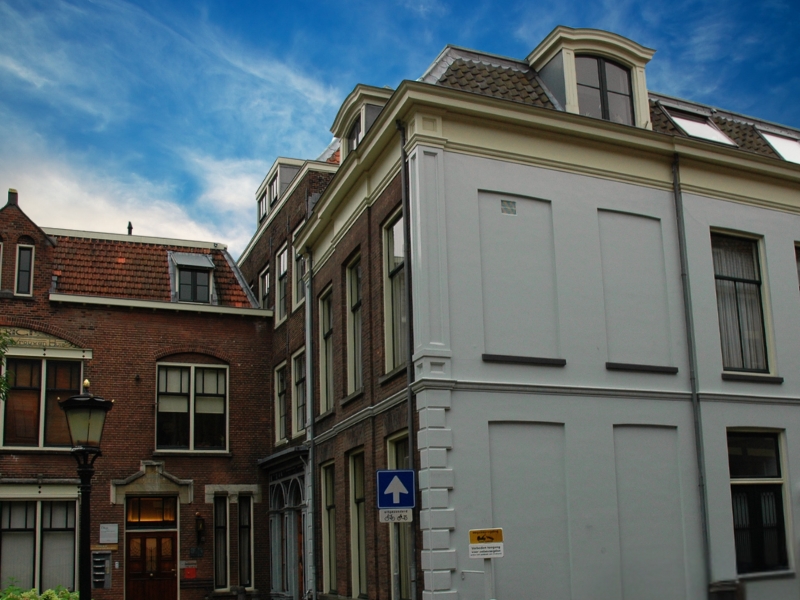
The façade showcases intricate brickwork, decorative moldings, and elegant window designs, elements that are not merely ornamental but also indicative of the craftsmanship and artistic values of their respective periods. The use of specific materials and architectural motifs may carry symbolic meanings, reinforcing the building’s original purpose as a place of care and refuge. The structure’s orientation towards both street and canal speaks to historical urban planning practices, where accessibility and waterway proximity played crucial roles in transportation and provisioning.
Inside, the Oude Mannen En Vrouwenhuis’s design accommodates both communal and private spaces, balancing the need for social interaction with individual privacy. The layout of rooms, the inclusion of large fireplaces for warmth, and the positioning of staircases all offer clues about how daily life was structured within its walls. Elements such as original woodwork, decorative plasterwork, and surviving furniture serve as tangible links to the past, offering a glimpse into the lived experiences of its residents. Each modification—whether an added wing, an updated heating system, or changes in room partitions—reflects efforts to modernize the facility while preserving its core function.
The Transition to Modern Times
As the 19th and 20th centuries ushered in new philosophies of social care and public health, institutions like the Oude Mannen En Vrouwenhuis faced significant transformations. The rise of state-sponsored elderly care and modern nursing homes gradually rendered many historical almshouses obsolete, leading to either repurposing or preservation efforts. The fate of Nieuwegracht 92 mirrors these broader developments, as shifts in government policy and societal attitudes towards aging prompted re-evaluations of such facilities.
For a time, the building may have continued serving its original purpose or found new life as a hospital, administrative office, or even private residence. Its continued preservation as a Rijksmonument ensures that its legacy is not forgotten, offering present and future generations the opportunity to engage with a physical manifestation of centuries-old social care practices.
Oude Mannen En Vrouwenhuis is part of Utrecht scavenger hunt and walking tour!
Embark on an unforgettable journey through the enchanting city of Utrecht with World City Trail. Our interactive walking tour combines the thrill of exploration with the rich history and culture of this beautiful city.
Key Features:
Interactive gameplay: Solve engaging puzzles and challenges as you explore the city.
Hidden gems: Uncover lesser-known spots.
Cultural insights: Learn about the city’s fascinating history.
Flexibility: Explore at your own pace and create your own itinerary.
Family friendly activity and a great way to explore the city!
Further reading on Wikipedia: Utrecht