
In the sprawling Roman remains of modern-day Tarragona, a few sites stand out not for their size, but for their profound historical significance. The Colonial Forum of Tàrraco, known in Catalan as the Fòrum de la Colònia, was once the bustling administrative and civic center of the Roman city. While other Roman ruins in the city—like the circus and amphitheater—capture the spectacle of Roman life, the Colonial Forum offers a rare and intimate glimpse into its daily rhythm: the politics, the commerce, and the social interactions that defined a provincial capital.
The Hub of Local Life
Unlike the larger, more grandiose provincial forum that sat on the upper terraces of the city, the Colonial Forum of Tàrraco was the heart of the residential area. Located between the administrative center and the port, it was the place where ordinary citizens conducted their daily lives. Constructed in the late Republican era and developed under the reign of Emperor Augustus, this was the epicenter of local governance, a public market for goods and services, and a meeting place for the city’s magistrates and elite. It was a space where political debates, legal proceedings, and religious ceremonies all took place under the open Spanish sky.
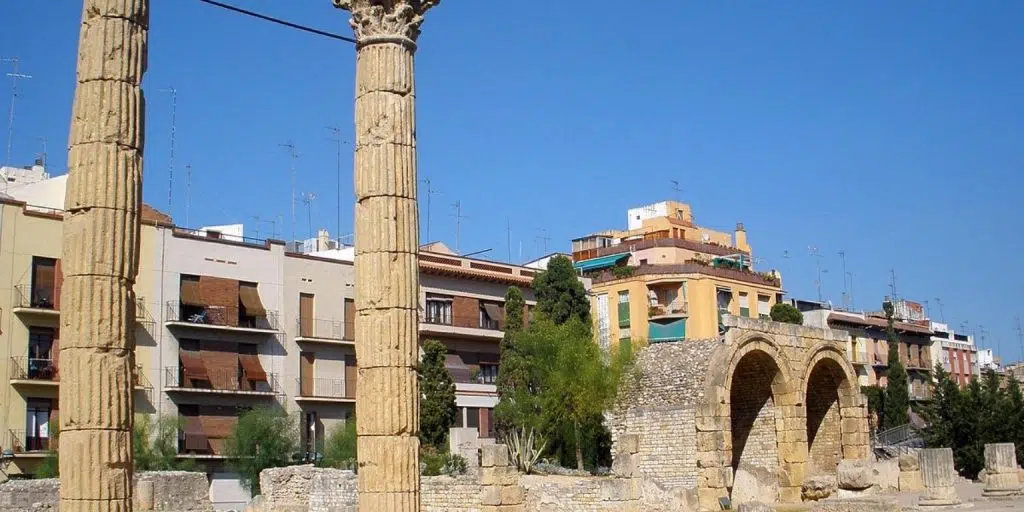
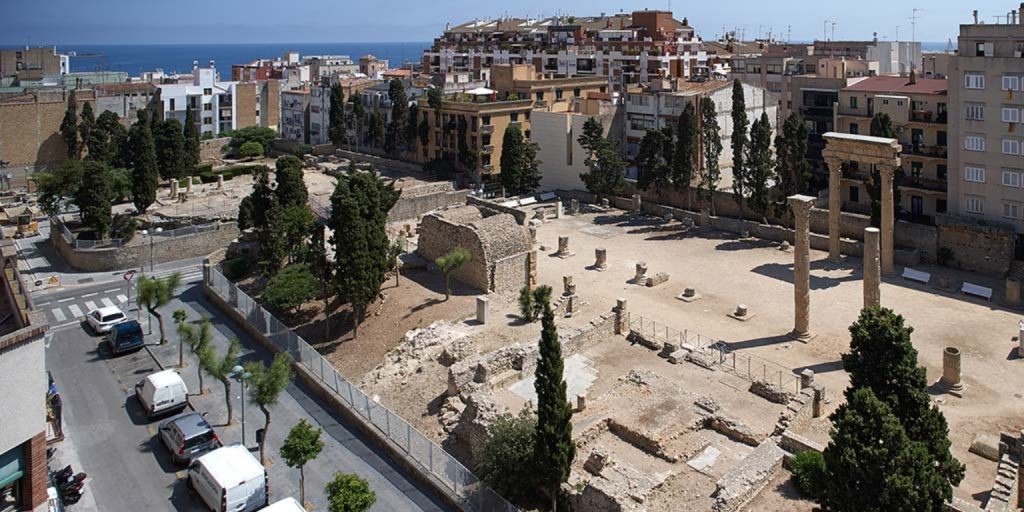
The remains visible today, part of the UNESCO World Heritage Site of Tarraco, offer a fascinating insight into its original layout. The forum was a complex of plazas and buildings, including a basilica, a curia (the council meeting hall), a temple dedicated to the Capitoline Triad (Jupiter, Juno, and Minerva), and numerous shops (tabernae). The ruins are a remarkable testament to Roman urban planning and public works, showing how a city was designed for the efficiency and comfort of its citizens.
Unearthing Layers of Time
A walk through the Colonial Forum of Tàrraco is a unique archaeological experience. The site is a perfect example of how the layers of history exist simultaneously. The ruins are located at a lower elevation than the surrounding modern streets, which were excavated in the 20th century, revealing the original ground level of the Roman city. Visitors can cross a modern bridge that connects the two main sections of the forum, allowing them to stand above and look down into the very heart of the ancient city.
Among the most impressive remains are those of the basilica, a grand covered hall that served as the center for justice and commerce. The bases of some of its towering Corinthian columns are still visible, offering a sense of the building’s monumental scale. Nearby are the foundations of the curia and other administrative buildings, where the decisions that shaped the lives of Tarraco’s residents were made. The presence of these buildings in the residential area highlights the close relationship between civic life and daily living in the Roman world.
A Living Part of a Modern City
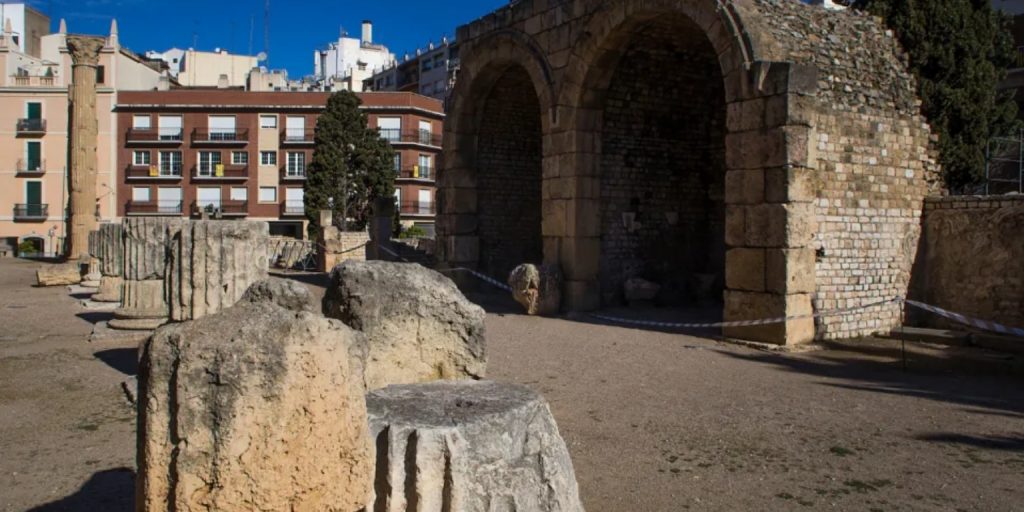
Today, the Colonial Forum of Tàrraco is not a silent, isolated ruin. It is seamlessly integrated into the fabric of modern Tarragona. The ancient stones stand in a quiet contrast to the bustling city life that surrounds them. This juxtaposition of past and present is a powerful reminder that history is not just something to be found in books, but a tangible part of the environment that shapes our lives.
Managed by the Tarragona Museum of History, the site is well-maintained and provides interpretive signs and optional voice narrations that help visitors understand its significance. For a small admission fee, you can walk among the ruins and imagine the senators, merchants, and citizens of ancient Rome going about their daily business. The Colonial Forum of Tàrraco is an essential destination for any history buff or traveler seeking a deeper understanding of Roman life. It’s a place where the echoes of a powerful empire are not just heard, but felt, reminding us of the enduring legacy of a city that once governed a vast province.