
Greek-Roman Theatre in Catania: An Underground River on Stage
Catania’s Greek-Roman Theatre: lava seats for 7,000, an orchestra flooded by an underground spring, the Odeon and houses in the ruins. Checked October 2026.
Catania’s Greek-Roman Theatre: lava seats for 7,000, an orchestra flooded by an underground spring, the Odeon and houses in the ruins. Checked October 2026.
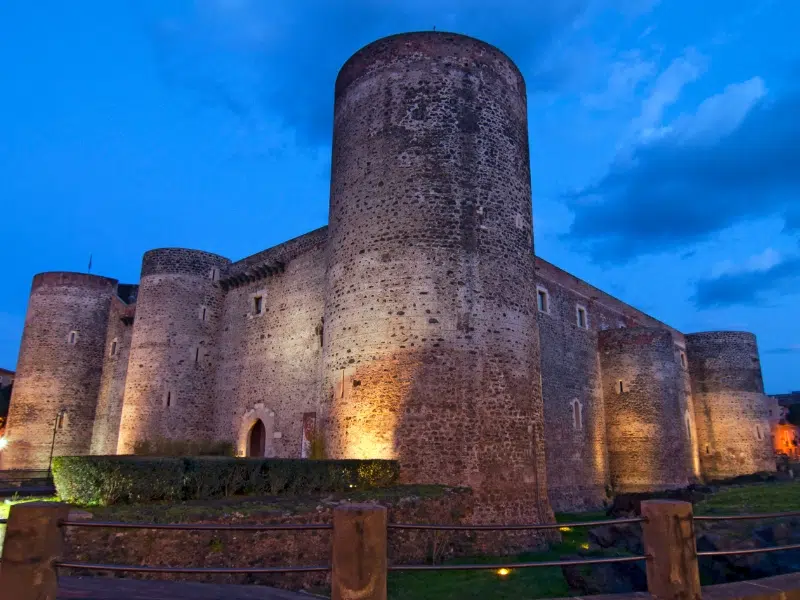
Ursino Castle, a formidable medieval fortress standing as a silent sentinel in the heart of Catania, is far more than

Porta Uzeda in Catania: the 1695 lava-and-marble gate built after the great earthquake, with a walkway and views to Etna and the sea. Checked October 2026.
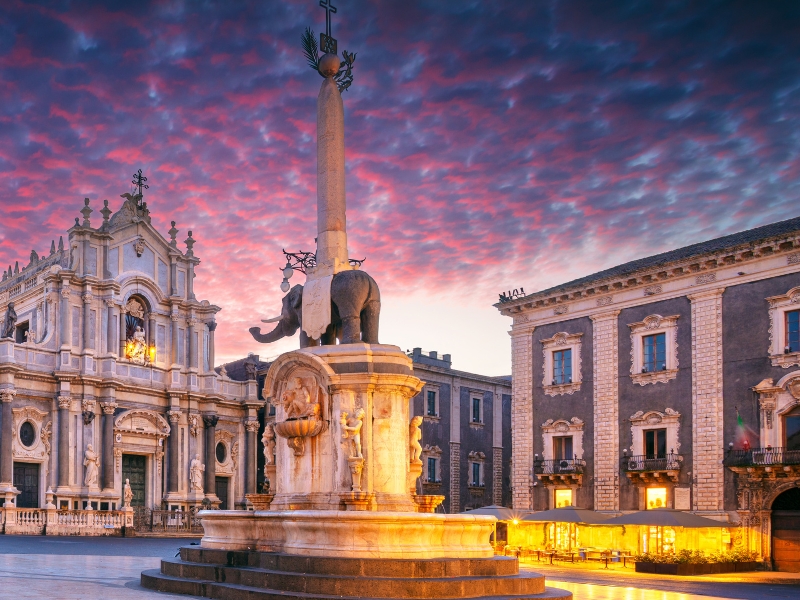
Catania’s Elephant Fountain: u Liotru, the ancient lava-stone elephant, Vaccarini’s 1730s fountain, the obelisk and the Heliodorus legend. Checked October 2026.

The Basilica Cattedrale di Sant’Agata, Catania’s majestic cathedral, stands as a testament to both divine devotion and architectural mastery. It’s

Teatro Massimo Bellini in Catania: opened in 1890 with Norma, Bellandi’s ceiling of Bellini’s operas, Sciuti’s curtain and its famed acoustics. Checked October 2026.
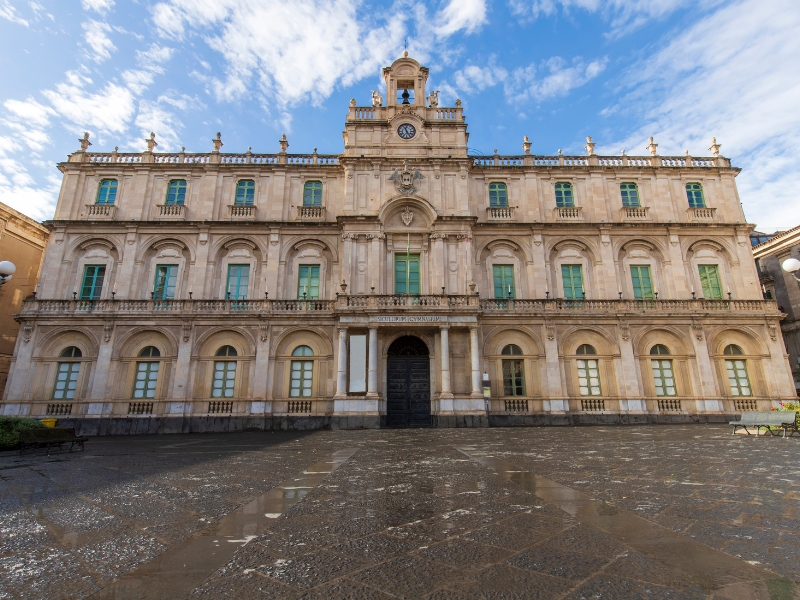
Piazza Università, a refined and historically significant square at the heart of Catania, is far more than a simple urban

Catania’s Via Etnea: planned in 1694 to point at Etna, the miscalculation story, lava-stone baroque palaces and Villa Bellini. Checked October 2026.
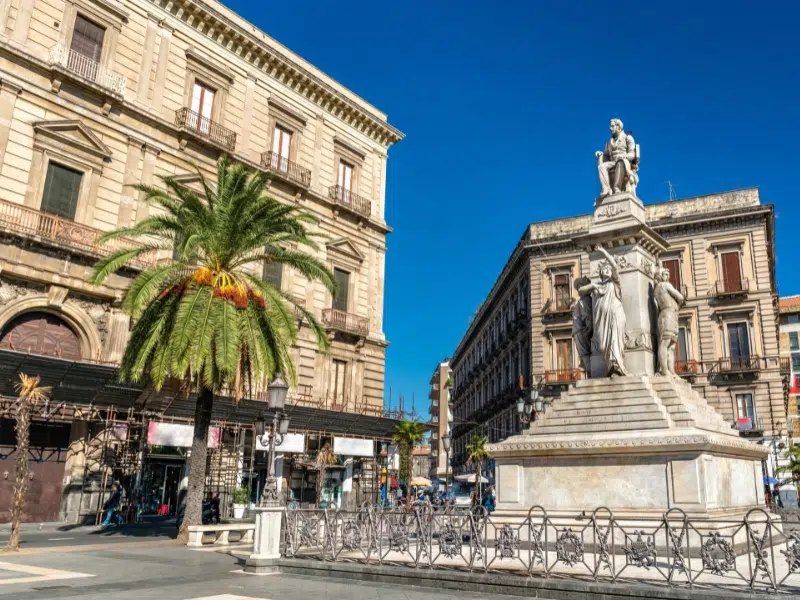
Piazza Stesicoro, a vibrant and dynamic square at the heart of Catania, is far more than a mere urban space.
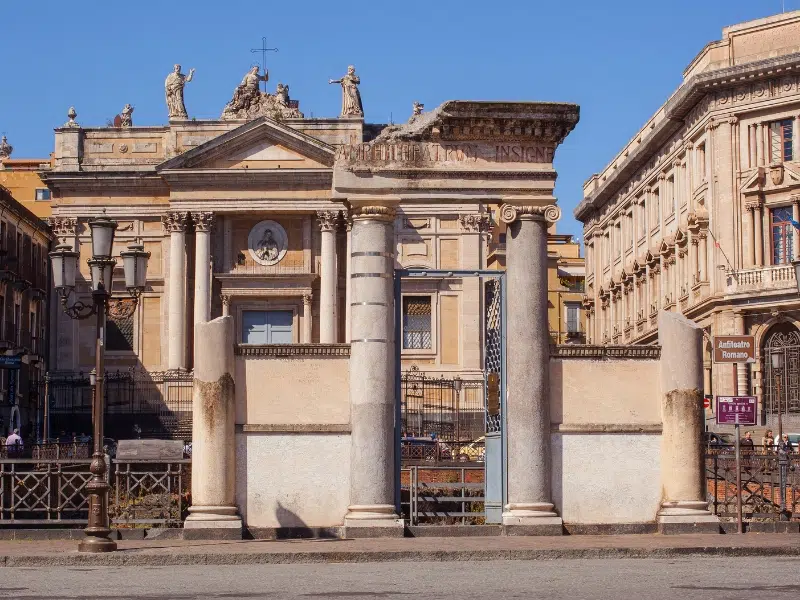
The Roman Amphitheater of Catania, a majestic ruin nestled within the city’s urban fabric, is far more than a collection
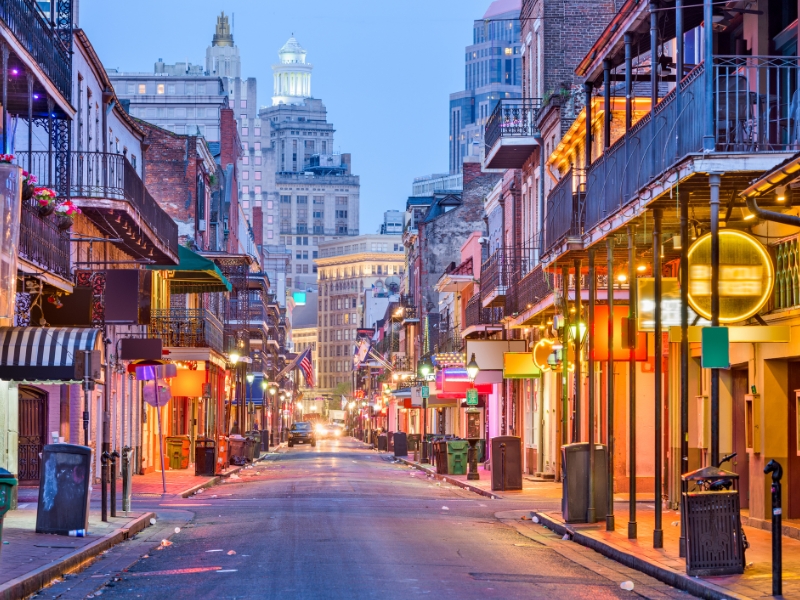
Fun facts about New Orleans: the world’s oldest streetcar line, the Spanish roots of the French Quarter, Marie Laveau and what to eat. Checked October 2026.
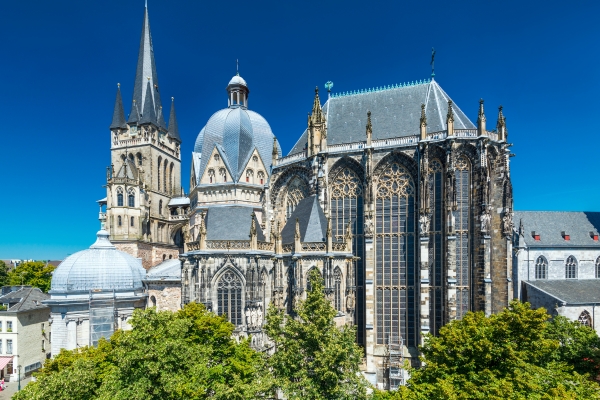
Unforgettable Family Adventures: Discover Aachen’s Hidden Gems with a World City Trail Scavenger Hunt Aachen, a city steeped in history
