
Table of Contents
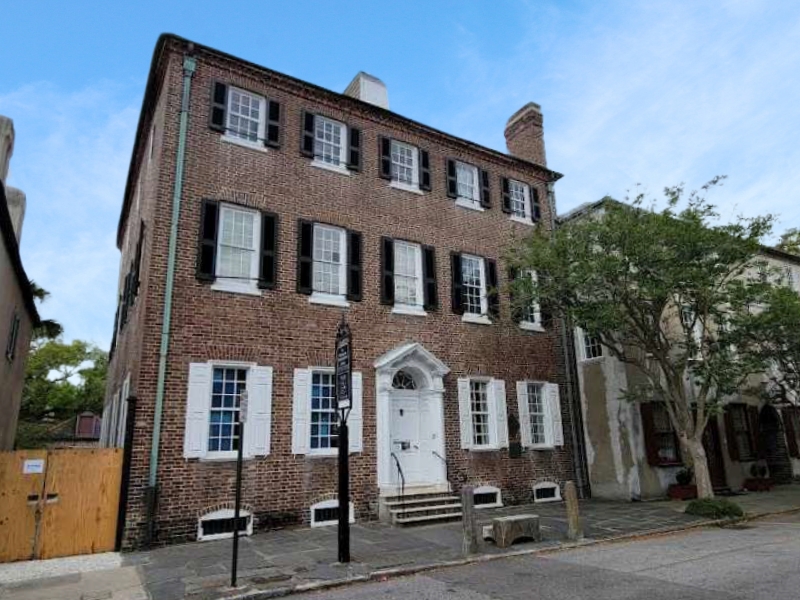
Tucked away in Charleston’s charming historic district, the Heyward-Washington House stands as a remarkable piece of Revolutionary War-era history, offering visitors an authentic glimpse into 18th-century life. Built in 1772, this beautifully preserved Georgian-style home has witnessed some of the most defining moments in Charleston’s past. As the former residence of Thomas Heyward Jr., a signer of the Declaration of Independence, and a temporary lodging for George Washington during his 1791 visit, the house holds a unique place in both local and national history.
A Residence of Revolutionary Importance
Built by Daniel Heyward, a wealthy planter, the Heyward-Washington House was originally intended as a grand city residence for his son, Thomas Heyward Jr., a prominent patriot and one of South Carolina’s signers of the Declaration of Independence. During the American Revolution, Heyward was captured by the British, imprisoned in St. Augustine, Florida, and later exchanged for British officers. His legacy as a staunch advocate for independence makes this house a powerful symbol of Charleston’s role in the birth of the United States.
In 1791, when George Washington embarked on his Southern tour as the nation’s first president, the city of Charleston needed a dignified place to host him. Since the Governor’s Mansion was in disrepair, the city arranged for Washington to stay at the Heyward residence, thus forever linking the home to one of the most iconic figures in American history. This brief but significant visit is why the house carries Washington’s name alongside Heyward’s.
The Interiors and Furnishings
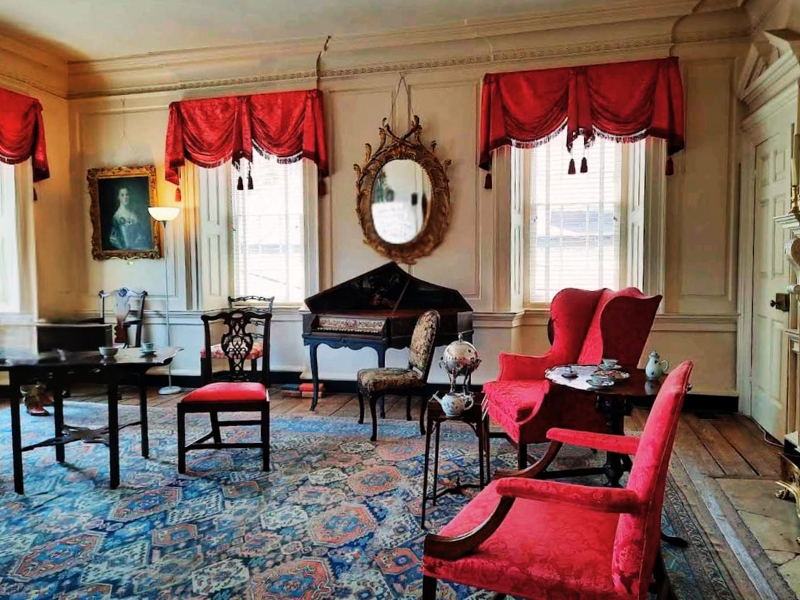
Walking through the Heyward-Washington House feels like stepping into the 18th century, thanks to its impeccably preserved rooms, elegant Georgian architecture, and original furnishings. Operated by the Charleston Museum, the home is notable for containing one of the finest collections of colonial-era furniture in the country, including pieces attributed to Thomas Elfe, Charleston’s most renowned 18th-century cabinetmaker.
The parlor and dining rooms showcase elaborate woodwork, period-accurate décor, and antique silver, reflecting the grandeur of Charleston’s wealthy elite. Upstairs, the bedrooms offer insight into the daily lives of the home’s residents, while the kitchen and workspaces highlight the role of enslaved labor in maintaining such an estate. These preserved spaces tell the stories of both Charleston’s aristocracy and the enslaved individuals who lived and worked within the home.
Exploring the Historic Gardens and Outbuildings
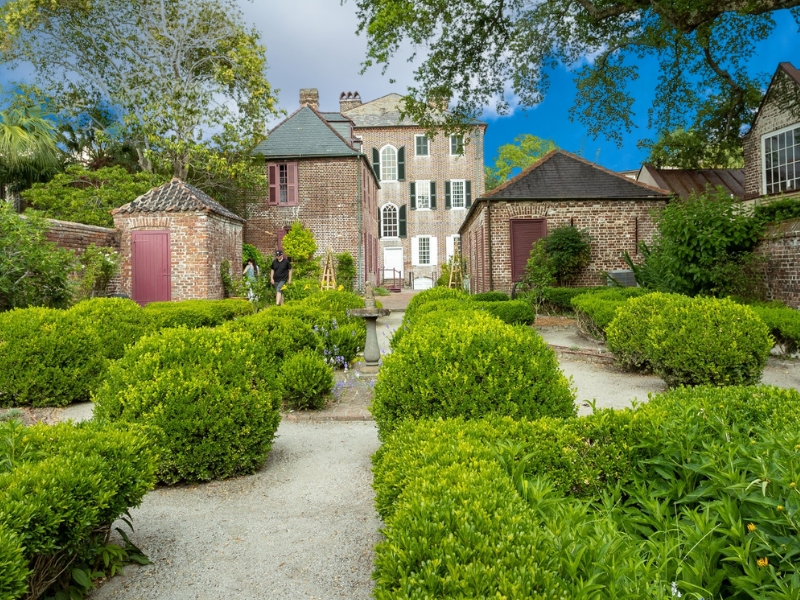
Beyond the main Heyward-Washington House, visitors can explore the expansive gardens, designed in the 18th-century style with symmetrical layouts, boxwood hedges, and native Lowcountry plants. This meticulously maintained outdoor space reflects Charleston’s colonial-era landscaping traditions and provides a tranquil setting to reflect on the history within the home’s walls.
The Heyward-Washington House also includes a rare 1740s kitchen building, one of the few original outbuildings of its kind remaining in Charleston. This structure offers a deeper look at the realities of colonial domestic life, including food preparation and the daily operations of a wealthy Charleston household.
Heyward-Washington House is part of Charleston scavenger hunt and walking tour!
Embark on an unforgettable journey through the enchanting city of Charleston with World City Trail. Our interactive walking tour combines the thrill of exploration with the rich history and culture of this beautiful city.
Key Features:
Interactive gameplay: Solve engaging puzzles and challenges as you explore the city.
Hidden gems: Uncover lesser-known spots.
Cultural insights: Learn about the city’s fascinating history.
Flexibility: Explore at your own pace and create your own itinerary.
Family friendly activity and a great way to explore the city!
Further reading on Wikipedia: Charleston, South Carolina