
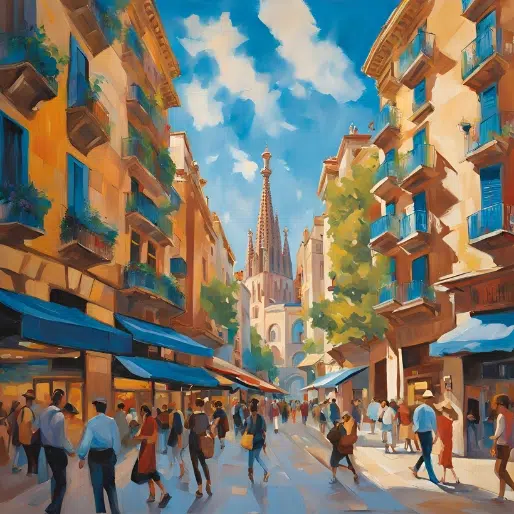


Barcelona is a city where bold imagination has shaped every skyline, blending Gothic streets, modernist masterpieces, and Mediterranean energy into a destination unlike any other. From the winding lanes of the Gothic Quarter to the architectural vision of Antoni Gaudí and the lively waterfront, the city celebrates creativity, history, and everyday life in equal measure.
The Barcelona Scavenger Hunt and Self Guided Tour invites you to see the Catalan capital through fresh eyes. Complete location based puzzles as you move between iconic landmarks, hidden squares, and colorful neighborhoods, uncovering the ideas, traditions, and artistic influences that have transformed Barcelona into one of Europe’s most inspiring and recognizable cities.
About Barcelona Scavenger Hunt with optional voice narration
Highlights of Barcelona Scavenger Hunt with optional voice narration
Play
Solve location based puzzles. Use logic, imagination and observation. No knowledge required.
Learn
Uncover fun facts, local legends and information about the attractions and the city.
Walk
Who doesn’t love walking as a way to explore a city? Do it at your own pace and discover hidden gems.
Flexibility
Start anytime. Time is with you and not against you. Customise your route. Snap photos as you go.
Team Building in Barcelona: Turn the City into Your Team’s Playground
Locations and Route (Show Map)
In the map you can check the optimised route. You can change the order and adjust it according to your needs.
Download the World City Trail app from the store and after the purchase you will receive a booking reference. Fill in your details and you are ready to go!
Step into a world where history isn’t just told—it’s solved. Experience the ultimate Barcelona Scavenger Hunt and self-guided tour. This interactive adventure merges a city-wide challenge with sightseeing, offering the most affordable way to explore the Mediterranean’s most creative capital. Without schedules or pressure, you’ll solve multilingual riddles and enjoy an immersive journey through a city where Gothic mysteries and Modernist masterpieces live side by side.
We have carefully curated the best route in Barcelona, connecting 10 of the city’s most important attractions into one seamless, walkable journey. Starting at the lively Plaça de Catalunya, you can use our customizable route feature to adjust the order of checkpoints based on your needs. As you interact with the colorful Palau de la Música Catalana, the majestic Cathedral of Barcelona, and the legendary La Rambla, you’ll solve location-based puzzles and listen to audio stories that unlock local secrets. The path leads you past the grand Liceu Opera House to the surreal details of Gaudí’s Güell Palace.
Discover the historic Columbus Monument and the scenic Rambla de Mar before finishing at the world-renowned Picasso Museum. Conclude your quest having experienced the city’s finest gems for the lowest price available. Whether you are solving riddles in the shadow of the Gothic cathedral or navigating the picturesque waterfront, you are enjoying an enriching walk of discovery while uncovering the soul of the city with this unique experience.
Important information about Barcelona Scavenger Hunt with optional voice narration
Smartphone
You will need a fully charged smartphone with internet access and World City Trail app.
Self Guided Tour
Nobody will wait for you. Start anytime and do it at your own pace. Pause and resume anytime.
Not Suitable
For wheelchair users, people with mobility impairments or unaccompanied children.
Important
You don’t have to pay any entry fees.
Explore the attractions of Barcelona Scavenger Hunt with optional voice narration
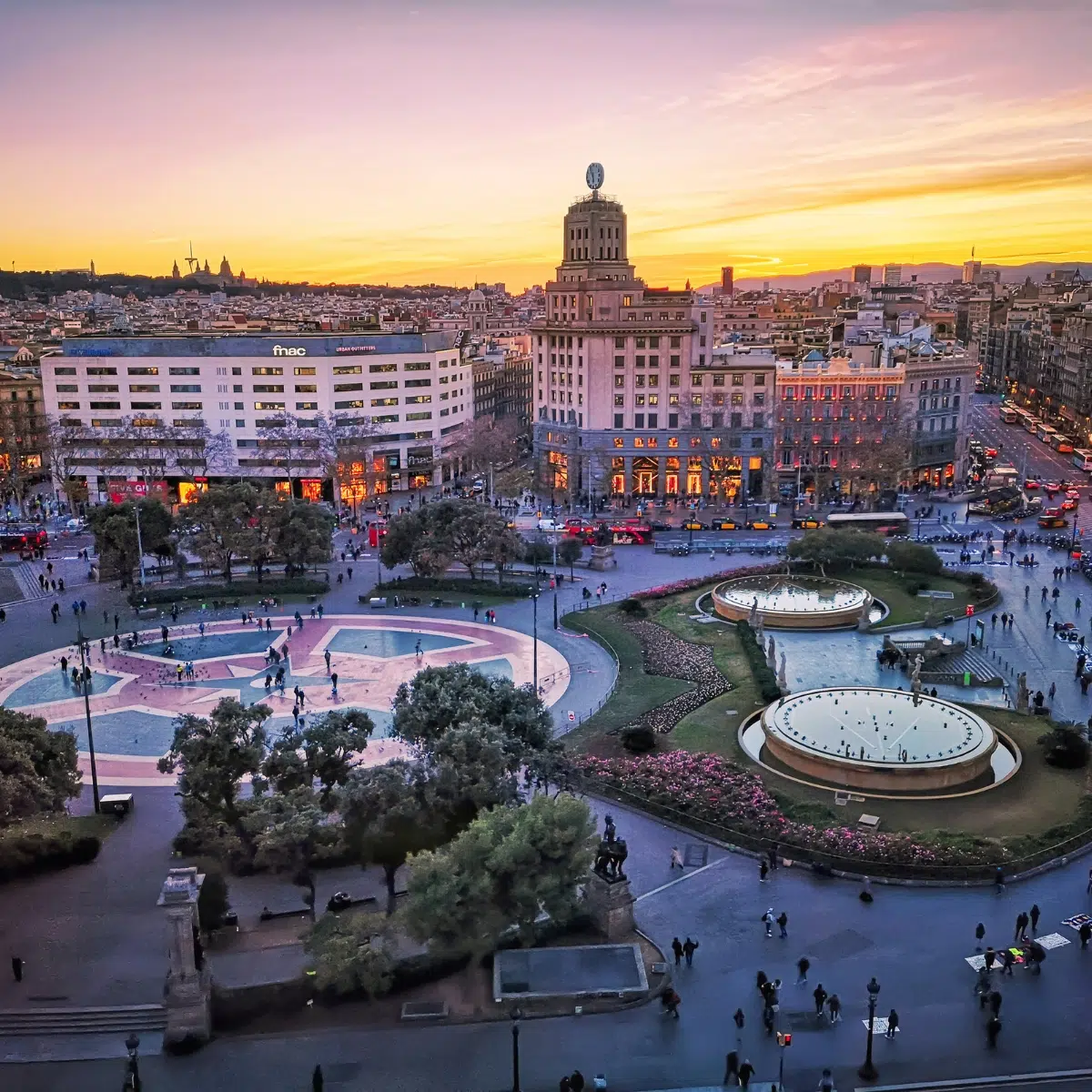
Plaça de Catalunya – starting point of Barcelona Scavenger Hunt with optional voice narration and city tour
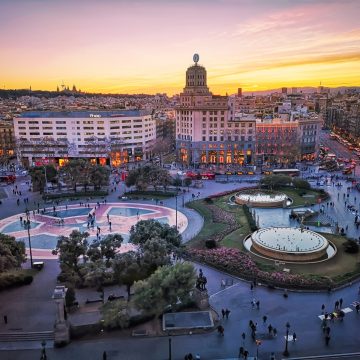
The Plaça de Catalunya (Catalonia Square) is the heart of Barcelona City and the most active place of the city at every hour of the day. It works as a main connection between the Old Town, la Ciutat Vella (the Gothic Quarter) and the New modern city (the Eixample District).
This central square is crossed by the most important and busiest streets of the city: Passeig de Gràcia, Rambla de Catalunya, the mythical avenue of La Rambla and the famous shopping street Portal de l’Angel.
The buildings located all around the square are mostly offices and banks. There is also a huge shopping mall named El Corte Inglés, the most important one in the city as well as the Official Apple Store. Due to its location, is almost impossible not to visit it during your stay in Barcelona. It is usually the main meeting point for locals and visitors.
Palau de la Música Catalana
Barcelona’s Palau de la Música Catalana is one of the most striking concert halls in the world.
Built between 1905 and 1908 for the Orfeó Català (a Catalan choral society).
It is currently one of the most representative Catalan Modernist buildings in Barcelona City.
The building has played an essential role in the society of Barcelona. This auditorium is naturally lit during the day giving with a bright and colorful light thanks to it stained-glass panes and its enormous stained glass skylight. The hall is beautifully decorated to immerse the spectators into a magical world.
The hall and the stage contain sculptures, busts, reliefs that fill the room with magic and create an ideal atmosphere for the various artists and music forms that are performed in the Palau.
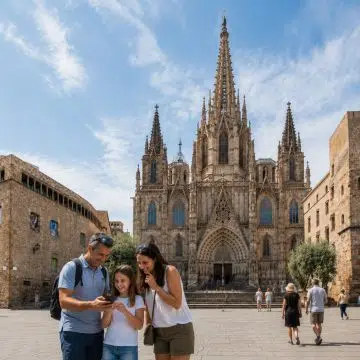
Cathedral of Barcelona
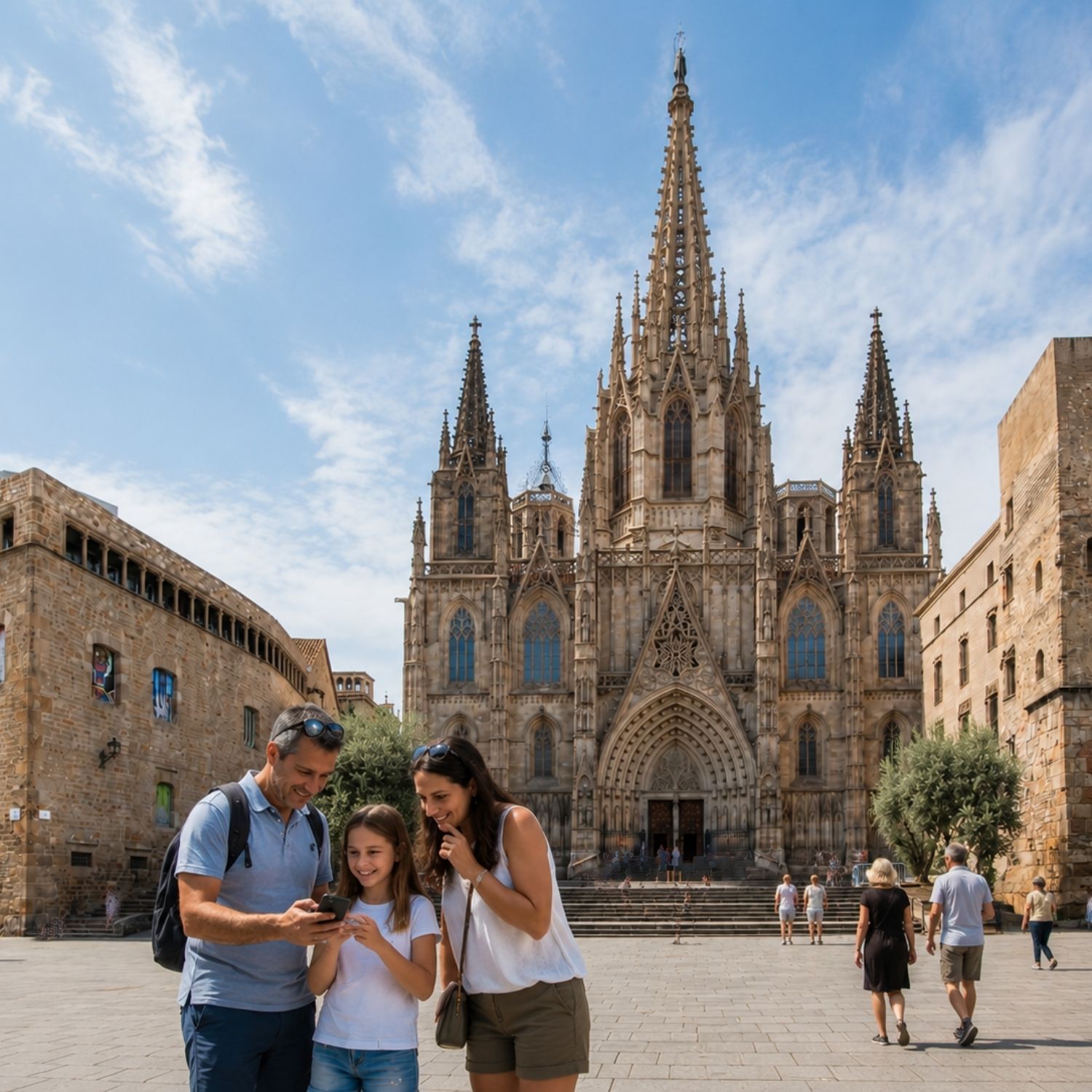
The Cathedral of Santa Creu and Santa Eulàlia of Barcelona City was built between the years 1317-1441 on the old Romanesque cathedral. We have to go further in time as it happens with many churches and cathedrals to find out about its history.
The Romanesque cathedral was built on a church of the Visigothic period and this one on an Early Christian basilica whose remains are in the basement of the Cathedral of Barcelona.
The neo-gothic facade was added in the 19th century. From Carrer del Bisbe there is an entrance directly into the cloister, a gothic dream world of fountains, and geese (13 in total).
As the legend says Santa Eulalia was thirteen years old when she was executed and shepherded geese) and palm trees. Another secret world is the roof of the cathedral which can be reached by an elevator adjacent to the left nave.
Gothic Quarter
Barrio Gótico, Spanish for ‘Gothic Quarter,’ is one of the oldest and most beautiful districts in Barcelona. It is a labyrinth of small streets full of little bars, restaurants and shops. The neighborhood is part of the Cituat Vella, Catalan for ‘the old city,’ and is situated right in the city center: it stretches from the famous Rambla to Via Laietana. Get lost in narrow streets of Gothic quarter while playing our Barcelona escape game!
Gran Teatre del Liceu
The Gran Teatre del Liceu, known locally as El Liceu, is considered to be one of the world’s most important opera houses.
Located on La Rambla, it was built in 1847 to house the city’s Music Conservatory and to provide a space where the city’s middle class could enjoy the opera. Some of the opera world’s most renowned singers have graced its stage.
Its history, however, has been associated with a curse, as over the years it has suffered two fires (one in 1861 and another in 1994) and a bomb attack in 1893. The current building is a faithful restoration of the original, constructed after the 1994 fire.
La Rambla
La Rambla is the most famous street in Barcelona City and one of the most vital places of the catalan capital.
Without a doubt, is one of the most essential attractions to visit in Barcelona.La Rambla starts at the epicenter of Barcelona, Plaça Catalunya (Catalonia Square).
It stretches along many important spots you’ll also want to get acquainted with, ending by the seaside shopping center Maremagnum.This 1,3 Km long promenade marks the division between Barrio Gótico (Gothic Quarter) and El Raval. Barcelona’s cathedral is just located a few blocks away, as well as Plaça Sant Jaume, which houses the main Catalonian Government Building and the City Hall.
Güell Palace
The Guell Palace, ” Palau Güell” in catalan, was constructed in 1888 by Antoni Gaudi.
In the lobby of the Palace, the light that falls through the windows is subdued by three huge parabolic arches formed by grey, smoothly polished stone pillars.
The towering arches create the impression of a Gothic window; but the windows which Gaudi employed in Guell’s palace are rectangular – in other words, serve as a counterpoint to the lines of the arches. These arches also reveal the first signs of his worries with Art Nouveau.
The Art Nouveau elements of the entrance gate were also repeated inside the building. For one thing, there are lavish decorations on the pillars, of which there are a considerable number : from the thick, supporting, mushroom-shaped polished grey pillars made of snake-eye stone excavated from a quarry in the Pyrenees.
Columbus Monument
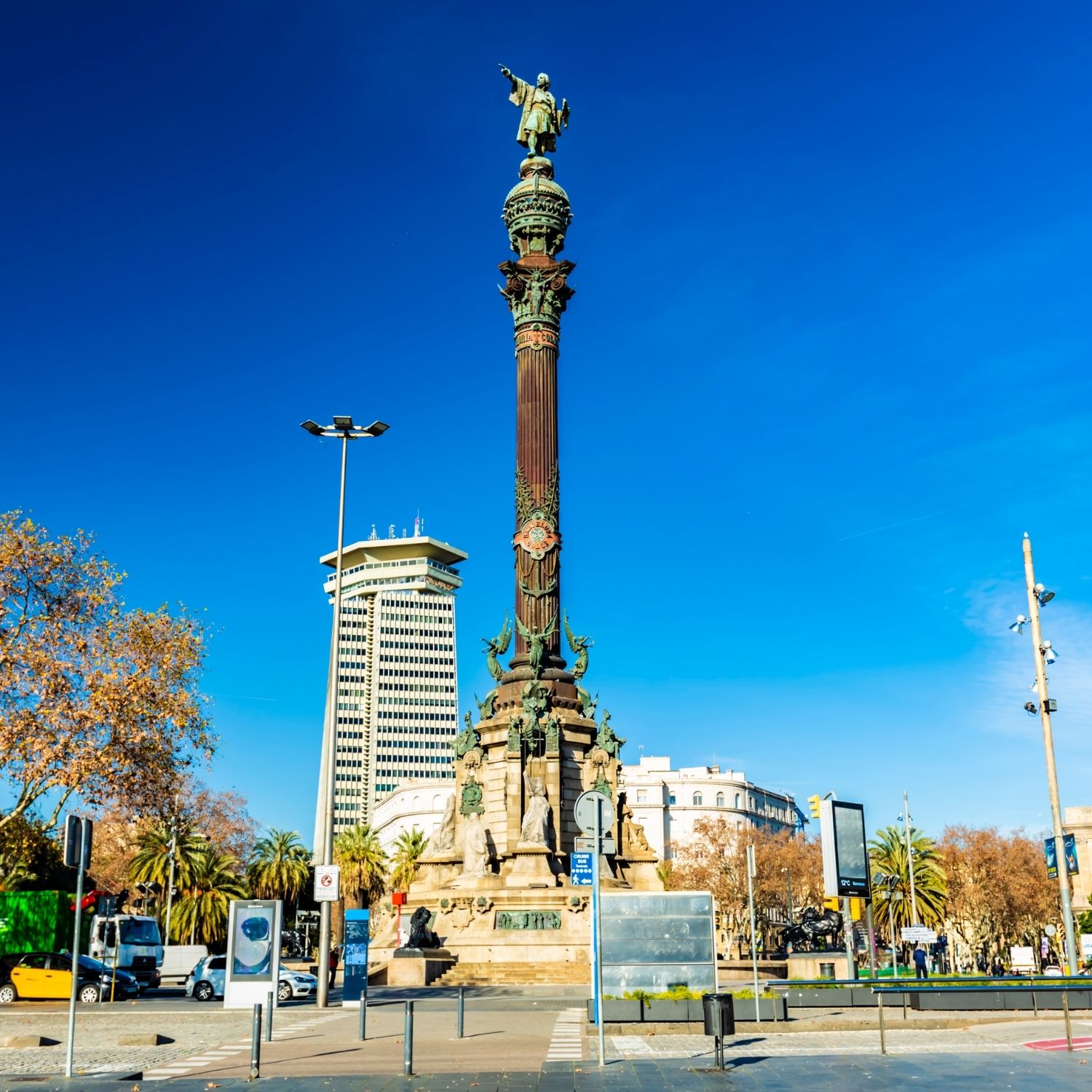
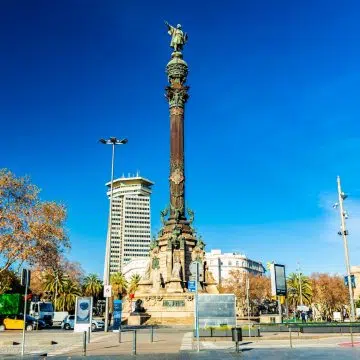
The Columbus Monument, a 60-meter landmark designed by architect Gaietà Buigas, stands at the site where Columbus arrived in 1493 to report his discovery to the Catholic Monarchs. While the explorer was born in Genoa, the bronze statue by Rafael Atché actually points toward the Mediterranean Sea—specifically toward Mallorca—symbolizing his departure rather than the New World, which lies in the opposite direction. Within the column, the city’s first-ever elevator carries visitors to a narrow viewing gallery inside the crown, offering panoramic views of Port Vell and the historic city center.
Barceloneta
The Barceloneta is a triangular spit of land. It cuts into the sea boats in the old harbour, or Barcelona’s Port Vell, on one side, and sandy beaches on the other.
The neighbourhood, with its narrow, rectilinear streets, was built on a military grid structure to provide accommodation for the former inhabitants of La Ribera who had lost their homes due to the construction of the citadel. The houses were low-rise and small in scale so as not to obstruct views of the city.
Rambla De Mar
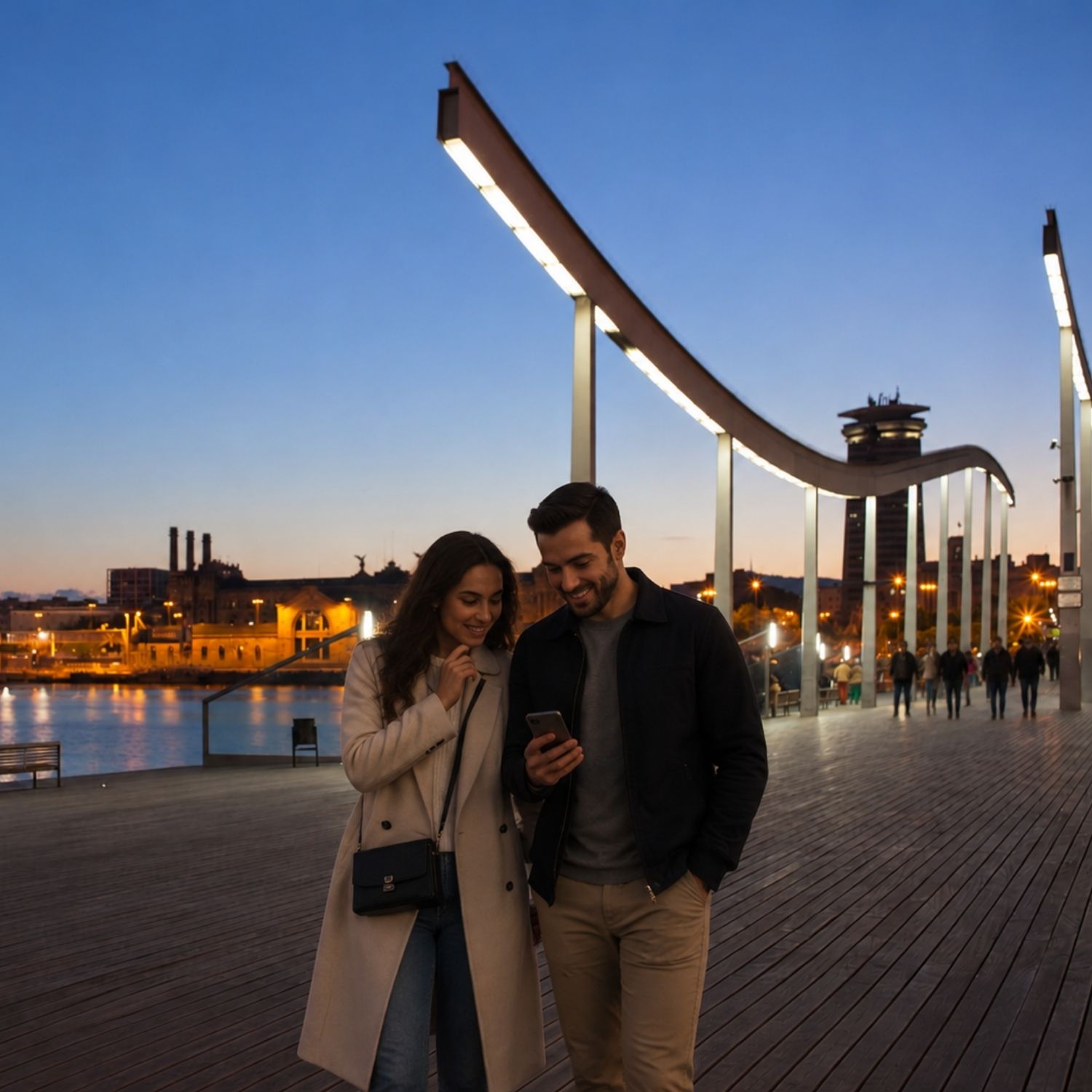
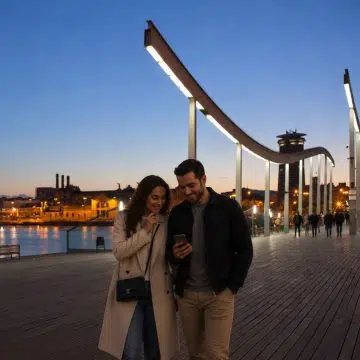
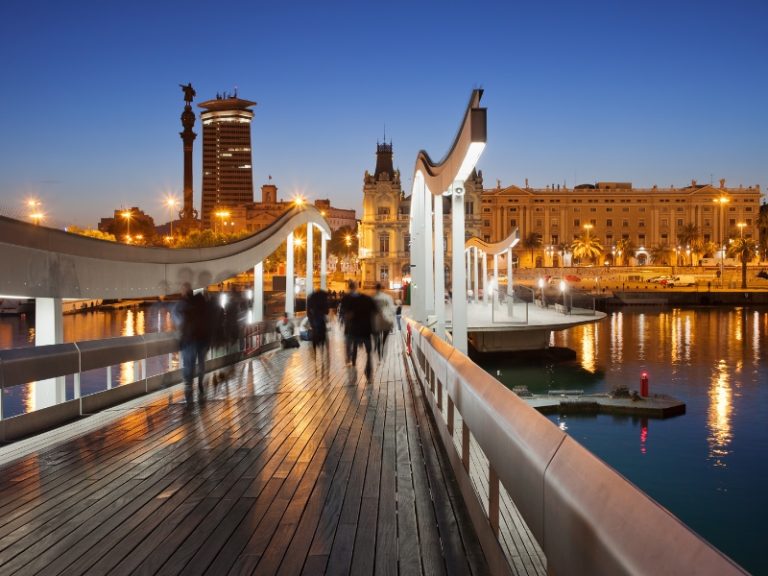
The Rambla de Mar is a modern wavy footbridge over the water, that acts as an extension, connecting the end of La Rambla to the Maremagnum shopping center in the harbor. Designed in 1994 its modern architecture and minimalist form are the most emblematic image of Port Vell. It is an undulating wooden walkway, with two openings, supported over the water by two iron arms. Every hour on the dot it opens to allow recreational boats to pass through.
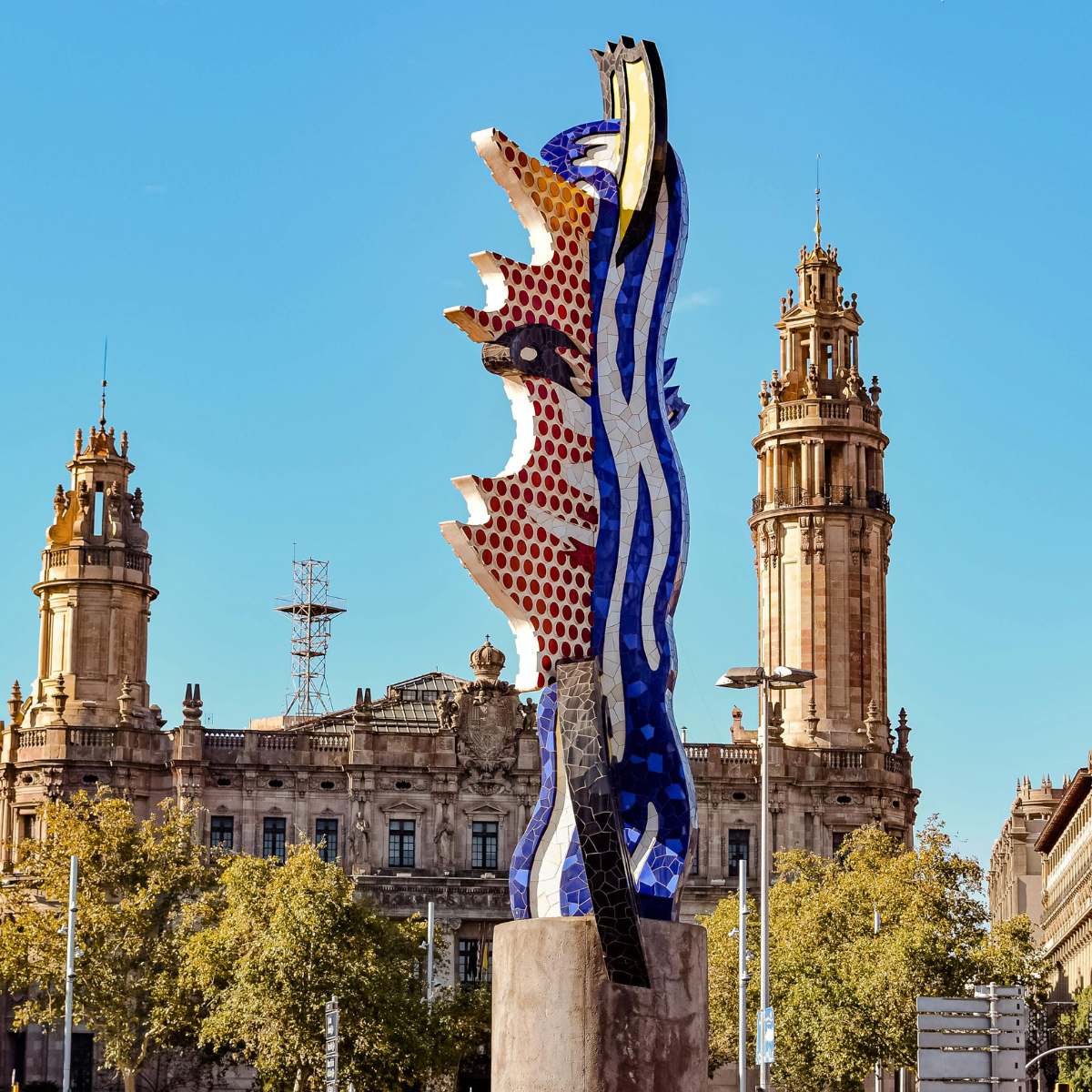
El Cap de Barcelona
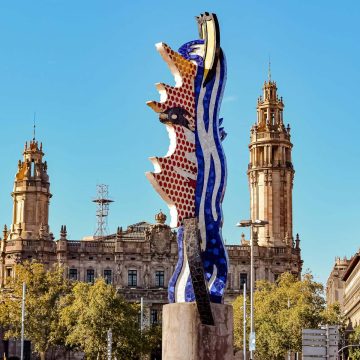
This is a sculpture by the North American Roy Lichtenstein.
The red dots are representative of pop art. He used the world of comics as a reference, reproducing their printing systems in his paintings.
The trencadís used refers to the modernism period in Barcelona.Cara de Barcelona (The head) is a large sculpture by the North American artist Roy Lichtenstein.
It was created with the help of Diego Delgado Rajado, a sculptor from Extremadura.
The sculpture is in Colom avenue, next to Moll de la Fusta (the wooden pier). It dominates the entrance to the fishermen’s’ neighbourhood called Barceloneta. The red spots on the Cara de Barcelona sculpture are characteristic of Lichtenstein’s work.
Basilica of Santa Maria del Mar
Standing as a supreme example of Catalan Gothic architecture, the Basilica of Santa Maria del Mar was built in the 14th century by the local sailors and merchants of the La Ribera district. As you admire its soaring, slender columns and the magnificent rose window that floods the interior with ethereal light, you will discover a “church of the people” that represents the maritime strength and communal spirit of medieval Barcelona.
Picasso Museum – ending point of Barcelona Scavenger Hunt with optional voice narration and city tour
We conclude our scavenger hunt at the Picasso Museum, a historic landmark where the final stories of the artist’s journey bring your adventure to a close. Housed within five adjoining medieval palaces in the heart of the Ribera district, the museum showcases one of the most extensive collections of artworks by the 20th-century Spanish master. As you wander through its Gothic courtyards, you will discover the deep connection between the artist and the city that shaped his formative years, offering a rare look at his evolution from classical sketches to the birth of Cubism.
Frequently Asked Questions

Best romantic restaurants in Barcelona.
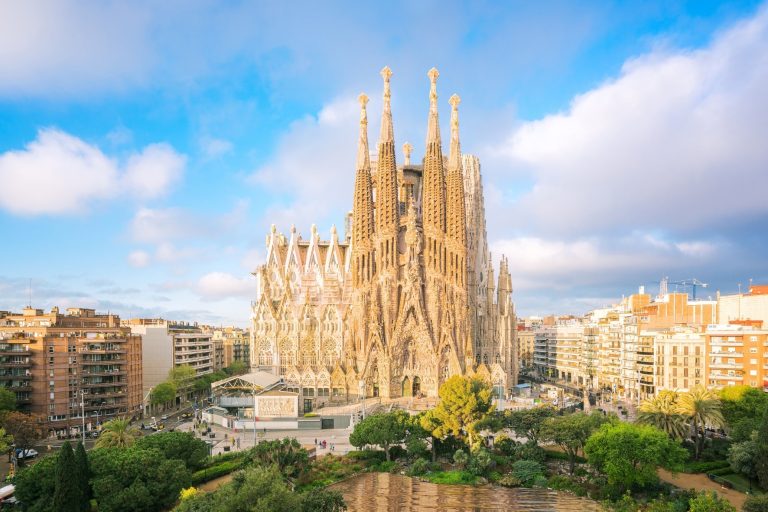
Barcelona Immersive Experiences: A Tapestry of Gaudí, Gastronomy, and Glimpses into Catalonia
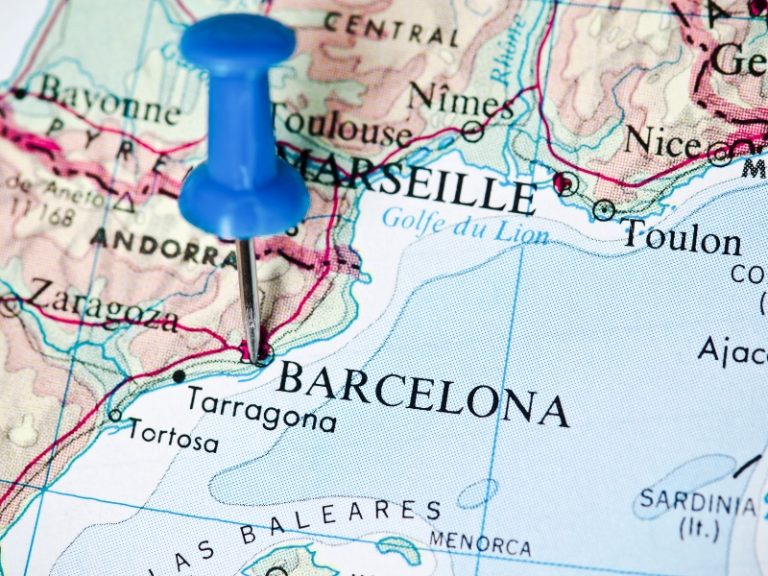
Fun Facts about Barcelona: Hidden Gems, Local Legends and Must Do and See
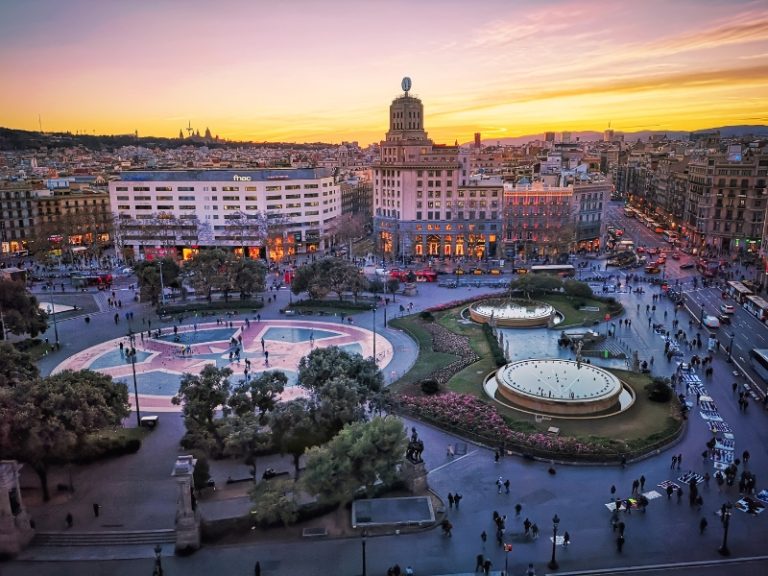
Plaça de Catalunya: The Heart of Barcelona
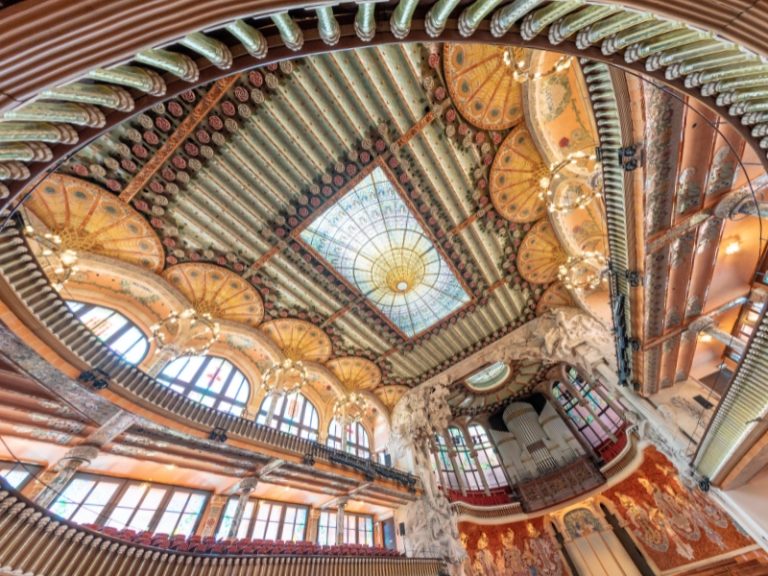
Palau de la Música Catalana: A Symphony of Art and Sound
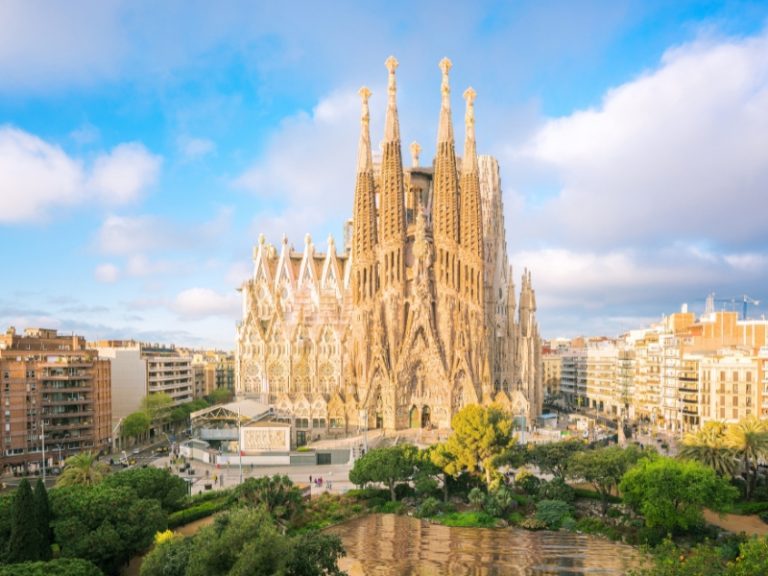
Barcelona Cathedral: A Gothic Masterpiece
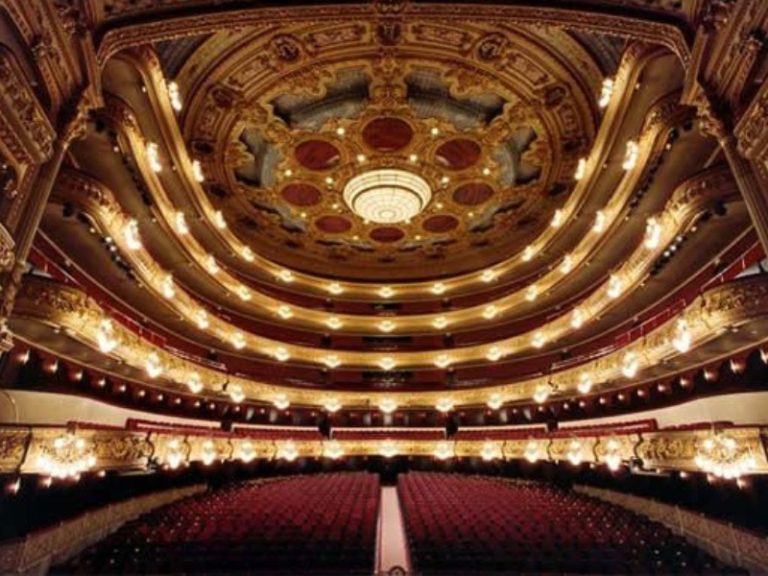
Gran Teatre del Liceu: A Timeless Jewel of Barcelona
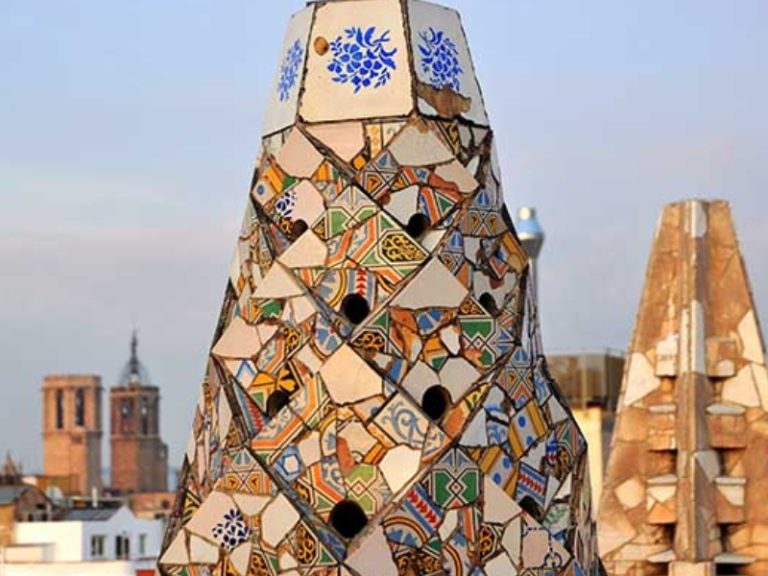
Güell Palace: A Masterpiece of Modernisme
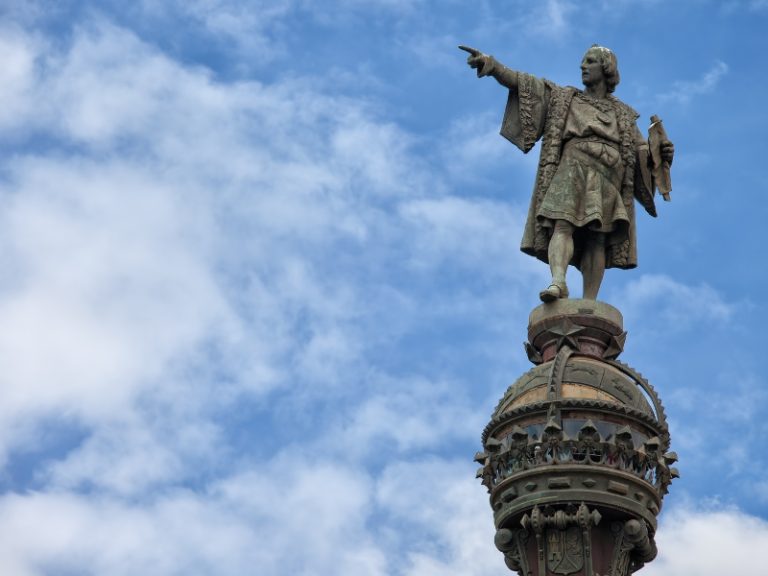
Columbus Monument: A Landmark of Barcelona


Switzerland –
Collected on GetYourGuide
Germany –
Collected on GetYourGuide
Super um Barcelona alleine kennenzulernen
France –
Collected on GetYourGuide
C’est idéal pour découvrir une ville en s’amusant
Dunja– Croatia –
Collected on GetYourGuide
This game is a great way to get to know the city and all the most interesting sites. Love it and I look for a version of it in any city I visit! The riddles are fun and the optimised route is usually really nice!
Italy –
Collected on GetYourGuide
Italy –
Collected on GetYourGuide
Switzerland –
Collected on GetYourGuide
Bellissima attività per scoprire la città in modo diverso
Steffie– Germany –
Collected on GetYourGuide
Wir erkunden gern auf eigene Faust neue Städte. Diese Schnitzeljagd war super und die Rätsel waren gut lösbar. Außer am Hafen, weil das Gebäude zurzeit eingepackt ist.
Petra– Germany –
Collected on GetYourGuide
Uns ging es bei der Schnitzeljagd darum, einen Spaziergang durch Barcelona zu machen, der zu verschiedenen Sehenswürdigkeiten führt, wir ein paar Informationen über diese erhalten, dabei ein paar (wirklich leichte) Rätsel dazu zu lösen, indem wir uns diese Sehenswürdigkeiten genauer anschauen. Und dies hat diese Tour erfüllt.
France –
Collected on GetYourGuide
bien mais question trop compliqués et mal expliqué d’autant plus que les travaux ne permettent pas de jouer à fond et de répondre à certaines questions
Italy –
Collected on GetYourGuide
Buona
Netherlands –
Collected on GetYourGuide
Geweldige gezinsactiviteit.
Spain –
Collected on GetYourGuide
Spain –
Collected on GetYourGuide
Netherlands –
Collected on GetYourGuide
Netherlands –
Collected on GetYourGuide
Siobhan– United Kingdom –
Collected on GetYourGuide
This was good fun, fairly simple to play and get the answers and good to get around the city with a purpose. The downside would be to be able to change location, once you have locked into the next location you can’t go back. We realised that we had to break up our route to go to another activity in the middle but had already locked in the next location by accident and couldn’t get out. Otherwise fun for the price.
Germany –
Collected on GetYourGuide
Germany –
Collected on GetYourGuide
Germany –
Collected on GetYourGuide
Germany –
Collected on GetYourGuide
Jarne– Germany –
Collected on GetYourGuide
Günstig aber nett um die Stadt zu entdecken.
Spain –
Collected on GetYourGuide
Spain –
Collected on GetYourGuide
Austria –
Collected on GetYourGuide
war alles super. so kann man die Stadt von einer anderen Seite kennenlernen
Belgium –
Collected on GetYourGuide
Belgium –
Collected on GetYourGuide
Belgium –
Collected on GetYourGuide
Belgium –
Collected on GetYourGuide
Netherlands –
Collected on GetYourGuide
Thrilling! We learnt many new things!
Spain –
Collected on GetYourGuide
Spain –
Collected on GetYourGuide
France –
Collected on GetYourGuide
Une excellente activité familiale.
Germany –
Collected on GetYourGuide
Germany –
Collected on GetYourGuide
Spain –
Collected on GetYourGuide
Spain –
Collected on GetYourGuide
Larissa– Switzerland –
Collected on GetYourGuide
Es war toll, wir sind zwei Leute die in Ihrer Freizeit sehr gerne Spazieren, laufen oder Wandern gehen. Mit dieser Tour hat man Strassen und Gässchen entdeckt die man sonst nicht gefunden und verpasst hötte. Alles in allem sind wor an diesem Tag 13 km spaziert. Wir haben die Aufgaben spannend gefunden und interessant war auch das zu jeder erfolgreichen Aufgabe eine Legende geschrieben wurde, welche man sich durchlesen uns somit auch was lernen konnte. Ps. Wir sind 21 Jahre jung und ich denke es ist für jedes Alter gerecht wenn man gut zu Fuss ist. Man könnte aber auch mit der Metro oder mit dem Bus gut zu den „Dingen“ kommen. Also von uns ein 10 von 10 für die Aktivität und den Preis sowieso. Vielen Dank??
Severine– France –
Collected on GetYourGuide
Très bien pour découvrir la ville
Elena– Germany –
Collected on GetYourGuide
Nette Stadtrallye, tolle Infos zu den Sehenswürdigkeiten und zu Barcelona. Die kleinen Rätsel waren gut lösbar.
Netherlands –
Collected on GetYourGuide
Germany –
Collected on GetYourGuide
Netherlands –
Collected on GetYourGuide
Germany –
Collected on GetYourGuide
Netherlands –
Collected on GetYourGuide
Netherlands –
Collected on GetYourGuide
Spain –
Collected on GetYourGuide
France –
Collected on GetYourGuide
Belgium –
Collected on GetYourGuide
Spain –
Collected on GetYourGuide