What is the Luxembourg City outdoor escape game?
Think of it as an escape room taken outdoors. The Luxembourg City outdoor escape game sends you around the old town with your phone in hand, and at each of its 10 stops you work out a puzzle by looking carefully at the surroundings and reasoning step by step. Expect about 1.5 hours, including 23 minutes on foot over 2 km, and set off whenever suits you.
The puzzles are tied to places such as the Grand Ducal Palace, the Bock Casemates and the Gëlle Fra, and each one stands alone, so you never need to follow a plot to move on. Stuck? Three levels of hints are there to help. The compact old town suits this format well: the stops sit close enough that the game feels like one walk, with views into the valleys along the way.
- Durationabout 1.5 hours
- Walkingabout 23 min · 2 km
- Stops10
- LanguagesEnglish, German, French, Italian, Spanish, Dutch
What you do during the game
Solve
Work out the puzzle at each stop from what is around you. No prior knowledge of Luxembourg is needed.
Observe
The clues are in the details of each place, from façades to statues and squares.
Walk
Google Maps guides you from stop to stop over about 2 km, roughly 23 minutes on foot.
Pause
No timer runs in the background. Take a break whenever you like, then pick up later or on another day.
See the route and attractions →
How it works
- Book online Choose the number of players. Your booking reference arrives by email straight away.
- Get the app Download the World City Trail app from the App Store or Google Play and enter your booking reference.
- Play when you like Start whenever you are ready, walk at your own pace and pause any time. No guide, no fixed schedule.
Who it suits
Friends
The puzzles give everyone something to argue over at the next stop, and nobody needs to know the city beforehand.
Couples
A shared task that keeps you talking as you move from one monument to the next.
Team building
Colleagues can each follow the route on their own phone, which keeps a work outing simple to organise.
Good to know
- Bring a charged smartphone with mobile data; a power bank helps.
- Best started in daylight, so you can see the details the puzzles ask about.
- No entry tickets needed: everything happens outside the buildings. Going inside is optional and paid separately.
- Family friendly; children must be accompanied by an adult.
- Not suitable for wheelchair users and difficult with strollers.
- Teams of up to 5 work best; bigger groups split into several teams, one ticket per player.
- Every purchase helps support stray cats and dogs in Greece.
Puzzle route: from the Dicks-Lentz Monument to the Scenic Corridor
10 stops · about 23 min walking · start: Dicks-Lentz Monument · finish: Scenic Corridor
The route has ten stops. You begin at the Dicks-Lentz Monument, then pass Place d'Armes, Place Guillaume II, the Grand Ducal Palace and the Bock Casemates, followed by St Michael's Church, the Kaddish Monument, Notre-Dame Cathedral and the Monument of Remembrance (Gëlle Fra), and finish at the Scenic Corridor along the old fortress walls. Daylight is the best time to start, since every puzzle is solved outdoors and rain or wind will slow you down. Google Maps handles the walking between stops, the app lets you change the order of the stops, and you need no entry tickets for the puzzles.
Open the route map ↗
1Dicks-Lentz MonumentStart
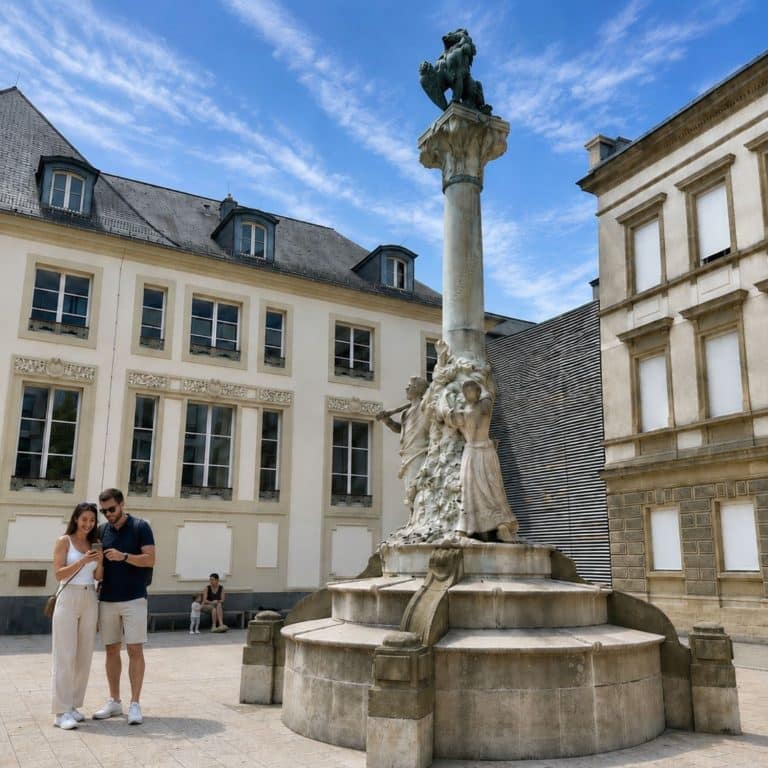
This monument honours Luxembourg's two national poets, Edmond de la Fontaine, known as Dicks, and Michel Lentz. Dicks wrote some of the first plays in the Luxembourgish language, and Lentz wrote the words of the national anthem, Ons Heemecht.
2Place d'Armes
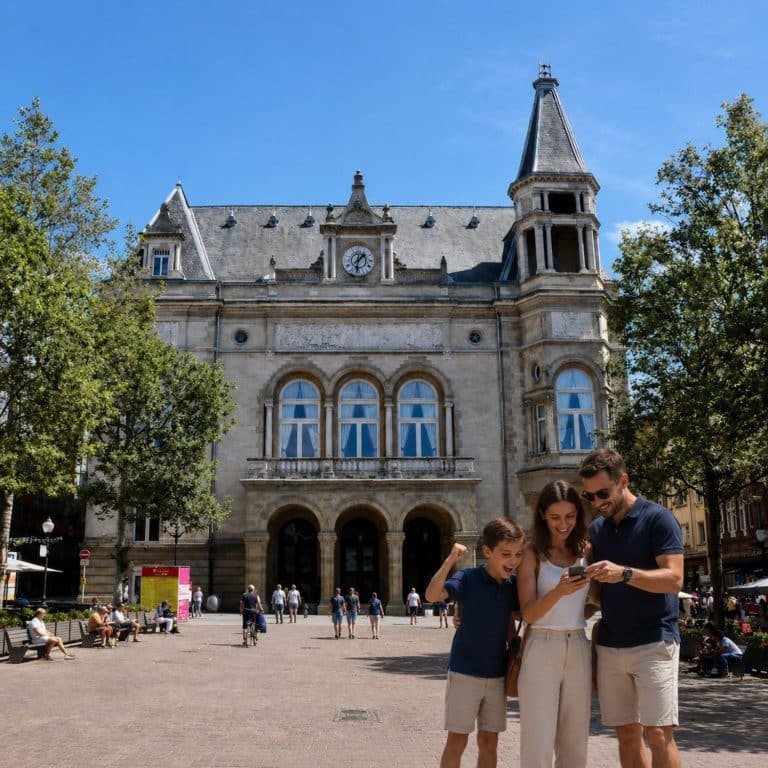
This tree-lined square with its cafés and bandstand takes its name from the soldiers of the fortress garrison who once paraded here. On one side stands the Cercle Cité, an ornate early 20th-century building used for receptions and exhibitions. In summer the bandstand hosts open-air concerts.
3Place Guillaume II
Locals call this large square the Knuedler, after the knotted cord worn by the Franciscan friars whose monastery once stood here. In the middle rides an equestrian statue of William II, King of the Netherlands and Grand Duke of Luxembourg, and the City Hall lines one side of the square.
4Grand Ducal Palace
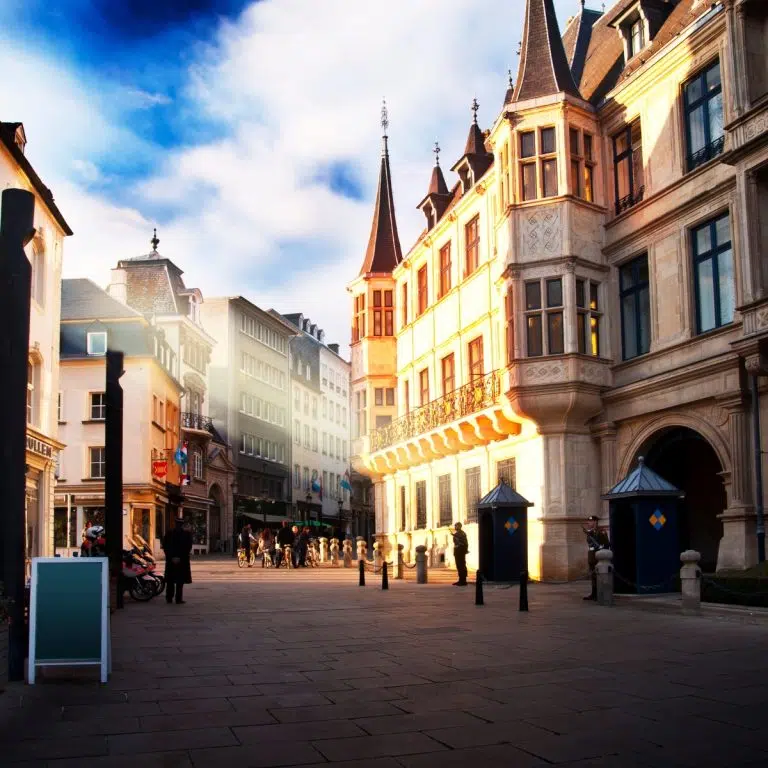
The palace began life as the city hall, and its richly decorated Renaissance façade dates from the 16th century. Today it is the Grand Duke's official residence in the capital, where he carries out his duties as head of state. The Chamber of Deputies, Luxembourg's parliament, sits right next door.
5Bock Casemates
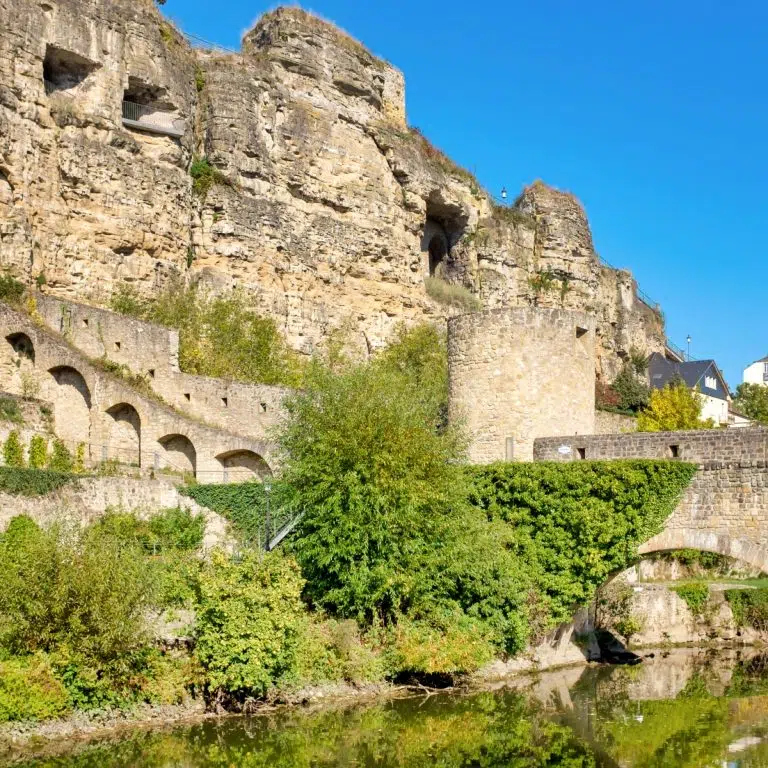
On the Bock promontory Count Siegfried acquired a castle in 963, the moment usually seen as the founding of Luxembourg. From the 17th century tunnels were dug into the rock to shelter soldiers, guns and supplies, and the fortress was nicknamed the Gibraltar of the North. The old quarters and fortifications have been a UNESCO World Heritage Site since 1994.
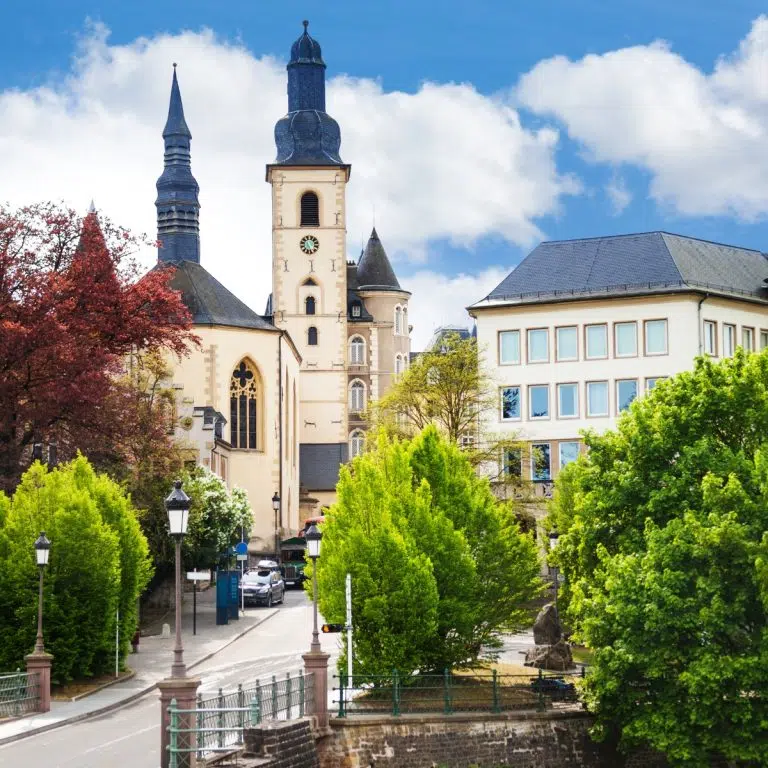
6St Michael's Church
St Michael's Church stands on the oldest religious site in the city, where a castle chapel was consecrated in 987. The present building dates mostly from the late 17th century and mixes Romanesque, Gothic and Baroque features. It stands in the Fish Market area, the oldest part of the old town.
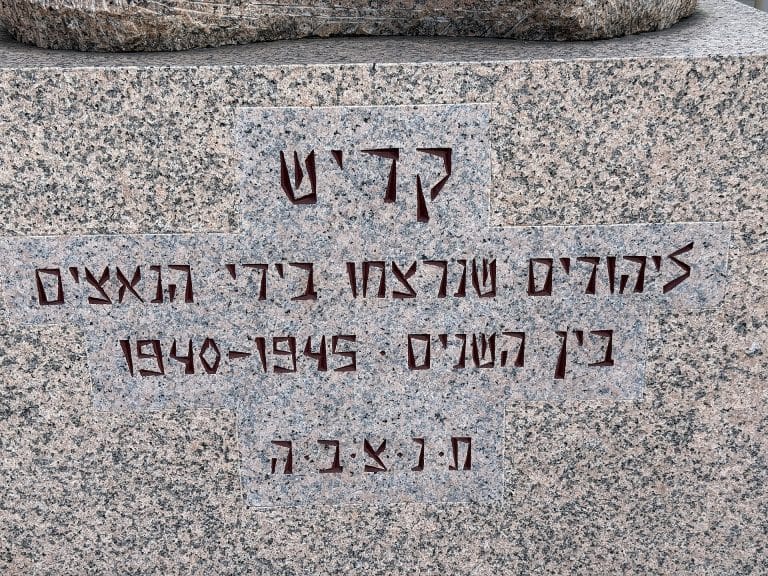
7Kaddish Monument
The Kaddish monument is Luxembourg's national memorial to the Jews who were persecuted, deported and murdered during the Holocaust. It was created by Shelomo Selinger, a sculptor who survived the Nazi camps himself, and unveiled in 2018. Its name comes from the Jewish prayer recited in memory of the dead.
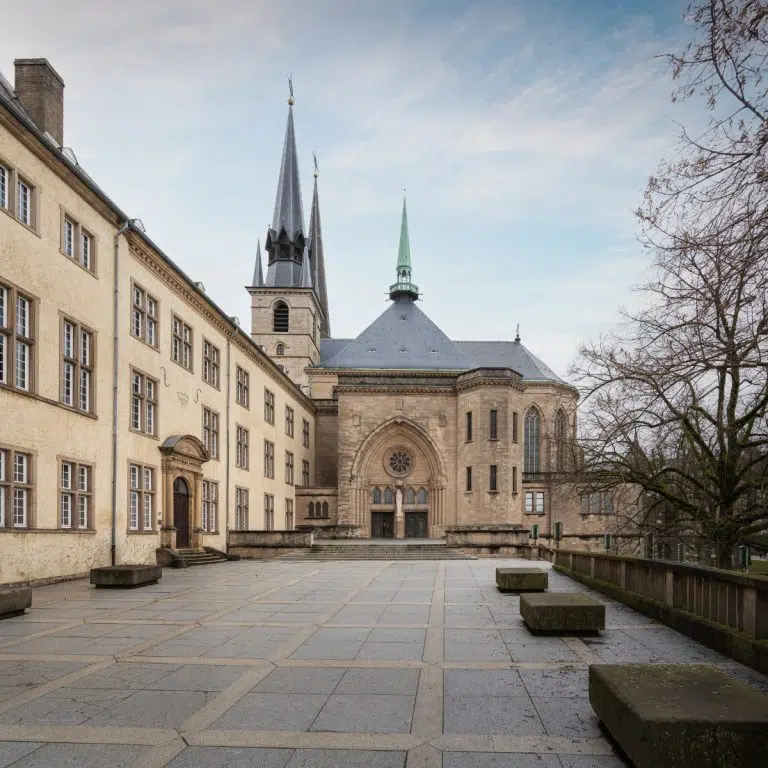
8Notre-Dame Cathedral
Built between 1613 and 1621 as a Jesuit church, Notre-Dame combines late Gothic architecture with Renaissance details and became a cathedral in the 19th century. Its crypt holds the tomb of John the Blind, Count of Luxembourg and King of Bohemia, who died at the Battle of Crécy in 1346, and the burial vault of the grand ducal family.
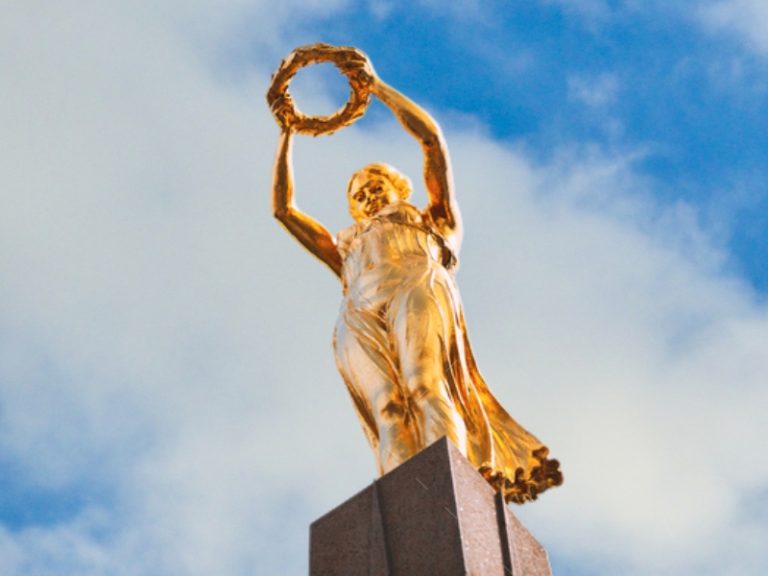
9Monument of Remembrance (Gëlle Fra)
The Gëlle Fra, or Golden Lady, stands on top of a tall obelisk on Place de la Constitution, above the Pétrusse valley. Created by the sculptor Claus Cito and unveiled in 1923, it honours the Luxembourgers who volunteered to fight in the First World War. The Nazi occupiers pulled it down in 1940, and it was later restored.
10Scenic CorridorFinish
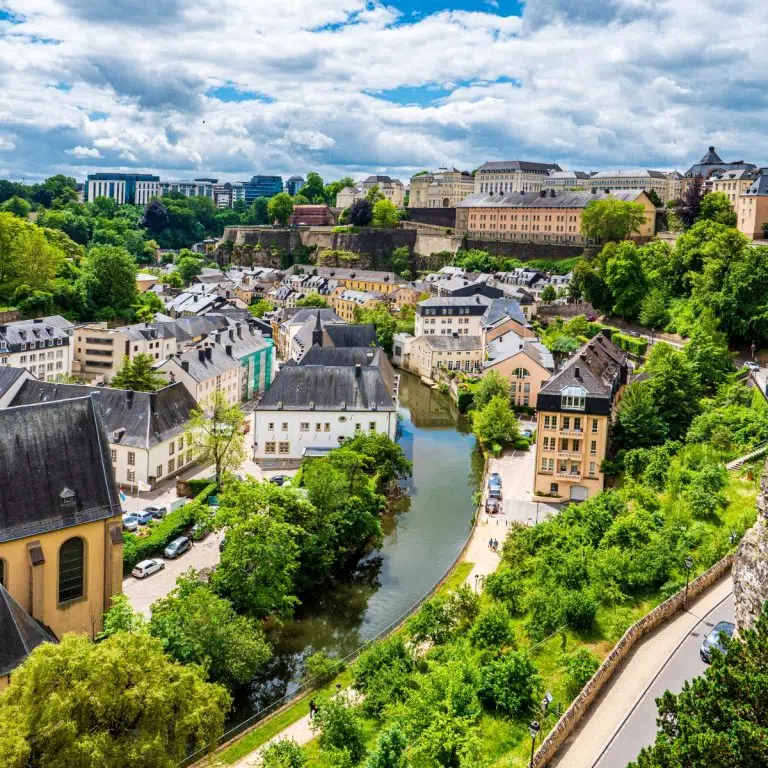
The route ends on a scenic stretch along the edge of the rocky plateau on which the old town was built. Here the former fortress walls drop steeply into the green valley below, and you can see why Luxembourg was once one of the strongest fortresses in Europe.
Only logged in customers who have purchased this product may leave a review.






Maurizio– Italy –
Collected on GetYourGuide
Attivit? simpatica proporzionata a quanto vedere nella citt? di Lussemburgo. Non essendo previsti free tour in italiano abbiamo optato per l’app e tutto sommato ne ? calda la pena