
Nestled along the scenic Meuse River in Belgium, the historic city of Dinant is celebrated for its dramatic Citadel, the iconic Collegiate Church, and the towering Bayard Rock. While these landmarks visually dominate the cityscape, the whispers of history also reveal a network of fortifications that once protected this strategic city. Among these, the Porte Salmier stands as a fascinating, albeit largely vanished, reminder of Dinant’s fortified past, echoing centuries of defense and urban life. Understanding the Porte Salmier in Dinant is to delve into the resilience and strategic importance of this captivating Walloon city.
A Historical Gateway: Names and Function
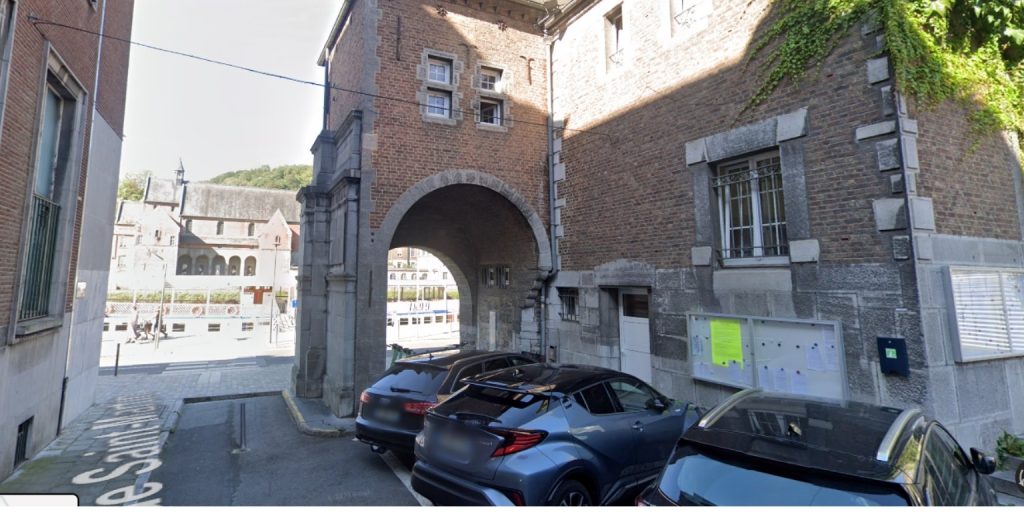
The Porte Salmier is not a grand, intact gate visible to the modern eye, but rather a historical city gate whose existence is recorded in archival documents and historical accounts. It is often cited as an alternative name for the Porte Saint-Martin, suggesting that these names might have been used interchangeably or referred to the same gateway complex that controlled access into the walled city from a specific direction, likely towards the northern or riverine approaches. The name “Salmier” itself might derive from local dialect, a family name, or a specific function associated with the gate or its vicinity, though its precise etymology is less clear than “Saint-Martin.”
Like all city gates in a medieval or early modern fortified town, the Porte Salmier served multiple critical functions:
- Defense: It was a primary point of resistance against invaders, equipped with heavy doors, possibly a portcullis, and guard posts. Dinant, with its valuable copper industry (“dinanderie”) and strategic location, was frequently besieged throughout its history, making such gates vital.
- Control and Taxation: The gate regulated the flow of people and goods into and out of the city, allowing authorities to monitor movement, collect tolls, and maintain order.
- Symbolic Entry: It marked the official boundary between the urban space and the outside world, serving as a symbolic threshold for arrivals and departures.
The most prominent historical references place the existence of a “Porte Salmier” or “Porte Saint-Martin” complex around the 17th century. This period was particularly tumultuous for Dinant, as it frequently became a battleground during conflicts involving various European powers, including the Prince-Bishopric of Liège, the French, and the Spanish. Such incessant warfare necessitated robust and continually adapted fortifications.
Integration within the City’s Defenses
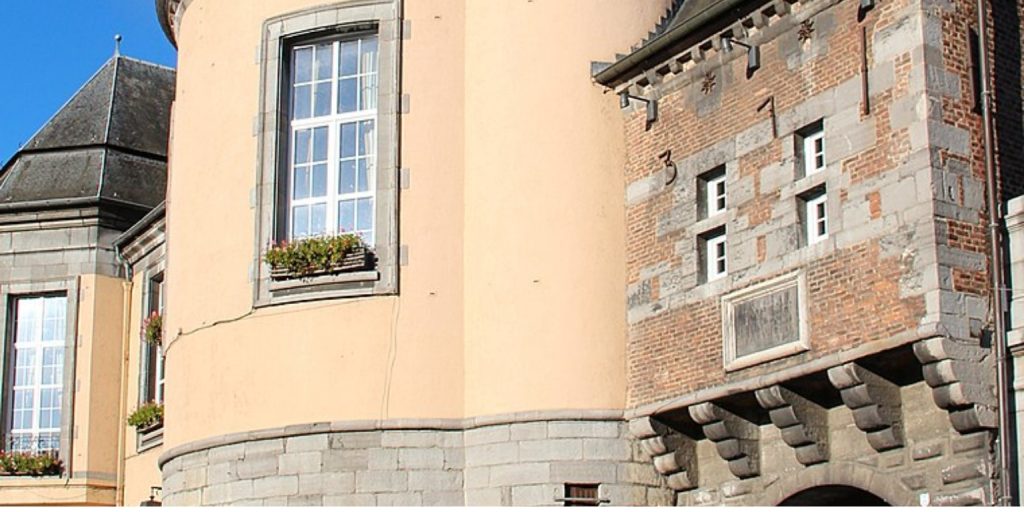
The Porte Salmier would have been an integral part of Dinant’s extensive city walls, which snaked along the contours of the Meuse River and climbed the lower slopes of the surrounding cliffs. While the mighty Citadel on the high cliff dominated the strategic overview, the city gates formed the immediate line of defense at ground level.
Historical accounts, such as requests from Ursuline nuns in the mid-17th century to connect their property to “la porte et tour Saint-Martin” (referring to the same complex), indicate that the gate was likely accompanied by a defensive tower. This suggests it was a fortified complex rather than a simple archway, designed to withstand sustained assault. The fortifications of Dinant were often integrated with existing urban structures, with houses and other buildings sometimes forming part of the defensive line or standing immediately behind it, creating a dense and interwoven urban fabric.
The Vanishing Act: Traces in Modern Dinant
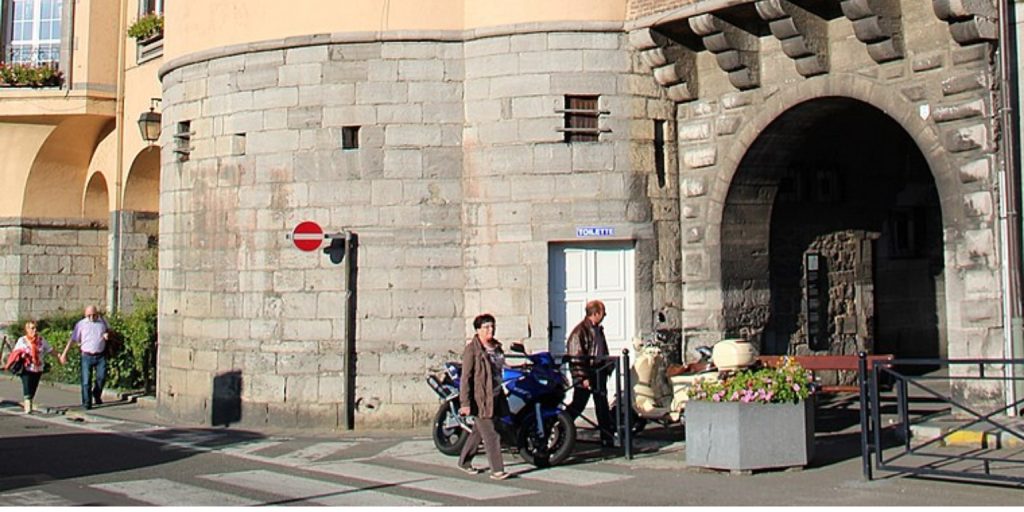
Today, visitors to Dinant seeking the Porte Salmier will find no grand, intact structure. Centuries of conflict, natural erosion, and urban development have conspired to erase most of Dinant’s lower city fortifications. The brutal destruction inflicted during conflicts such as the sack by Charles the Bold in 1466 and, more recently and devastatingly, the German atrocities in World War I (1914) left much of Dinant’s historic lower town in ruins. Buildings and defensive structures were often destroyed beyond recognition or redeveloped.
As a result, the Porte Salmier exists primarily in historical records, old maps, and the collective memory of local historians. It stands as a powerful symbol of a bygone era when Dinant was a continually fortified stronghold, perpetually preparing for siege. Its story is a poignant reminder of how cities evolve, how layers of history accumulate, and how even once-vital structures can disappear, leaving only their names to echo through time.
The Porte Salmier in Dinant, though no longer a physical gateway through which one can pass, remains a significant historical concept. It speaks to the city’s rich and often turbulent past, inviting us to imagine the bustling, defended lives of its inhabitants and the strategic importance of every entry point into this resilient and charming Belgian city on the Meuse.