
In the bustling Plaza de España of Santa Cruz de Tenerife, a prominent monument stands as a stark and powerful reminder of Spain’s complex 20th-century history. Known as the Monument to the Fallen (Monumento a los Caídos), this imposing structure is more than a simple memorial; it is a symbol of a divisive past, a relic of the Franco dictatorship, and the focal point of an ongoing national debate over historical memory and justice. A visit to the island is not complete without an understanding of this controversial landmark and the story it tells.
A Symbol of a Triumphant Regime
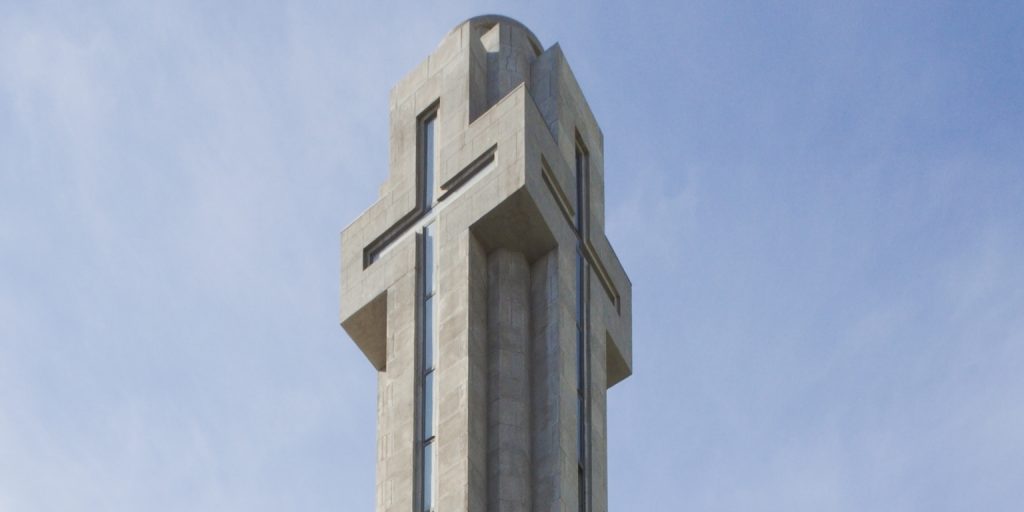
The Monument to the Fallen was constructed in the aftermath of the brutal Spanish Civil War (1936-1939). Its purpose, as conceived by the Franco regime, was to honor the soldiers from the Canary Islands who died fighting for the victorious Nationalist side. Inaugurated in 1949, the monument was an explicit tool of propaganda, designed to glorify the new political order and the men who fought for it. It was built as a triumphal arch-like structure, with a central concrete cross, its austere and monumental style reflecting the nationalist architecture of the time.
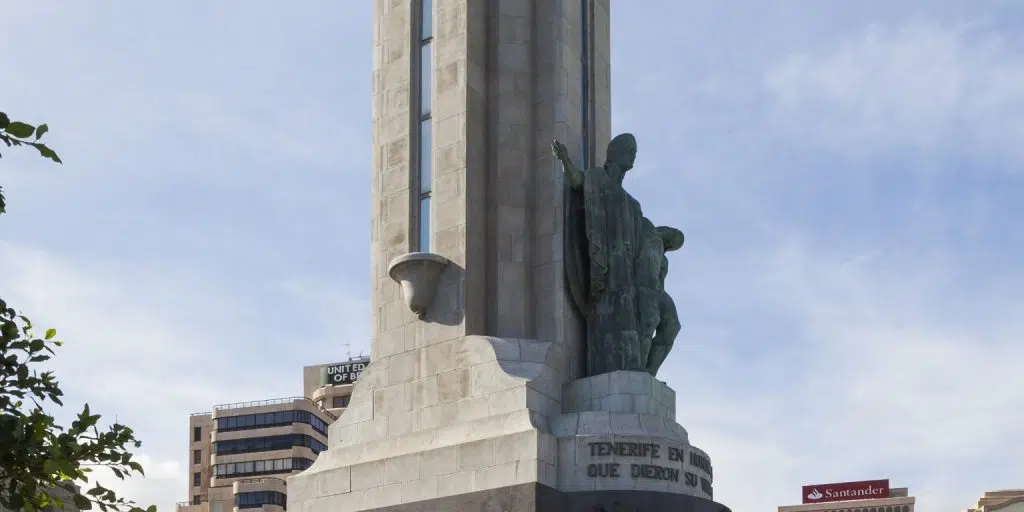
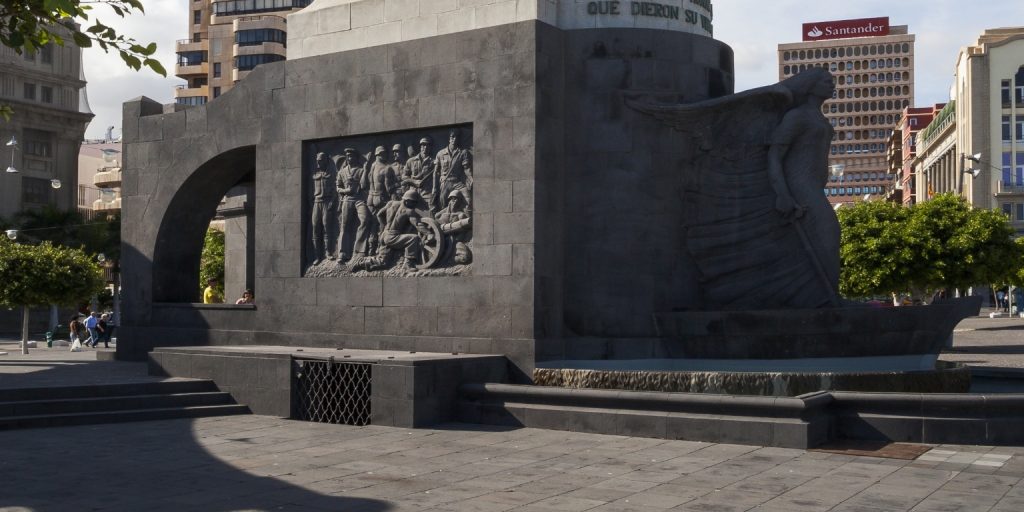
Designed by architect Tomas Machado Mendez and sculptor Enrique Cejas Zaldívar, the monument’s imposing presence was meant to be a constant, visible reminder of the sacrifices made for the regime’s cause. The figures carved into its base represent the heroic ideal of the Francoist soldier, standing in stark contrast to the modern, democratic society that has since emerged in Spain.
The Historical Memory Law and Public Debate
For decades, the Monument to the Fallen remained a silent, if not universally accepted, part of Santa Cruz de Tenerife’s urban landscape. However, with the transition to democracy and the passage of the Historical Memory Law (Ley de Memoria Histórica) in 2007, the monument’s status became a subject of intense public and political debate. The law sought to remove all public symbols of the Franco dictatorship and honor all victims of the Spanish Civil War, regardless of their political affiliation.
As a result, the monument is now seen by many as a painful and undemocratic relic. Its continued presence in a central public square is a source of controversy, with activists and politicians calling for its removal or, at the very least, its re-contextualization. The monument has been the site of numerous protests and has been defaced with graffiti calling for its demolition, reflecting the deep divisions that still exist in Spanish society over the legacy of the Civil War. In a step towards compliance with the law, the city has removed some of the original plaques and symbols that explicitly glorified the Franco regime, but the core structure remains.
A Landmark for Reflection
Today, the Monument to the Fallen stands as a fascinating and challenging landmark. For visitors to Tenerife, it offers a rare opportunity to engage with a difficult but essential part of modern European history. While it may not be a tourist attraction in the same way as a beach or a volcano, its historical significance makes it a must-see for anyone interested in politics, social justice, and the power of public memory.
The ongoing debate over the monument’s future encapsulates the broader struggle of a nation coming to terms with its past. It serves as a reminder that history is not static; it is a living process, constantly being re-evaluated and reinterpreted. The Monument to the Fallen in Santa Cruz de Tenerife is a testament to this process, a concrete symbol of a dictatorship’s legacy and the democratic effort to build a more just and inclusive future.