
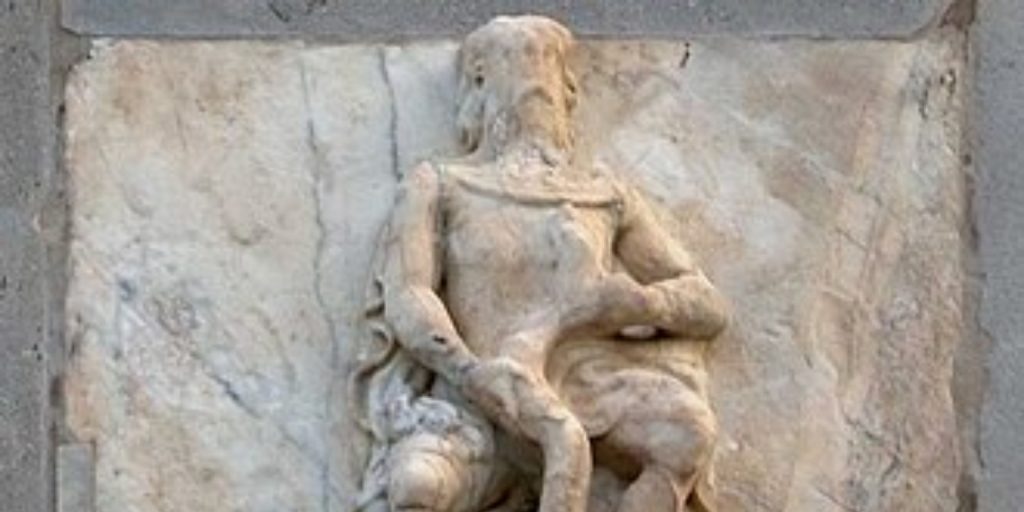
Upon arriving in the bustling city of Palermo by sea, travelers are greeted by an extraordinary and enigmatic statue, the Genius of the Port (Genio del Porto). This ancient high-relief carving is far more than a simple piece of art; it is a profound and mysterious symbol of the city itself. Known as the Genio di Palermo, this figure is the city’s secular patron, a mythological guardian whose image is scattered throughout the city, each statue telling a different part of a captivating story. The Genius of the Port in Palermo is arguably the most significant of these, as it is believed to be the oldest representation of the city’s timeless spirit.
The Enigmatic Guardian
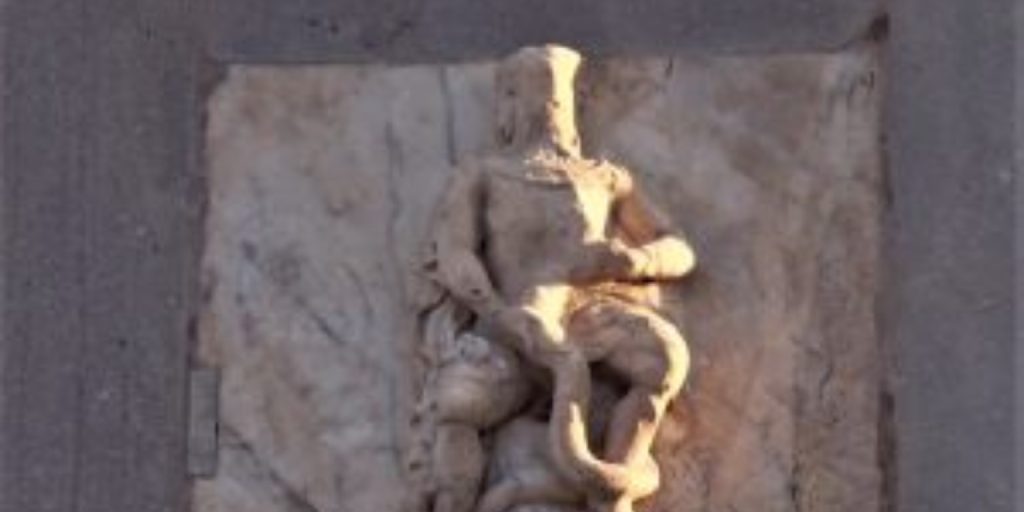
The Genius of the Port in Palermo is one of the most intriguing figures in Sicilian mythology. He is typically depicted as a mature, bearded man with a crown, but his most striking feature is the serpent coiled around his body, feeding from his chest. This powerful and unsettling image is rich with symbolism. The snake, a universal symbol of life, knowledge, and rebirth, represents the cyclical nature of Palermo’s history. By allowing the snake to feed from him, the Genius embodies the city’s resilience and its ability to nourish and sustain not only its own people but also outsiders.
A famous Latin inscription, found on one of the other Genius statues in the city, encapsulates this idea perfectly: “Panormus conca aurea suos devorat alienos nutrit” (“Palermo, the golden basin, devours its own and feeds foreigners”). This ancient motto speaks to the city’s complex history as a port and a crossroads of cultures, where it has both consumed its own resources and generously embraced those from abroad. The Genius, therefore, is a personification of Palermo’s identity as a generous and enduring city.
The Oldest of Them All
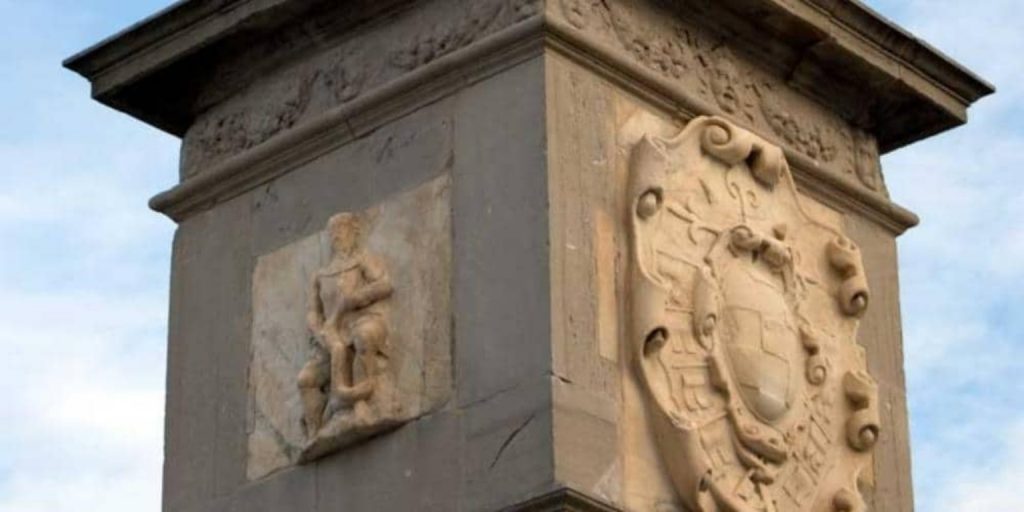
While there are at least eight different representations of the Genius of Palermo scattered across the city, the Genius of the Port is believed to be the most ancient. Its exact origins are unknown, but scholars suggest it may date back to the Punic or Roman era, or even earlier, linking it to the city’s Phoenician roots. For centuries, this relief was part of a larger monument at the old port, where it served as a welcome and a warning to all who arrived by sea. In 2000, it was moved to its current location at the entrance of the modern tourist port, ensuring that it remains the first face to greet newcomers.
The very presence of the statue at the port is a testament to the Genius’s role as a guardian of the city’s prosperity and a protector of its people. Unlike the city’s religious patron, Santa Rosalia, the Genius represents the civic and secular soul of Palermo—the spirit of its inhabitants, its resilience in the face of conflict, and its enduring hospitality. It has been a symbol of rebellion and freedom, particularly during the 1848 Sicilian revolution, when the statue in Piazza Rivoluzione became a rallying point for the people.
A City’s Enduring Emblem
For a city with a history as long and varied as Palermo’s, it is fitting that its emblem is a figure of myth and mystery rather than a single historical person. The Genius-of-the-Port-in-palermo and its other manifestations serve as a constant reminder of the city’s unique identity. They are a treasure map for visitors, inviting them to wander through squares and palaces to discover each representation and piece together the larger story of Palermo’s soul.
From the ancient relief at the port to the fountains and frescoes found elsewhere, the Genius is an emblem of self-sacrifice, resilience, and a welcome to the world. It is a symbol that resonates with the Palermitan people, embodying their fierce pride and their enduring spirit. To understand the Genius is to begin to understand Palermo—a city that is both ancient and modern, chaotic and beautiful, and always, truly, itself.