What is the London scavenger hunt?
The London scavenger hunt is a self-guided city game you play on your phone: you walk through Westminster, solve a riddle at each of 10 landmark stops and unlock the stories behind them. It takes about 3 hours, with roughly 58 minutes of actual walking over 4.4 km, and you start whenever you like.
Highlights include Big Ben and the Thames, the Palace of Westminster, Westminster Abbey and Buckingham Palace, before the route heads to Waterloo Place, Admiralty Arch and Trafalgar Square. Westminster is compact and mostly flat, with royal parks, river views and grand squares close together, so it is easy to explore on foot between the riddles.
- Durationabout 3 hours
- Walkingabout 58 min · 4.4 km
- Stops10
- LanguagesEnglish, German, French, Italian, Spanish, Dutch
How the hunt works in Westminster
One riddle per stop
Each of the 10 stops holds a single riddle, and the answer is somewhere in front of you: a name cut in stone, a date on a plinth, a figure standing on a lawn. Looking and reasoning get you through, so there is nothing to read up on first.
Find out what you are looking at
A solved riddle opens the stories of the stop: which statesmen were given the lawn of Parliament Square, which cannon captured at Sevastopol went into the Guards memorial, the legend of the small nose tucked inside Admiralty Arch. Audio narration reads all of it to you if you would rather listen.
Westminster on foot
Google Maps carries you from stop to stop: 58 minutes of walking in total and 4.4 km from the Thames to the park and on to Nelson's Column. There is not a single climb on the way.
Your own pace
Nothing is timed and nobody is waiting on you. Break for tea by the lake, pick the game up hours later or on a different day, and put the stops in another order in the app if your hotel sits elsewhere.
See the route and attractions →
How it works
- Book online Choose the number of players. Your booking reference arrives by email straight away.
- Get the app Download the World City Trail app from the App Store or Google Play and enter your booking reference.
- Play when you like Start whenever you are ready, walk at your own pace and pause any time. No guide, no fixed schedule.
Who the London hunt is for
Day one in Westminster
Parliament, the abbey, the park and Buckingham Palace fall on one 4.4 km line, with a reason to stand still at each of them. You leave Westminster knowing what you walked past, instead of only having photographs of it.
Families with children
Children are often first to the answer, because the clues are things to spot, down to the pelicans on the lake in St James's Park. An adult has to play along, and the riddles leave room for everyone to have a go.
Friends and colleagues
Teams of up to 5 players each play on their own phone, so a group of friends or an office outing splits up and compares answers in Trafalgar Square. The route runs over public streets and parks throughout, which leaves nothing to reserve.
Good to know
- Bring a charged smartphone with mobile data; a power bank helps.
- No entry tickets needed: everything happens outside the buildings. Going inside is optional and paid separately.
- Family friendly; children must be accompanied by an adult.
- Not suitable for wheelchair users and difficult with strollers.
- Teams of up to 5 work best; bigger groups split into several teams, one ticket per player.
- Every purchase helps support stray cats and dogs in Greece.
The route: from the Thames through St James's Park to Nelson's Column
10 stops · about 58 min walking · start: Westminster Station · finish: Trafalgar Square
The hunt starts at Westminster Station, right beside Big Ben and the Thames, and continues to Parliament Square Garden, the Palace of Westminster and Westminster Abbey. From there you cross St James's Park to Buckingham Palace, walk back along The Mall and up the Duke of York Steps to Waterloo Place, then pass through Admiralty Arch and finish in Trafalgar Square. Because all ten riddles are read off the outside of these buildings, nobody has to buy a ticket to get through the hunt, and if you are staying nearer Trafalgar Square you can turn the whole route around in the app and begin there.
Open the route map ↗
1Westminster StationStart
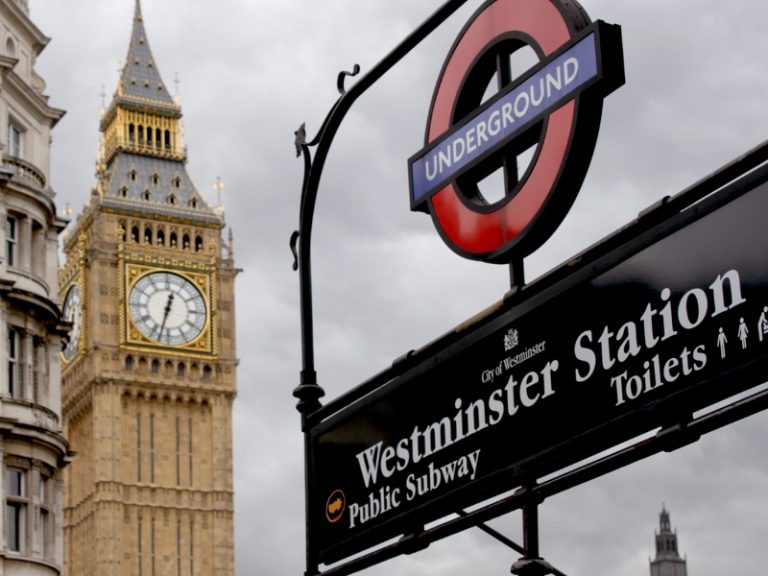
Westminster Station opened in 1868 as Westminster Bridge on the District Railway and took its present name in 1907. The Jubilee line platforms, opened in 1999 and designed by Michael Hopkins, sit in a 39-metre-deep box of concrete and steel beneath Portcullis House, the parliamentary office building above.
2Big Ben and the Thames
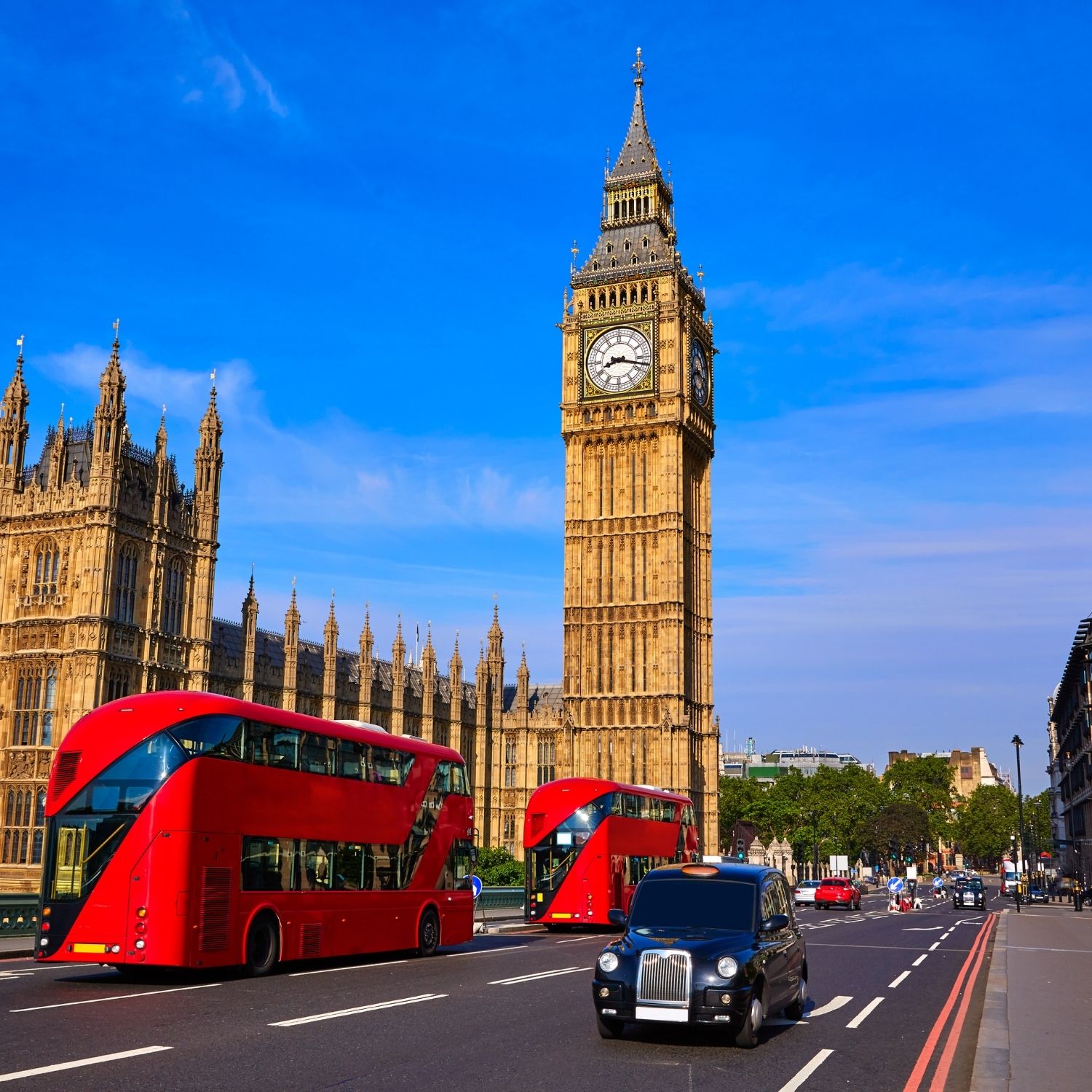
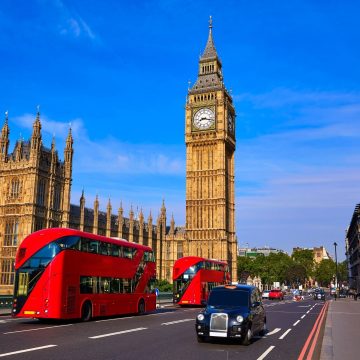
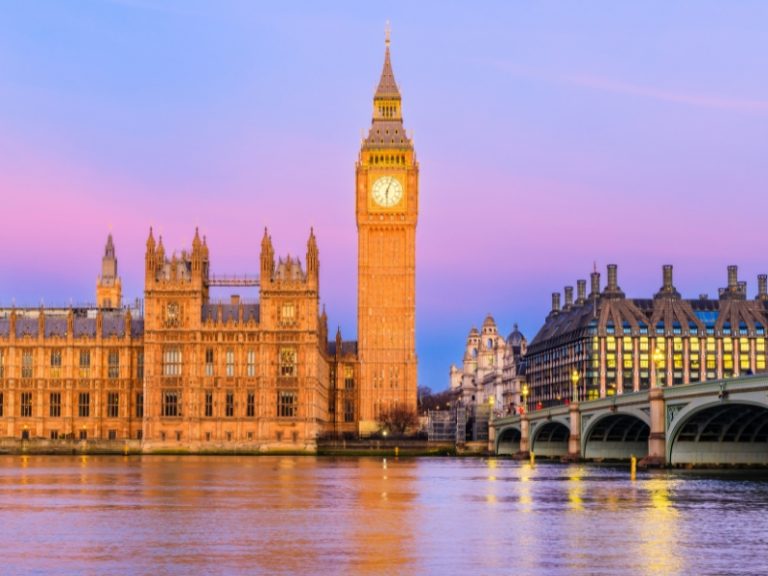
Big Ben is the nickname of the Great Bell inside the 96-metre clock tower designed by Augustus Pugin and completed in 1859. The tower was renamed Elizabeth Tower in 2012 for Queen Elizabeth II's Diamond Jubilee, and the classic view across the Thames is from Westminster Bridge.
3Parliament Square Garden
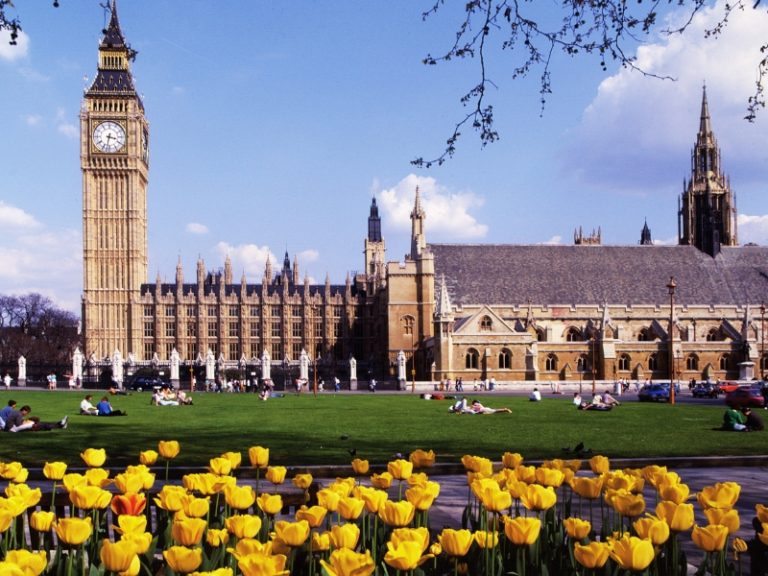
Parliament Square was laid out in 1868 to open up the space in front of the new Houses of Parliament, and its lawn is lined with statues of statesmen. Winston Churchill has faced Parliament since 1973, and Nelson Mandela, Mahatma Gandhi and Millicent Fawcett, in 2018 the first woman honoured with a statue here, joined him later.
4Palace of Westminster
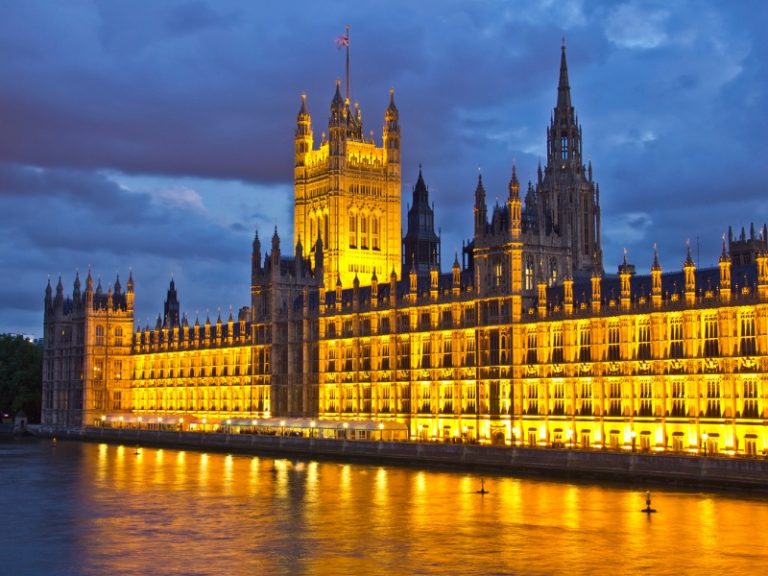
The seat of the UK Parliament was rebuilt in Gothic Revival style by Charles Barry and Augustus Pugin after a fire destroyed most of the old palace in 1834. Westminster Hall, built in 1097 for William II, survived the blaze, and today the palace has more than 1,100 rooms.
5Westminster Abbey
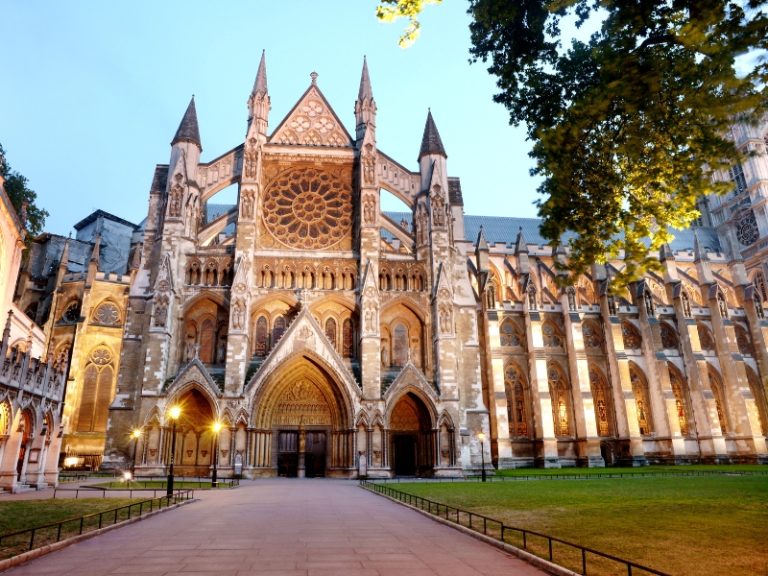
Almost every English and British monarch since William the Conqueror in 1066 has been crowned here, and the present Gothic church was begun by Henry III in 1245. Isaac Newton and Charles Darwin are buried inside, and the Tomb of the Unknown Warrior lies just inside the Great West Door.
6St James's Park
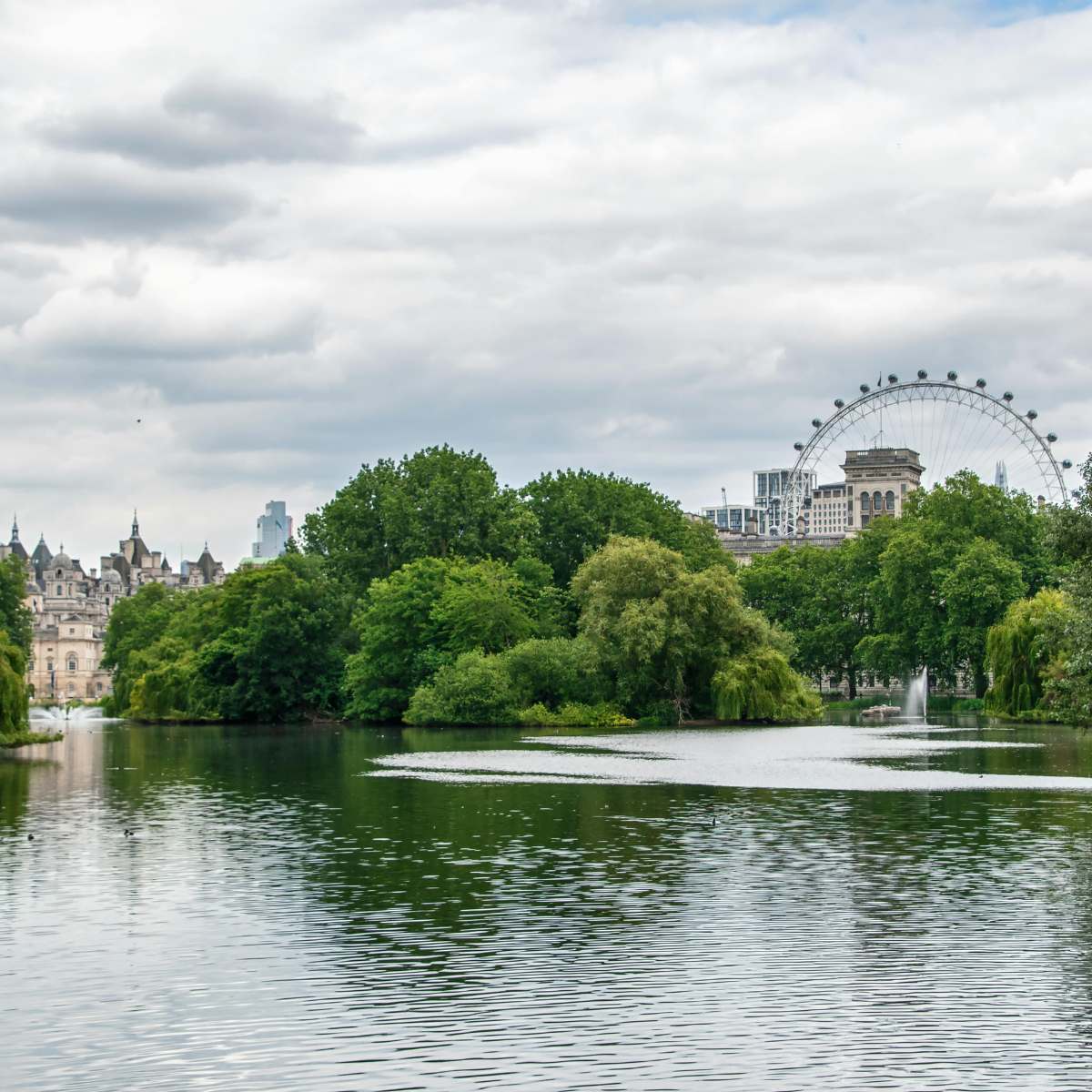
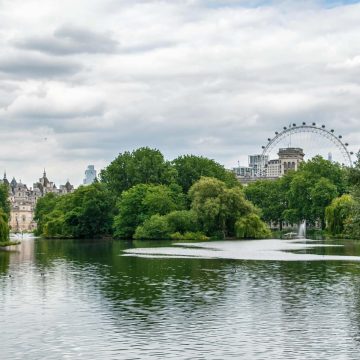
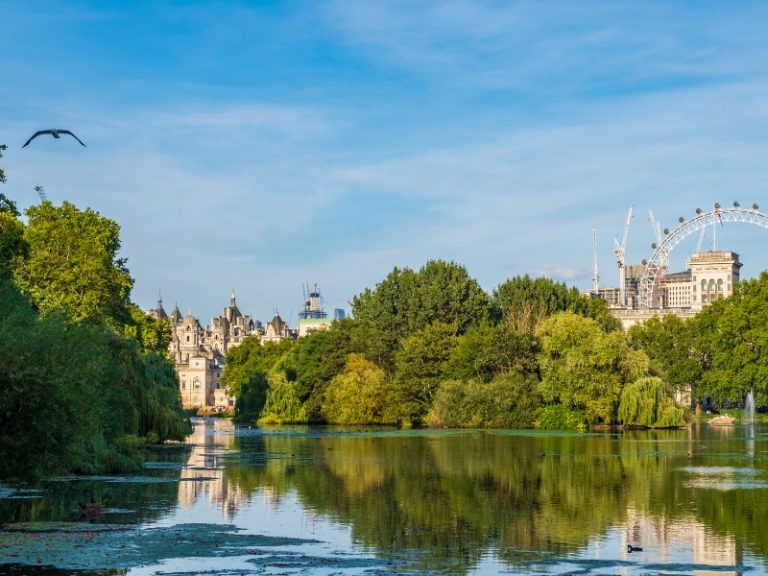
Henry VIII bought this marshy land in 1532 and turned it into a deer park, and Charles II later had it redesigned with a long ornamental canal, today's lake. The park's pelicans go back to a gift from a Russian ambassador in 1664, and from the Blue Bridge you see Buckingham Palace through the trees.
7Buckingham Palace
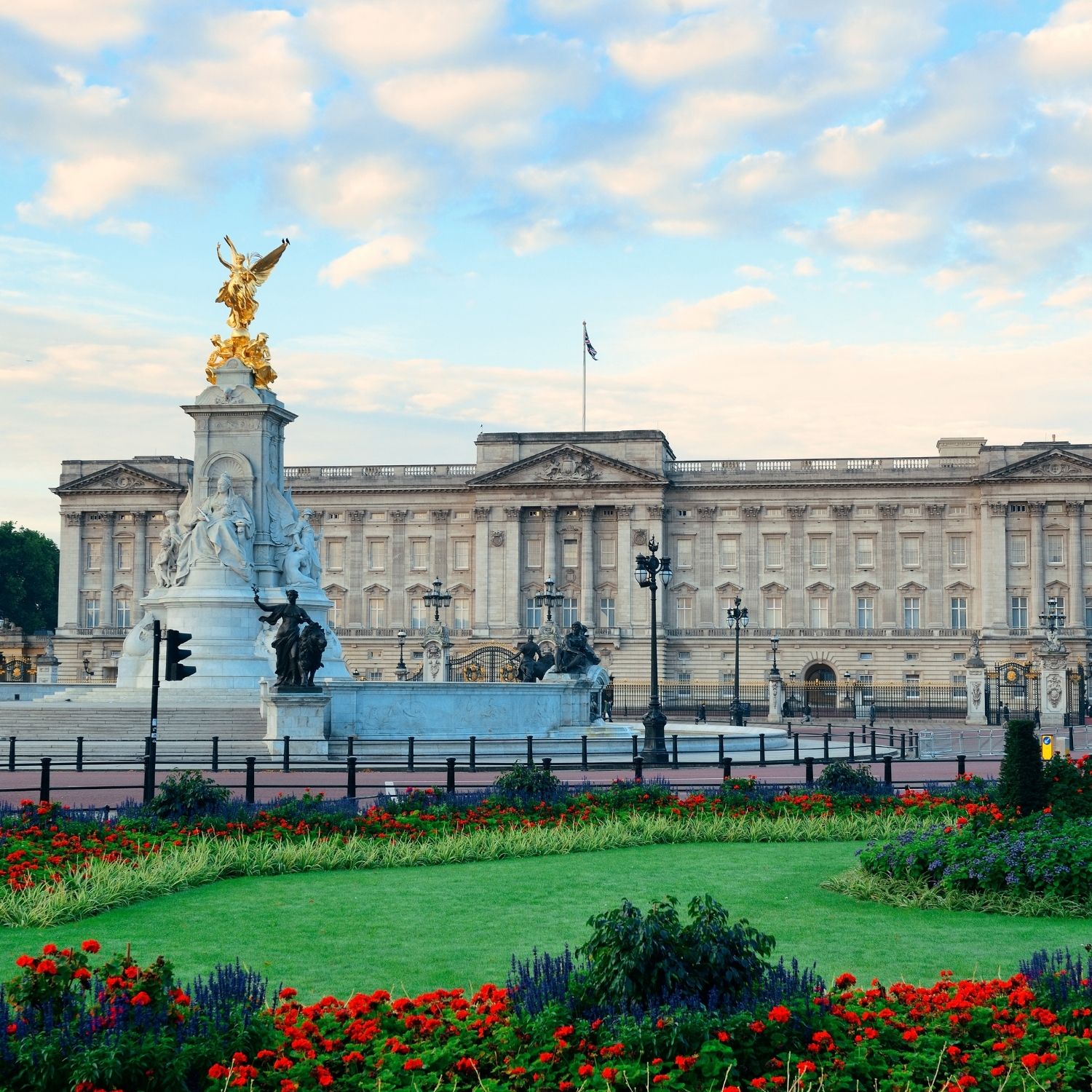
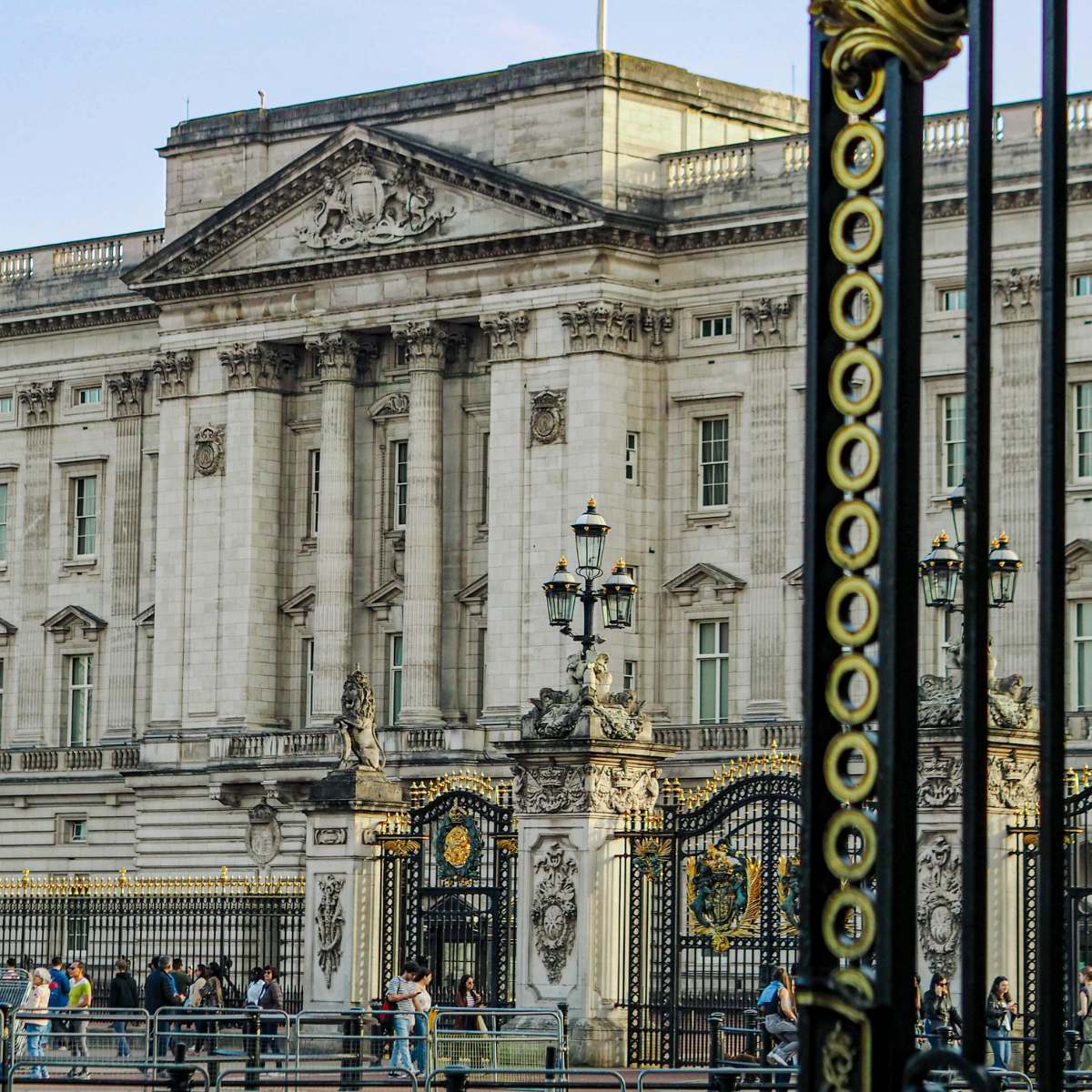
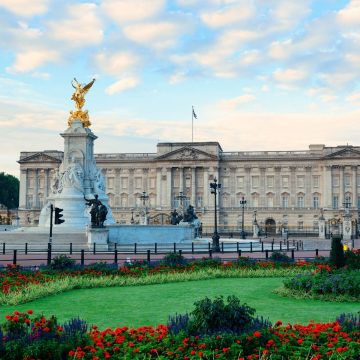
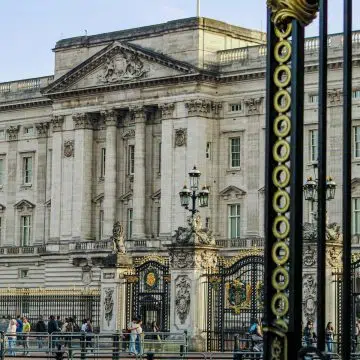
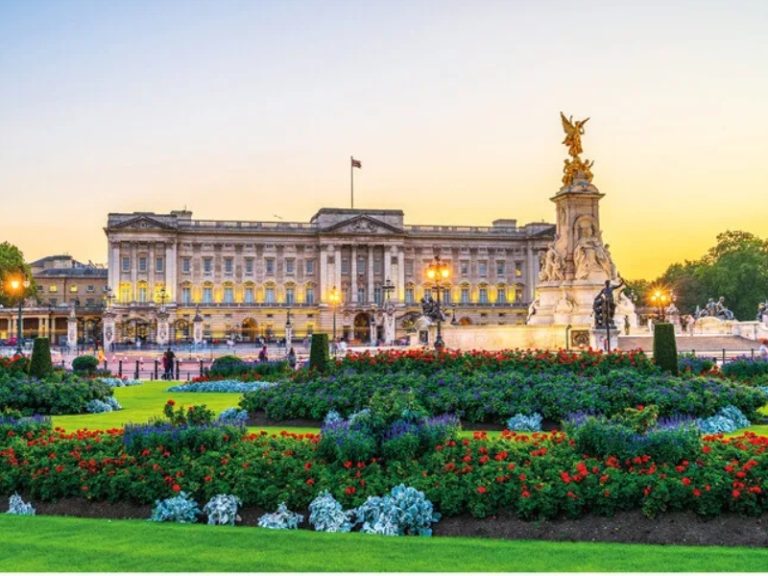
The palace began as Buckingham House, built in 1703 for the Duke of Buckingham, and George III bought it in 1761. Queen Victoria was the first monarch to live here, from 1837, and the east front with the famous balcony was refaced by Aston Webb in 1913, behind the Victoria Memorial.
8Waterloo Place
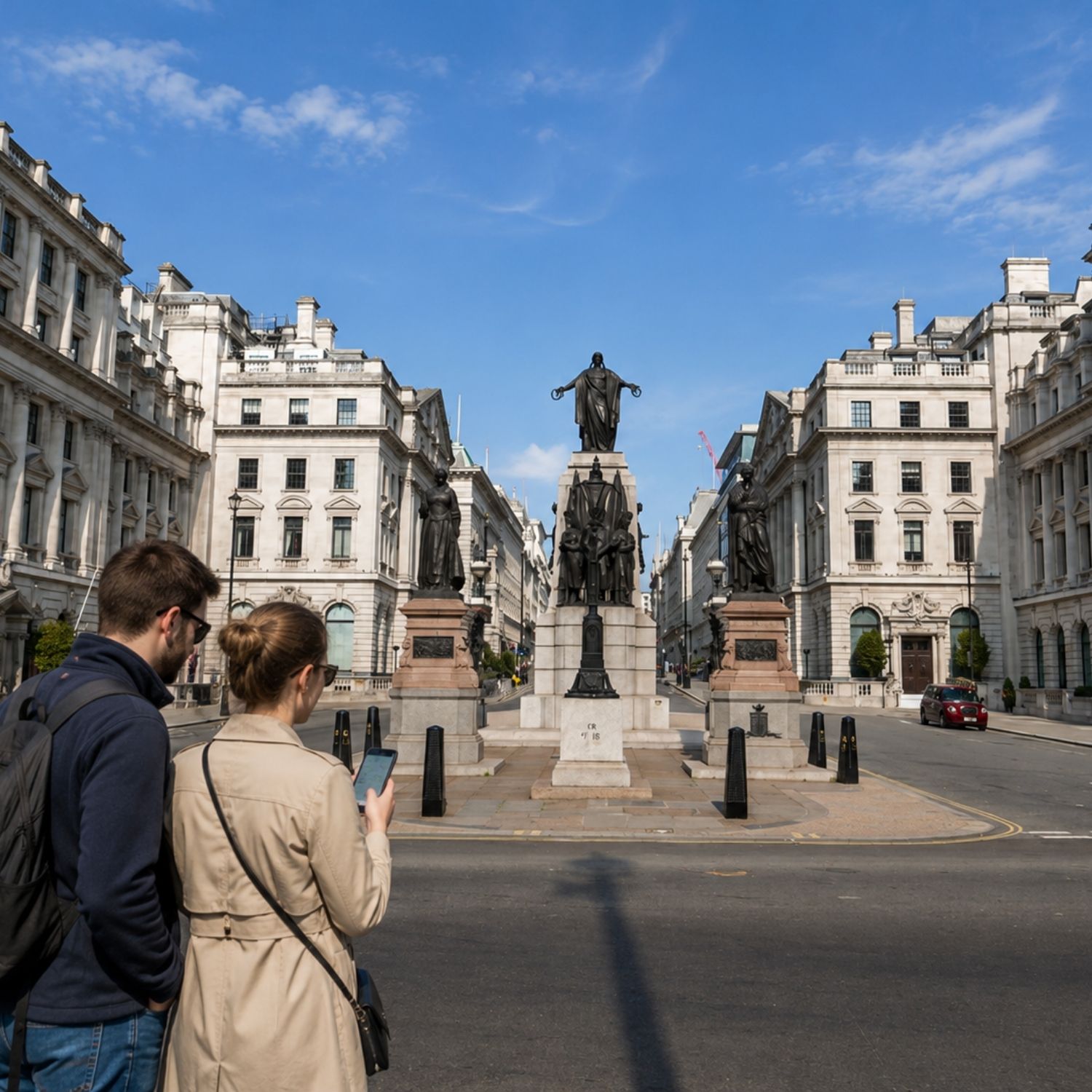
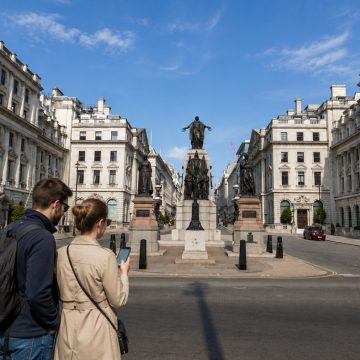
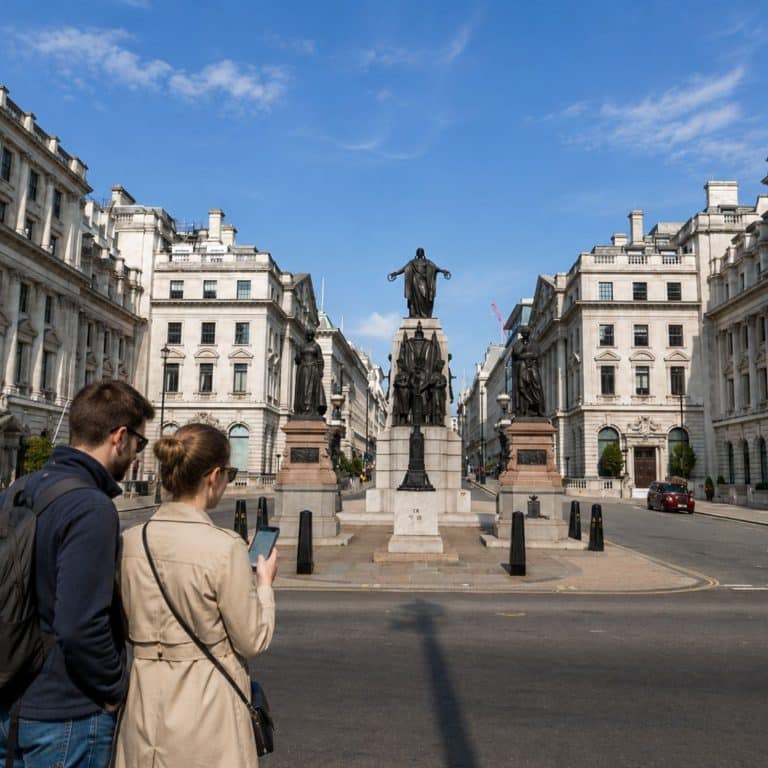
Named after the 1815 victory over Napoleon, Waterloo Place is lined with memorials. The Duke of York Column, topped in 1834 by Richard Westmacott's statue of George III's second son, rises above the steps, and the Guards Crimean War Memorial of 1861 was cast partly from cannon captured at Sevastopol, with statues of Florence Nightingale and Sidney Herbert beside it.
Read the full story →
9Admiralty Arch
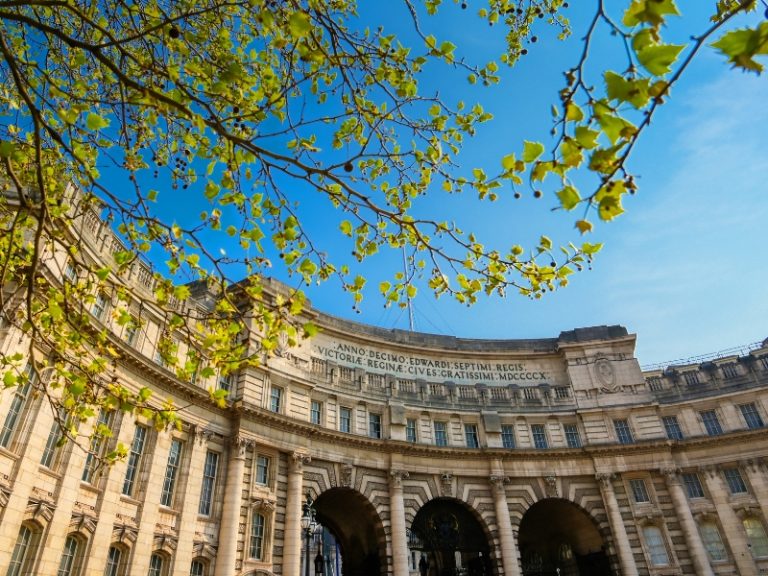
Aston Webb designed this triple arch as a memorial to Queen Victoria, commissioned by her son Edward VII and completed in 1912, and it frames the ceremonial route along The Mall to Buckingham Palace. It takes its name from the neighbouring Admiralty, and according to a popular legend the small nose on the inside wall of one arch is a tribute to the Duke of Wellington.
Read the full story →
10Trafalgar SquareFinish
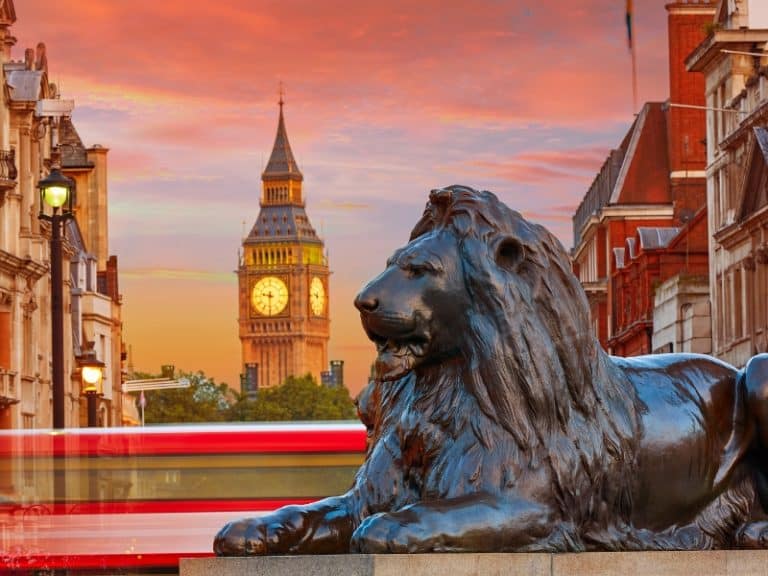
Named after Nelson's naval victory of 1805, the square was laid out by Charles Barry from 1840, with Nelson's Column completed in 1843 and Edwin Landseer's four bronze lions added in 1867. The National Gallery fills the north side, and since 1999 the Fourth Plinth has shown changing works of contemporary art.
Only logged in customers who have purchased this product may leave a review.






555 reviews for London Scavenger Hunt and Self-Guided Tour
There are no reviews yet.