
Table of Contents
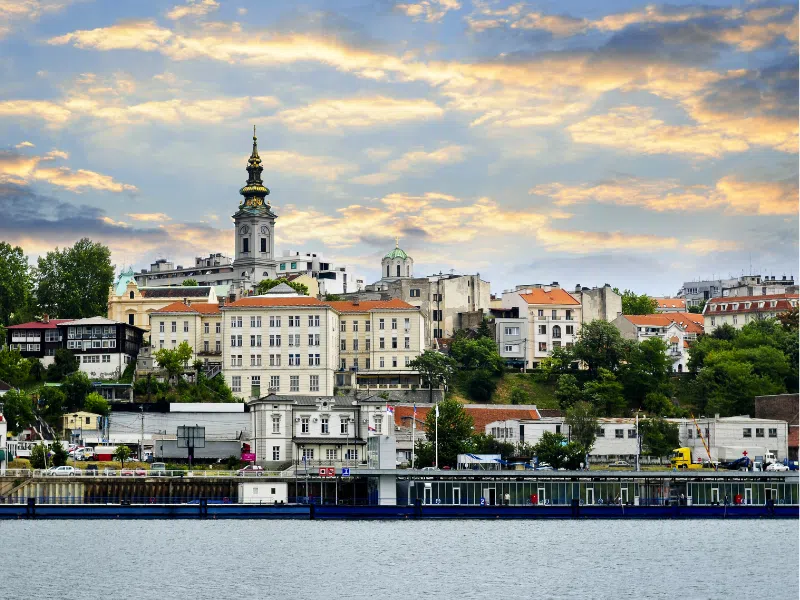
A mix of architectural styles, from medieval fortresses to contemporary skyscrapers
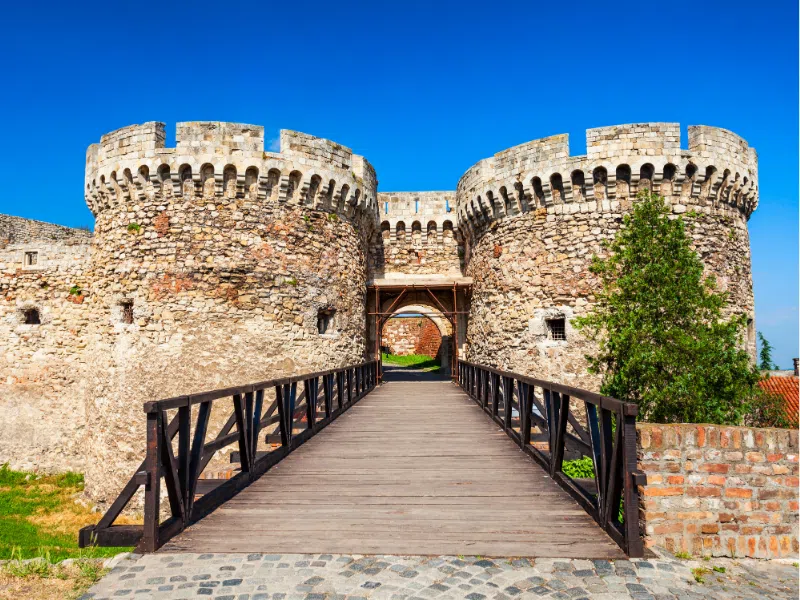
Belgrade, the capital of Serbia, is a vibrant city with a rich history and a modern atmosphere. Situated at the confluence of the Sava and Danube rivers, it’s a crossroads of European cultures. Belgrade boasts a mix of architectural styles, from medieval fortresses to contemporary skyscrapers. Visitors can explore historical landmarks like Kalemegdan Fortress, enjoy lively nightlife in the bohemian district of Skadarlija, or relax in the city’s numerous parks. With its unique blend of old and new, Belgrade offers a captivating experience for travelers.
Key Features of Belgrade
- Rich History: Belgrade’s strategic location at the confluence of the Sava and Danube rivers has made it a crossroads of civilizations for centuries. This rich history is reflected in its numerous historical landmarks.
- Vibrant Culture: The city boasts a vibrant cultural scene, with a variety of museums, theaters, and galleries showcasing the country’s artistic heritage.
- Lively Nightlife: Belgrade is renowned for its lively nightlife, with a wide range of bars, clubs, and restaurants catering to all tastes.
- Stunning Architecture: The city’s architecture is a fascinating blend of styles, from medieval fortresses to modern skyscrapers, reflecting its diverse history.
- Beautiful Natural Surroundings: Belgrade is surrounded by beautiful natural landscapes, including parks, forests, and rivers, offering opportunities for outdoor activities and relaxation.
- Affordable Cost of Living: Compared to many Western European cities, Belgrade offers a relatively affordable cost of living, making it an attractive destination for travelers and expats.
- Friendly People: Belgrade is known for its friendly and welcoming people, who are always eager to share their culture and traditions with visitors.
Fun Facts About Belgrade
- A City of Many Names: Belgrade has changed its name over 15 times throughout history, reflecting its tumultuous past.
- River Island Paradise: Belgrade is home to 16 river islands, including Ada Ciganlija, a popular recreational area with beaches, parks, and sports facilities.
- The World’s Largest Orthodox Church: The Church of Saint Sava, located in Vračar, is the largest Orthodox church in the world.
- A City of Cats: Belgrade is known as a “cat city,” with numerous stray cats roaming the streets. Many locals have even adopted these felines as their own.
- The Birthplace of Nikola Tesla: The world-renowned inventor Nikola Tesla was born in Smiljan, Croatia, but spent much of his childhood in Belgrade.
- A Nightlife Capital: Belgrade has been recognized as having one of the best nightlife scenes in the world, with countless bars, clubs, and splavs (floating restaurants and nightclubs) along the Danube River.
- A City of Festivals: Belgrade hosts a variety of festivals throughout the year, including the Belgrade Beer Fest, the EXIT Festival, and the Belgrade Film Festival.
- A History of Winemaking: Winemaking has a long history in Belgrade, and the surrounding region produces high-quality wines, especially white varieties.
- A City of Contrasts: Belgrade is a city of contrasts, with ancient historical sites juxtaposed with modern skyscrapers and bustling nightlife.
- A City of Sports: Belgrade is a major sports city, with popular teams in soccer, basketball, and volleyball.
Local Legends of Belgrade
The Legend of Princess Kosaara
One of the most beloved legends of Belgrade is that of Princess Kosaara. According to the tale, Kosaara was a beautiful princess who fell in love with a young shepherd. When her father, the king, discovered their love, he banished the shepherd. Heartbroken, Kosaara climbed to the top of the fortress Kalemegdan and threw herself into the Danube River. The spot where she jumped is now known as “Kosaara’s Jump” and is considered a sacred place.
The Legend of the White Dove
Another popular legend tells of a white dove that appeared to a group of Serbian soldiers during a siege of Belgrade. The dove flew over the city, inspiring the soldiers to fight with renewed courage. The Serbs eventually defeated the enemy, and the white dove is now considered a symbol of hope and victory.
The Legend of the Demon of Kalemegdan
There are many legends associated with Kalemegdan Fortress, one of the most famous being the legend of the Demon of Kalemegdan. According to the tale, a powerful demon guards the fortress, and anyone who tries to harm it will be cursed. Some people believe that the demon can still be heard at night, howling and wailing from the depths of the fortress.
The Legend of the Phantom Horseman
Another legend tells of a phantom horseman who can be seen riding through the streets of Belgrade at night. Some say that he is the ghost of a nobleman who was killed in a duel, while others believe that he is the spirit of a fallen soldier. The phantom horseman is said to bring bad luck to anyone who crosses his path.
These are just a few of the many legends that have been passed down through generations in Belgrade. These tales offer a glimpse into the city’s rich history and cultural heritage, and continue to captivate the imagination of locals and visitors alike.

What about the history of Belgrade?
Early History
- Celtic Settlement: The earliest known settlement in the area dates back to the 3rd century BC, when a Celtic tribe called the Scordisci established a fortified city named Singidunum.
- Roman Conquest: In 29 BC, the Roman Empire conquered the region and renamed the city Singidunum. It became an important military outpost and a thriving commercial center.
- Migration Period: After the fall of the Roman Empire, the area was invaded by various nomadic tribes, including the Huns, Avars, and Slavs. The Slavs eventually settled in the region and established the Serbian state.
Medieval Belgrade
- Serbian Capital: Belgrade became the capital of the Serbian Kingdom in the 13th century. It played a crucial role in the Serbian Empire’s rise to power.
- Ottoman Conquest: In 1521, the Ottoman Empire conquered Belgrade, and it remained under Ottoman rule for nearly four centuries.
- Habsburg Rule: In 1717, the Habsburg Empire captured Belgrade, but it was returned to the Ottomans in 1739.
- Austrian Rule: In 1789, the Austrians captured Belgrade once again, and it remained under Austrian rule until 1813.
Modern Belgrade
- Serbian Independence: In 1813, Serbia declared independence from the Ottoman Empire and began a long struggle for recognition.
- Kingdom of Serbia: In 1882, Serbia was proclaimed a kingdom. Belgrade continued to grow and develop as a modern city.
- World Wars: Belgrade played a significant role in both World Wars. It was heavily bombed during World War II and suffered extensive damage.
- Yugoslavia: After World War II, Belgrade became the capital of the newly formed Socialist Federal Republic of Yugoslavia.
- Serbian Capital: Following the dissolution of Yugoslavia in the 1990s, Belgrade became the capital of Serbia and Montenegro.
- Modern Day: Today, Belgrade is a vibrant city with a rich history and a bright future. It continues to play an important role in the Balkans and is a popular tourist destination.
Must-Try Food in Belgrade
Traditional Serbian Cuisine
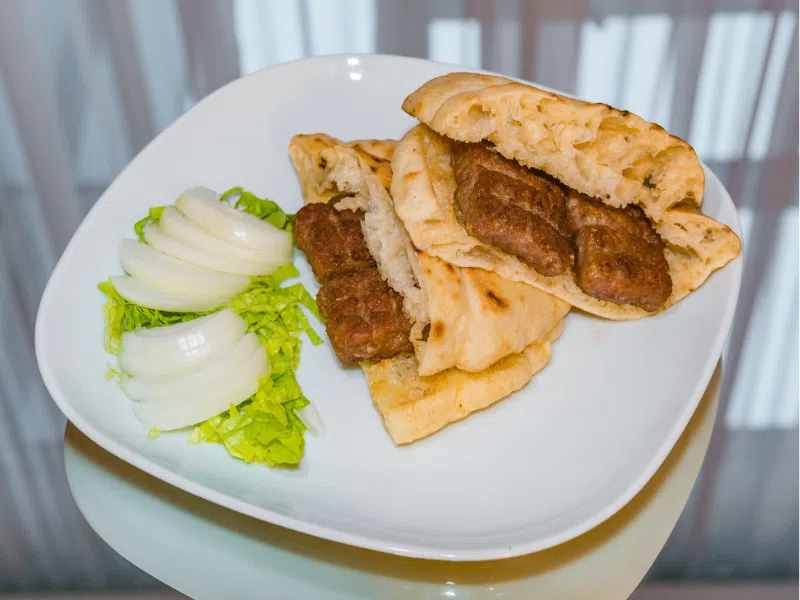
- Ćevapi: These grilled minced meat rolls are a Serbian staple, often served with onions, ajvar (red pepper paste), and lepinja bread.
- Pljeskavica: A grilled ground meat patty, similar to a hamburger, often topped with kajmak (a creamy cheese), onions, and tomatoes.
- Sarma: Cabbage rolls stuffed with minced meat and rice, usually served with sauerkraut.
- Rista: A hearty stew made with beef, vegetables, and spices.
- Pita: A flaky pastry filled with various ingredients, such as cheese, spinach, or meat.
Local Specialties
- Ajvar: A red pepper paste that is a staple in Serbian cuisine, often served as a spread or condiment.
- Kajmak: A creamy cheese that is often used as a topping for various dishes.
- Rakija: A strong alcoholic beverage made from fruits, such as plums or grapes.
Don’t miss:
- Skadarlija: A bohemian district with numerous traditional restaurants serving Serbian cuisine.
- Zemun: A charming neighborhood with a variety of restaurants offering both Serbian and international dishes.
- Farmers’ Markets: Visit a local farmers’ market to sample fresh produce, cheeses, and other local delicacies.
Must Visit Attractions in Belgrade
Republic Square, the heart of the city, is a bustling hub surrounded by iconic buildings, including the National Theatre and the National Museum. The National Theatre is a grand neoclassical building showcasing a diverse range of performances, while the National Museum houses an impressive collection of art, artifacts, and historical exhibits.
For educational enthusiasts, the Educational Institution of Belgrade and the University of Belgrade offer insights into the city’s academic and intellectual landscape. Studentski Park is a popular gathering place for students and locals, providing a serene oasis in the city center.
History buffs will appreciate visiting the Place where The City Keys were handed over to The Serbs in 1867, a significant landmark commemorating Serbia’s independence. The Monument of Gratitude to France is a tribute to the French support during the Serbian struggle for independence.
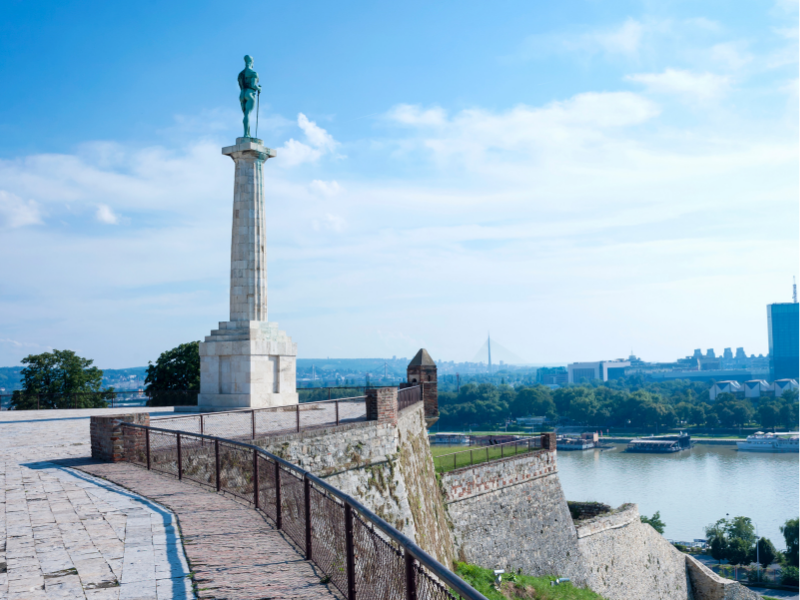
For those seeking architectural beauty, the Royal Gate is a stunning triumphal arch adorned with intricate sculptures. And finally, the The Victor statue, a towering monument dedicated to Serbian soldiers who fought in World War I, stands as a symbol of the city’s resilience and national pride.
This walking tour will take you through the heart of Belgrade, allowing you to experience the city’s rich history, stunning architecture, and cultural significance.
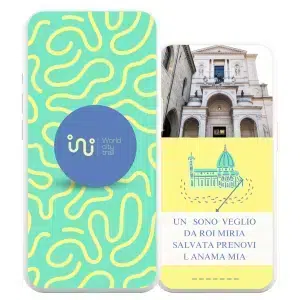
Explore Belgrade with World City Trail
Embark on an unforgettable journey through the enchanting city of Belgrade with World City Trail. Our interactive walking tour combines the thrill of exploration with the rich history and culture of this beatiful city.
Key Features:
Interactive gameplay: Solve engaging puzzles and challenges as you explore the city.
Iconic landmarks: Discover famous attractions like the National Theatre and the National Museum
Hidden gems: Uncover lesser-known spots, such as the Monument of Gratitude to France or the Royal Gate
Cultural insights: Learn about Belgrade’s fascinating history.
Flexibility: Explore at your own pace and create your own itinerary.
Learn more fun facts about Belgrade!
Book your Belgrade adventure today and experience the magic of this beatiful city.
Further reading on Wikipedia: Keys Handover Memorial