
Table of Contents
A stunning medieval architecture and rich cultural heritage
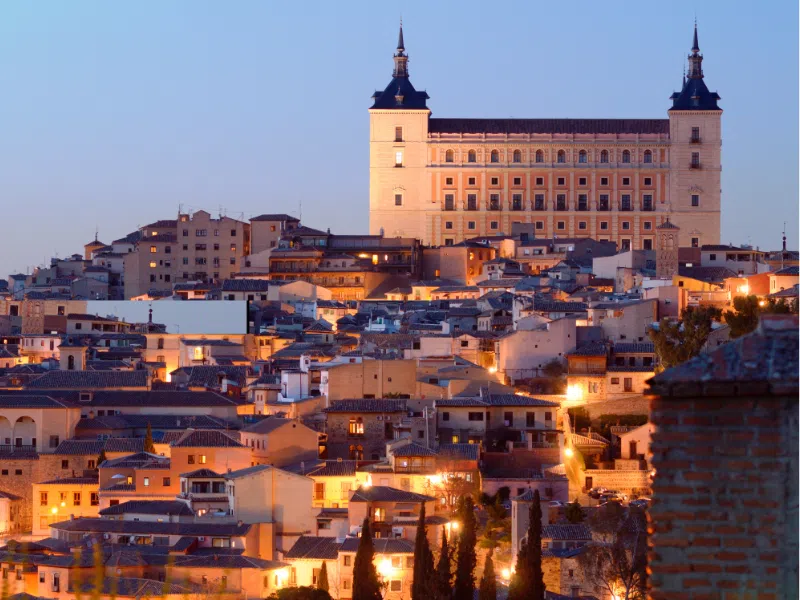
Toledo is a historic city located in central Spain, known for its stunning medieval architecture and rich cultural heritage. Perched atop a hill overlooking the Tagus River, Toledo is a UNESCO World Heritage Site and one of Spain’s most iconic cities.
The city’s narrow, winding streets are lined with Gothic, Moorish, and Mudéjar buildings, creating a unique and picturesque atmosphere. Must-see attractions include the Toledo Cathedral, the Alcázar, and the Synagogue of Santa María la Blanca. Toledo is also famous for its sword-making tradition, which dates back centuries.
Key Features of Toledo
- Medieval Charm: Toledo is a living museum of medieval architecture, with its narrow streets, ancient churches, and imposing castles.
- UNESCO World Heritage Site: The city’s exceptional cultural and historical significance has earned it a place on UNESCO’s World Heritage List.
- Three Cultures: Toledo has a unique blend of Christian, Jewish, and Muslim influences, evident in its architecture, art, and culture.
- Toledo Cathedral: One of the most impressive Gothic cathedrals in Spain, the Toledo Cathedral is renowned for its stunning stained glass windows and intricate carvings.
- Alcázar: The Alcázar is a fortified palace that has served as a royal residence, a military stronghold, and a prison throughout its history.
- Synagogues: Toledo is home to several well-preserved synagogues, including the Synagogue of Santa María la Blanca, a masterpiece of Mudéjar architecture.
- Sword-Making Tradition: The city is famous for its centuries-old tradition of sword-making, with skilled artisans producing high-quality blades that have been sought after by warriors and collectors for centuries.
- Picturesque Setting: Perched atop a hill overlooking the Tagus River, Toledo offers breathtaking views and a romantic atmosphere.
Fun Facts About Toledo
- Three Cultures: Toledo was once a city where Christians, Jews, and Muslims lived side by side in relative harmony. This coexistence led to a rich cultural exchange and the development of a unique architectural style.
- The “City of Three Cultures”: Due to its historical significance as a center of coexistence between different religions, Toledo is often referred to as the “City of Three Cultures.”
- El Greco: The renowned Greek painter El Greco lived in Toledo for much of his life and created some of his most famous works there, including “The Burial of Count Orgaz” and “The View of Toledo.”
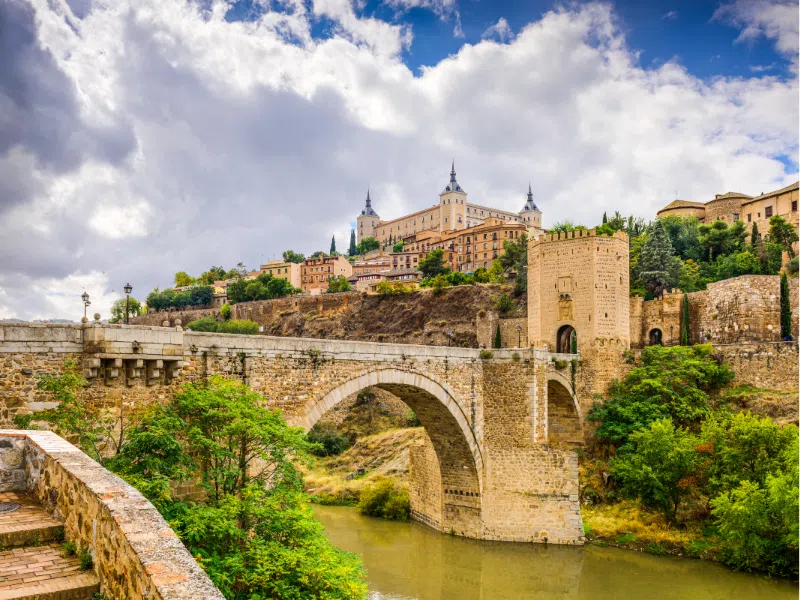
- Medieval Bridge: The Puente de San Martín, a medieval bridge that spans the Tagus River, is a popular tourist attraction and offers stunning views of the city.
- Toledo Steel: Toledo is famous for its high-quality steel, which has been used to make swords and other weapons for centuries.
- Jewish Quarter: The Judería, or Jewish Quarter, is a charming neighborhood with narrow, winding streets and historic synagogues.
- Chocolate Production: Toledo has a long tradition of chocolate production, and there are several chocolatiers in the city that offer delicious treats.
- Annual Festivals: Toledo hosts several annual festivals throughout the year, including the International Festival of Music and the Festival of the Three Cultures.
Local Legends of Toledo
The Legend of the Enchanted Sword
One of the most well-known legends about Toledo revolves around the enchanted sword Excalibur. While the legend of King Arthur and Excalibur is often associated with England, some believe that the sword was forged in Toledo by skilled artisans. It is said that the sword possesses magical powers and can only be wielded by a worthy king.
The Legend of the Hidden Treasure
Another popular legend tells of a hidden treasure buried beneath the Toledo Cathedral. It is said that the treasure was left behind by a Moorish king, and that it is guarded by a fearsome dragon. Many have searched for the treasure over the centuries, but none have been successful.
The Legend of the Wandering Jew
The legend of the Wandering Jew, a figure condemned to wander the Earth forever, is often associated with Toledo. Some believe that the Wandering Jew visited Toledo during the Middle Ages and left his mark on the city. The legend is said to be based on a real person, but it has taken on a mythical quality over the centuries.
The Legend of the Enchanted Garden
It is said that hidden within the Alcázar Palace is an enchanted garden, a secret paradise filled with exotic plants, fragrant flowers, and a shimmering fountain. According to legend, only those who possess pure hearts and a true love for nature can discover this hidden gem.

Toledo’s History
- Roman Era: The city was founded by the Romans as Toletum in the 3rd century BC. It became a prosperous Roman colony, known for its trade in agricultural products and luxury goods.
- Visigothic Kingdom: In the 5th century, the Visigoths conquered Toledo, making it the capital of their kingdom. During this period, the city became a center of Christian culture and learning.
- Moorish Conquest: In the 8th century, the Moors conquered Toledo, incorporating it into the Al-Andalus Caliphate. Under Moorish rule, Toledo flourished as a cultural and intellectual center, renowned for its architecture, poetry, and philosophy.
- Christian Reconquest: In 1085, Christian forces led by King Alfonso VI of Castile recaptured Toledo from the Moors. The city became the capital of the Kingdom of Castile and León, and its cultural and economic importance continued to grow.
- Golden Age: The 15th and 16th centuries marked Toledo’s Golden Age. The city’s architecture, art, and literature reached new heights, and it became a center of cultural and intellectual life in Spain.
- Decline: In the 17th century, Toledo’s economic importance began to decline as trade routes shifted to other cities. However, the city retained its cultural heritage and historical significance.
Must-Try Food in Toledo

Tapas:
- Carcamusas: A hearty stew made with chickpeas, chorizo, and paprika.
- Migas: A dish made with breadcrumbs, chorizo, and garlic, often served with eggs.
- Perdiz escabeche: Partridges marinated in a vinegar-based sauce.
Main Courses:
- Chuletón de ternera: A juicy grilled beef steak, a popular choice for meat lovers.
- Cochinillo asado: Roasted suckling pig, a traditional Spanish dish.
- Bacalao al pil-pil: Codfish cooked in olive oil and garlic, a Basque classic.
Desserts:
- Mazapan: Almond marzipan, a sweet delicacy that originated in Toledo.
- Pan de Toledo: A traditional bread made with flour, water, and olive oil.
- Tostada de queso manchego: Toasted bread with Manchego cheese, a simple yet delicious snack.
Drinks:
- Vino tinto de la Mancha: Red wine from La Mancha, a region known for its high-quality wines.
- Sangría: A refreshing drink made with red wine, fruit, and brandy.
- Café de puchero: A traditional Spanish coffee made with a pot of simmering water and ground coffee.
Don’t forget to try:
- Toledo honey: Honey produced in the region, known for its unique flavor.
- Queso manchego: A sheep’s milk cheese, a staple of Spanish cuisine.
Must Visit Attractions in Toledo
- Santa Iglesia Catedral Primada de Toledo: A jewel of Gothic architecture, this cathedral is one of the largest and most impressive in Spain. Its interior houses works of art of incalculable value, such as the paintings of El Greco.
- Ayuntamiento de Toledo: The city hall building is an example of civil architecture in the city. From here, many of Toledo’s cultural and festive activities are organized.
- Iglesia de los Jesuitas: This Baroque church is known for its impressive facade and richly decorated interior. It’s an active place of worship and an important cultural center.
- Iglesia de Santo Tomé: Famous for housing the painting “The Burial of Count Orgaz” by El Greco, this church is a must-visit for art lovers.
- Museo del Greco: Dedicated to the life and work of the Greek painter El Greco, this museum houses a significant collection of his paintings and personal belongings.
- Monumento a El Greco: Located in a square with panoramic views of the city, this monument is a tribute to the famous painter who lived and worked in Toledo.
- Sinagoga de Santa María La Blanca: A magnificent example of Mudéjar architecture, this synagogue is one of the best preserved in Spain. It’s currently a museum that showcases the history of the Jewish community of Toledo.
- Monasterio de San Juan de los Reyes: Founded by the Catholic Kings, this Gothic monastery stands out for its rich sculptural decoration and its cloister.
- Mezquita del Cristo de la Luz: A small mosque of Mozarabic origin, considered one of the oldest in Spain. Its square layout and simple decoration make it a unique example of Islamic architecture.
This walking tour will take you through the heart of Toledo, allowing you to experience the city’s rich history, stunning architecture, and cultural significance.
Explore Toledo with World City Trail
Embark on an unforgettable journey through the enchanting city of Toledo with World City Trail. Our interactive walking tour combines the thrill of exploration with the rich history and culture of this beatiful city.
Key Features:
Interactive gameplay: Solve engaging puzzles and challenges as you explore the city.
Iconic landmarks: Discover famous attractions like the Ayuntamiento de Toledo or the Iglesia de los Jesuitas.
Hidden gems: Uncover lesser-known spots, such as the Museo del Greco or the Monumento A El Greco.
Cultural insights: Learn about Toledo’s fascinating history.
Flexibility: Explore at your own pace and create your own itinerary.
Learn more fun facts about Toledo!
Book your Toledo adventure today and experience the magic of this beatiful city.
Further reading on Wikipedia: Toledo Cathedral