

Table of Contents
A vibrant capital city
Warsaw is a vibrant capital city located in central Poland, known for its rich history, stunning architecture, and lively cultural scene. The city has undergone a remarkable transformation since its destruction during World War II, rebuilding its historic center with impressive fidelity. Warsaw offers a blend of old and new, with ancient castles, modern skyscrapers, and beautiful parks.
Key features of Warsaw:
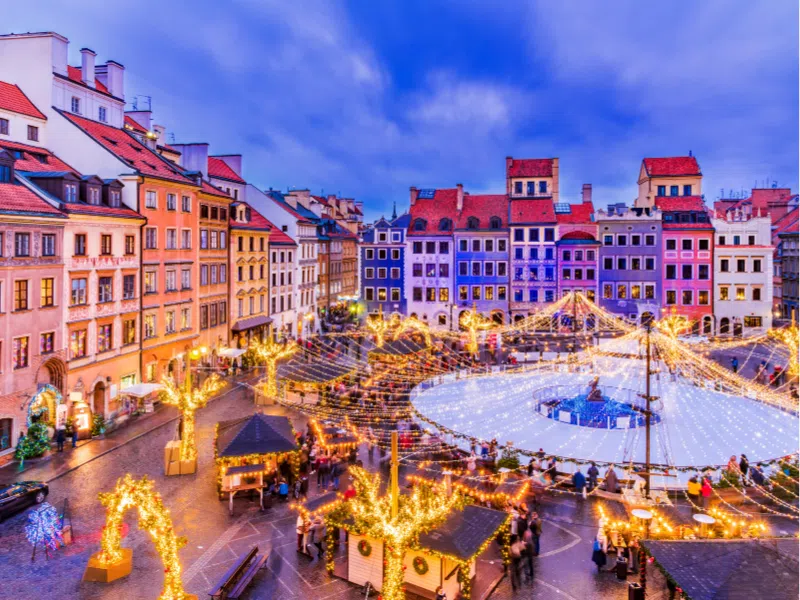
- Historic Old Town: Explore the beautifully reconstructed Old Town, a UNESCO World Heritage Site, with its colorful buildings, cobblestone streets, and charming squares.
- Royal Castle: Visit the Royal Castle, a magnificent palace that has been the seat of Polish monarchs for centuries.
- Palace of Culture and Science: Admire the iconic Palace of Culture and Science, a towering skyscraper built as a gift from Stalin.
- Warsaw Uprising Museum: Learn about the tragic history of the Warsaw Uprising, a pivotal event in Polish history.
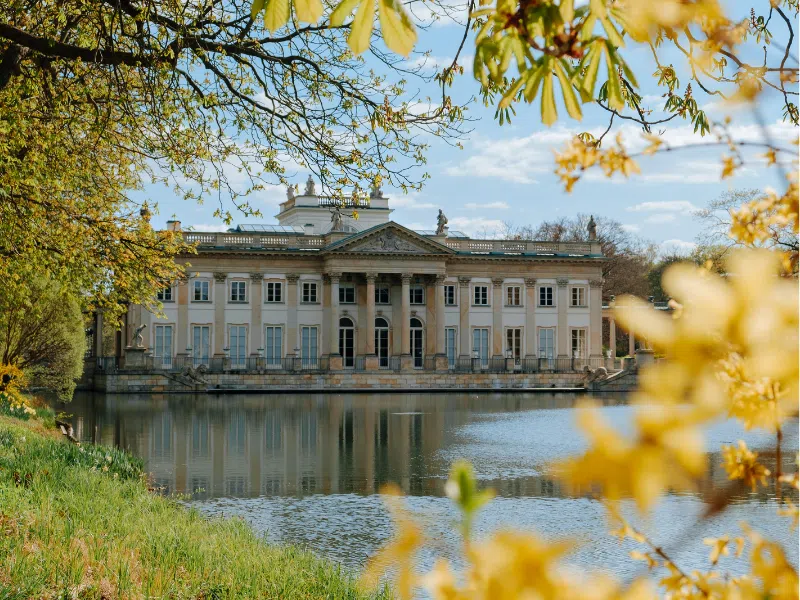
- Lazienki Park: Relax in the beautiful Lazienki Park, a vast park with a variety of attractions, including a palace, a zoo, and a botanical garden.
- Warsaw Ghetto: Visit the site of the Warsaw Ghetto, a former Jewish ghetto during World War II, and learn about the tragic history of the Holocaust in Poland.
- Vibrant Cultural Scene: Experience Warsaw’s lively cultural scene, with numerous theaters, museums, and concert halls.
- Delicious Cuisine: Savor traditional Polish cuisine, including pierogi, bigos, and kielbasa.
- Shopping Opportunities: Explore Warsaw’s shopping districts, offering a variety of shops, from luxury brands to local boutiques.
- Friendly Locals: Warsaw is known for its warm and welcoming locals, who are always happy to share their city with visitors.
Here are some fun facts about Warsaw:
- The Phoenix City: Warsaw was completely destroyed during World War II but was rebuilt with remarkable fidelity, earning the nickname “Phoenix City.”
- A City of Parks: Warsaw is home to numerous beautiful parks, including Lazienki Park, one of the largest urban parks in Europe.
- A Literary Hub: Warsaw has a rich literary tradition, with famous writers like Adam Mickiewicz and Juliusz Słowacki associated with the city.
- A Musical City: Warsaw is a major center for classical music, with a world-class philharmonic orchestra and opera house.
- A City of Contrasts: Warsaw is a city of contrasts, with its modern skyscrapers juxtaposed with its historic architecture.
- A City of Festivals: Warsaw hosts a variety of festivals throughout the year, including the Warsaw Film Festival and the Polish Film Festival.
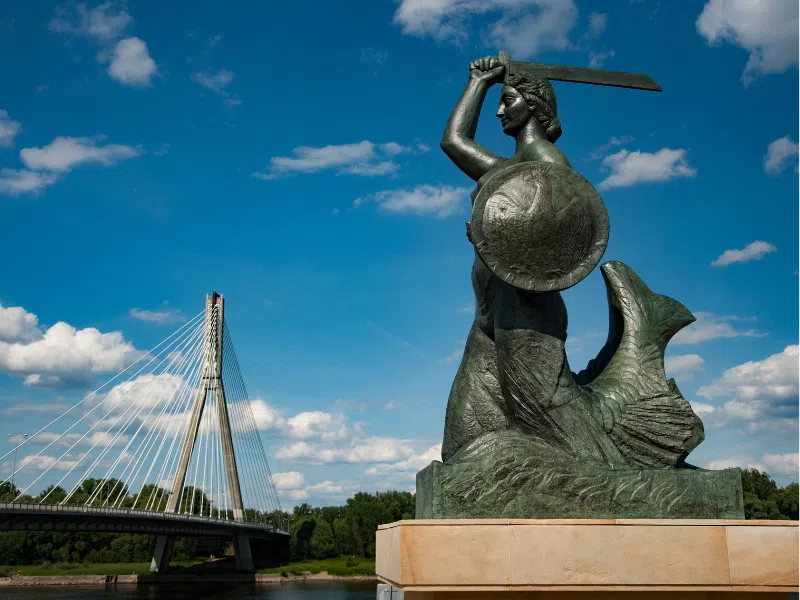
- A City of Legends: Warsaw is full of legends and folklore, with stories of ghosts, mermaids, and hidden treasures.
- A City of Science: Warsaw is a major center for science and research, with several world-class universities and research institutions.
- A City of Sports: Warsaw is home to several sports teams, including the Legia Warsaw football club and the PGE Arena, a modern sports stadium.
- A City of Diversity: Warsaw is a multicultural city, with a growing population of immigrants from various countries.
Local legends about Warsaw
- The Legend of the Mermaid: Perhaps the most famous legend associated with Warsaw is the tale of the mermaid. The mermaid is said to have lived in the Vistula River and protected the city from harm. She is often depicted as a beautiful woman with a fish’s tail, and she is considered a symbol of Warsaw.
- The Legend of the Mermaid’s Tears: Another legend tells of how the mermaid’s tears turned into pearls, which she scattered throughout the city. Some people believe that if you find a pearl in Warsaw, it is a sign of good luck.
- The Legend of the Royal Castle Ghost: There are many legends about the Royal Castle, and one of the most popular is the tale of the ghost of King Sigismund Augustus. It is said that his ghost still haunts the castle, searching for his lost love.
- The Legend of the Warsaw Uprising Ghost: The Warsaw Uprising was a tragic event in Polish history, and there are many legends associated with it. One legend tells of the ghost of a young soldier who was killed during the uprising. His ghost is said to wander the streets of Warsaw, searching for his lost comrades.
- The Legend of the Hidden Treasure: There are also many legends about hidden treasure buried beneath the streets of Warsaw. Some people believe that the Nazis buried a treasure trove in the city during World War II, while others claim that ancient civilizations hid their treasures there.
What about the history of Warsaw?
- Medieval Origins: Warsaw was founded in the 13th century as a small fishing village on the Vistula River.
- Growth and Development: Over the centuries, Warsaw grew in importance and became a major center of trade and commerce.
- Royal Capital: In the 16th century, Warsaw became the capital of Poland and Lithuania, and it remained the capital of the Polish-Lithuanian Commonwealth until its partition in the late 18th century.
- Partitions of Poland: In the late 18th century, Poland was partitioned by Russia, Prussia, and Austria, and Warsaw came under Russian rule.
- 19th Century: During the 19th century, Warsaw experienced a period of cultural and intellectual growth, with the development of a Polish national identity.
- World War I: Warsaw was briefly occupied by German forces during World War I.
- Interwar Period: After World War I, Warsaw became the capital of the Second Polish Republic, and it experienced a period of economic and cultural development.
- World War II: During World War II, Warsaw was completely destroyed by German forces during the Warsaw Uprising.
- Reconstruction: After the war, Warsaw was rebuilt with remarkable fidelity, earning the nickname “Phoenix City.”
- Modern Poland: Since the fall of communism in 1989, Warsaw has experienced rapid economic growth and development, becoming a major city in Central Europe.
Must-Try Food in Warsaw

- Pierogi: These dumplings are a Polish staple, filled with various ingredients like meat, cheese, or sauerkraut.
- Bigos: A hearty stew made with cabbage, meat, and mushrooms, a classic Polish dish.
- Kielbasa: A type of Polish sausage, often served grilled or boiled.
- Zurek: A sour soup made with rye flour, often served with sausage or egg.
- Kotlet schabowy: A breaded pork cutlet, a popular Polish dish.
- Placki ziemniaczane: Potato pancakes, a delicious and versatile side dish.
- Mazurek: A traditional Polish cake, often served with fruit or poppy seeds.
- Obwarzanek krakowski: A type of pretzel, a popular street food in Warsaw.
Must Visit Attractions in Warsaw
The New Town Market, a lively square with shops and cafes, is a great place to people-watch. The Krasinski Palace, a historic building, houses the Polish Military Museum.
The Barbican, a fortified gatehouse, is a reminder of Warsaw’s past.
The Old Town Market, a charming square with colorful buildings, is a popular destination for tourists.
The Royal Castle, a symbol of Poland’s past, is a stunning palace with beautifully restored interiors.
The National Opera, a grand theater, hosts a variety of performances.
The Unknown Soldier Monument, a poignant tribute to the fallen soldiers of Poland, is a popular destination for patriotic ceremonies.
Saxon Garden, a beautiful park, is perfect for a relaxing stroll.
The Obelisk Drogowskaz, a historic obelisk, marks the starting point of the main roads leading out of Warsaw.
This walking tour will take you through the heart of Warsaw, allowing you to experience the city’s rich history, stunning architecture, and cultural significance.
Explore Warsaw with World City Trail
Embark on an unforgettable journey through the enchanting city of Warsaw with World City Trail. Our interactive walking tour combines the thrill of exploration with the rich history and culture of this beatiful city.
Key Features:
Interactive gameplay: Solve engaging puzzles and challenges as you explore the city.
Iconic landmarks: Discover famous attractions like the Krasinski palace and the Barbican.
Hidden gems: Uncover lesser-known spots, such as the Saxon garden or the Obelisk Drogowskaz.
Cultural insights: Learn about Warsaw’s fascinating history.
Flexibility: Explore at your own pace and create your own itinerary.
Learn more fun facts about Warsaw!
Book your Warsaw adventure today and experience the magic of this beatiful city.
Further reading on Wikipedia: Polish Army Museum