
Table of Contents
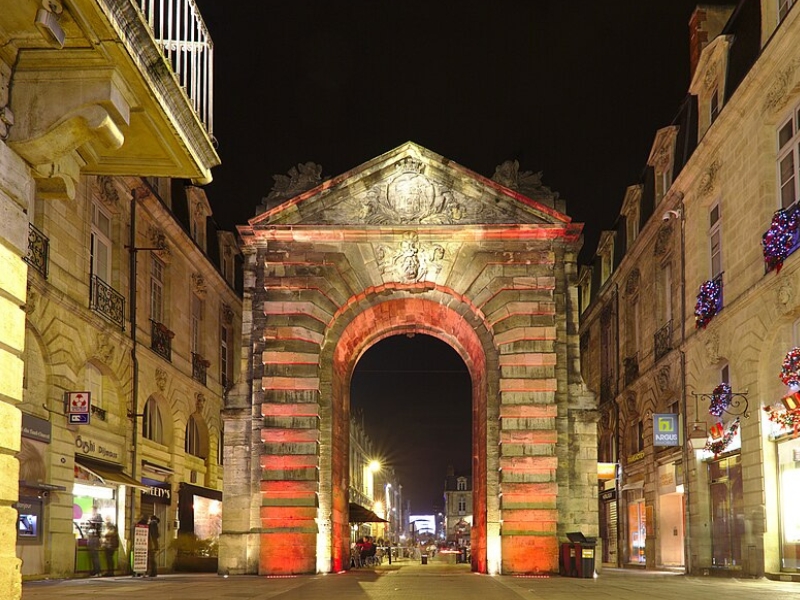
The Porte Dijeaux is a historic city gate in Bordeaux, France. This elegant neoclassical structure, built in the 18th century, serves as a gateway to the city’s rich history and architectural heritage.
A Glimpse into History
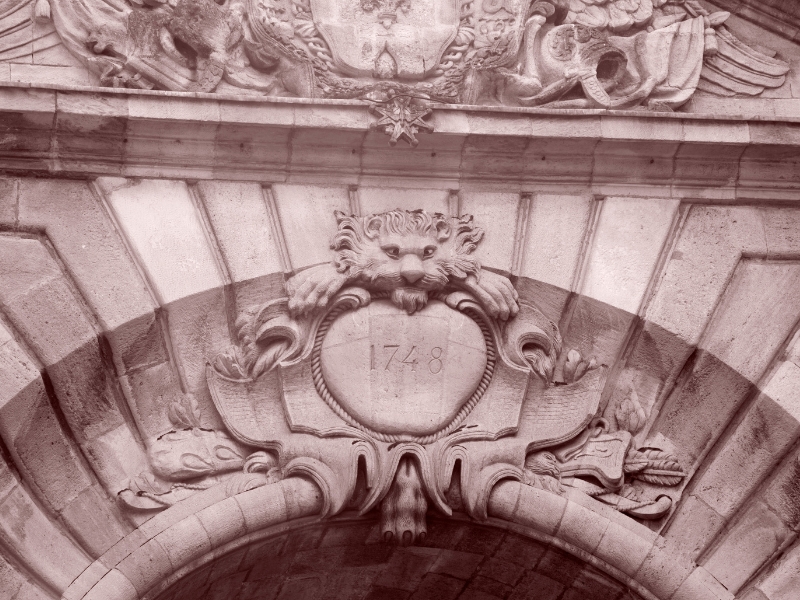
The original structure on this site dates back to Roman times when it was known as the Porta Jovis, or the Gate of Jupiter. This ancient gate served as part of Bordeaux’s fortifications. However, the current neoclassical gate was constructed between 1748 and 1753 under the direction of architect André Portier. It was a part of a larger urban renewal project initiated by Intendant Tourny, who aimed to modernize the city of Bordeaux.
The Porte Dijeaux has played a significant role in the history of Bordeaux. It has witnessed centuries of change, from the Roman era to the French Revolution. The gate has served as a gateway to the city, a symbol of power and prestige, and a testament to the city’s architectural heritage.
The gate’s neoclassical design reflects the Enlightenment ideals of order, proportion, and harmony. The architects who designed the gate sought to create a visually striking and functionally efficient structure. The gate’s elegant facade and imposing towers are a testament to their success.
The Porte Dijeaux is also a reminder of the city’s rich cultural heritage. The gate is located in a neighborhood that is steeped in history. The surrounding streets are lined with beautiful buildings, many of which date back to the 18th and 19th centuries.
Architectural Marvel
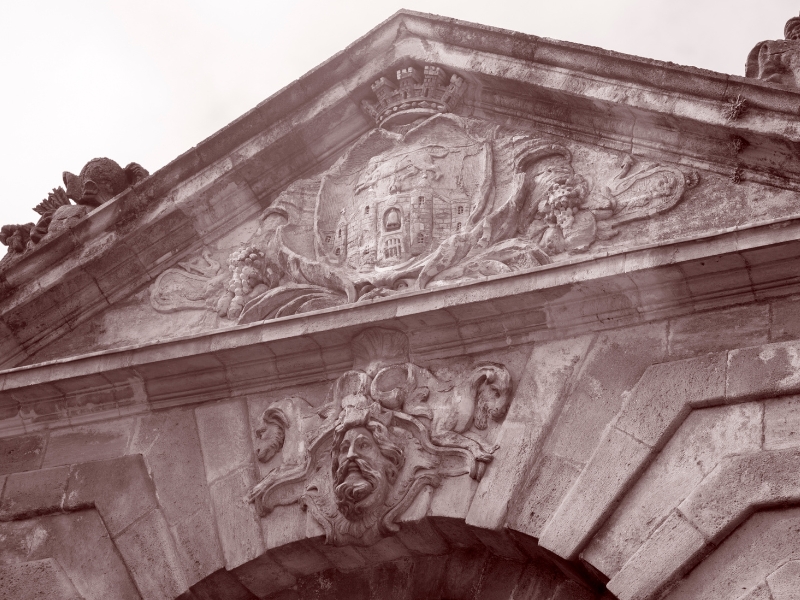
The Porte Dijeaux is a stunning example of neoclassical architecture. Its symmetrical design, elegant proportions, and intricate details make it a visually striking landmark. The gate is adorned with decorative elements, including sculptures, reliefs, and inscriptions.
The imposing facade of the gate is flanked by two monumental towers. These towers, topped with decorative urns, add to the gate’s grandeur. The inscription above the gate, “LOUIS XV ROI,” commemorates the reign of King Louis XV during the construction of the gate.
A Cultural Landmark
The Porte Dijeaux is more than just a historical landmark; it’s a cultural symbol of Bordeaux. The gate is often featured in paintings, photographs, and postcards, capturing the city’s unique character and charm.
The area surrounding the Porte Dijeaux is a popular destination for tourists and locals alike. The gate is located near the Place Gambetta, a bustling square with numerous cafes, restaurants, and shops. The surrounding neighborhood is also home to several historic buildings and cultural attractions.
Tips for Visiting the Porte Dijeaux
- Best Time to Visit: The best time to visit the Porte Dijeaux is during the spring and autumn months when the weather is mild.
- Photography: The gate is a popular spot for photography. Take your time to capture the beauty of the architecture and the surrounding cityscape.
- Nearby Attractions: Explore the nearby attractions in Bordeaux, such as the Place de la Bourse, the Miroir d’Eau, and the Cité du Vin.
- Public Transportation: The gate is easily accessible by public transportation, including buses and trams.
By visiting the Porte Dijeaux, you can immerse yourself in the rich history and culture of Bordeaux. This iconic landmark is a must-see for anyone exploring the city.
Porte Dijeaux is part of Bordeaux scavenger hunt and walking tour!
Embark on an unforgettable journey through the enchanting city of Bordeaux with World City Trail. Our interactive walking tour combines the thrill of exploration with the rich history and culture of this beautiful city.
Key Features:
Interactive gameplay: Solve engaging puzzles and challenges as you explore the city.
Hidden gems: Uncover lesser-known spots.
Cultural insights: Learn about the city’s fascinating history.
Flexibility: Explore at your own pace and create your own itinerary.
Family friendly activity and a great way to explore the city!
Further reading on Wikipedia: Bordeaux