
Table of Contents
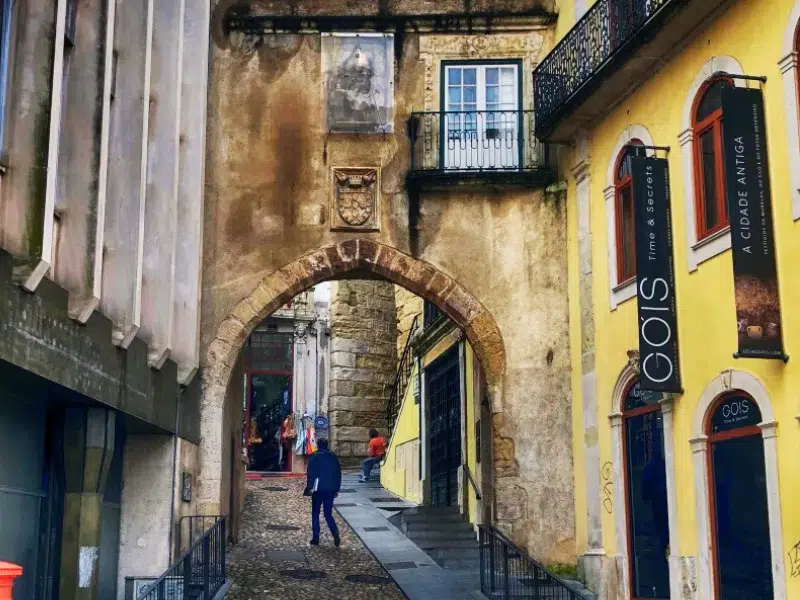
The Barbican Gate (Porta da Barbacã) stands as a testament to Coimbra’s rich history and strategic importance. This imposing medieval fortification, with its distinctive architecture and strategic location, offers a glimpse into the city’s past.
A Glimpse into History
The Barbican Gate traces its origins back to the Moorish period when Coimbra was an important Islamic city. Its strategic location on a hilltop overlooking the Mondego River made it a crucial defensive position. The gate’s distinctive horseshoe arches, a hallmark of Islamic architecture, are a reminder of this period.
After the Christian reconquest of Portugal, the Barbican Gate continued to play a vital role in the city’s defenses.
The Barbican Gate has witnessed centuries of history, from the Moorish period to the Portuguese Empire. It has played a crucial role in the city’s defense, its cultural development, and its economic prosperity.
During the Middle Ages, the gate was an important part of Coimbra’s defensive system. It protected the city from attacks by rival kingdoms and invaders. The gate’s strategic location, on a hilltop overlooking the Mondego River, made it a formidable defensive position.
A Masterpiece of Medieval Fortification
The Barbican Gate is a remarkable example of medieval military architecture. The intricate details of its architecture, including the carved stonework and the decorative elements, showcase the skill and craftsmanship of the builders. Its imposing structure, with its thick walls, fortified towers, and strategic positioning, reflects the city’s defensive needs.
The gate’s defensive capabilities were further enhanced by a moat and drawbridge, which provided additional protection. In the 17th century, the gate was renovated and expanded, incorporating Renaissance elements into its design. This period saw the addition of new fortifications, including a bastion and a ravelin.
The gate’s distinctive horseshoe arches are a unique feature that sets it apart from other medieval fortifications. These arches, a hallmark of Islamic architecture, are a testament to the Moorish influence on the city’s history.

A Cultural and Historical Landmark
The Barbican Gate is more than just a historical site; it is a cultural and historical landmark that reflects the city’s rich heritage. The gate has played a significant role in the history of Coimbra, and it continues to be an important part of the city’s identity.
Today, the Barbican Gate is a popular tourist attraction, drawing visitors from all over the world. The gate offers stunning panoramic views of the city and the surrounding countryside. It is also a great place to learn about the history and culture of Coimbra.
Tips for Visiting the Barbican Gate
- Best Time to Visit: The best time to visit the Barbican Gate is during the spring and autumn months, when the weather is mild and the crowds are smaller.
- Photography: The gate offers many photo opportunities, especially from the top of the ramparts.
- Nearby Attractions: The Barbican Gate is located near other popular attractions in Coimbra, such as the University of Coimbra and the Old Cathedral.
- Public Transportation: The gate is easily accessible by public transportation, including buses and trains.
By visiting the Barbican Gate, you can immerse yourself in the rich history and culture of Coimbra. This iconic landmark is a must-see for any visitor to the city.

Barbican Gate is part of Coimbra scavenger hunt and walking tour!
Embark on an unforgettable journey through the enchanting city of Coimbra with World City Trail. Our interactive walking tour combines the thrill of exploration with the rich history and culture of this beautiful city.
Key Features:
Interactive gameplay: Solve engaging puzzles and challenges as you explore the city.
Hidden gems: Uncover lesser-known spots.
Cultural insights: Learn about the city’s fascinating history.
Flexibility: Explore at your own pace and create your own itinerary.
Family friendly activity and a great way to explore the city!
Further reading on Wikipedia: Coimbra