

Table of Contents
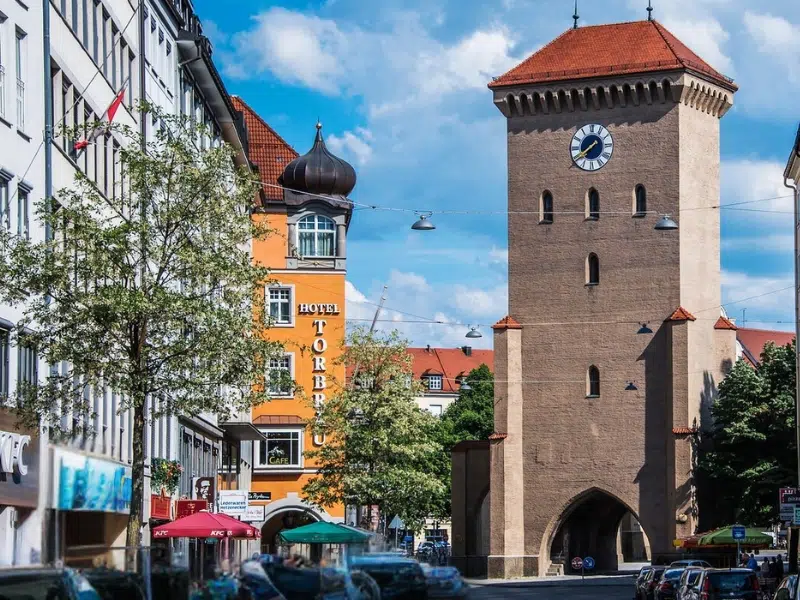
The Isar Gate (Isartor) stands as one of Munich’s most recognizable historical landmarks. Located in the heart of the city, it is an iconic reminder of Munich’s rich medieval past. Originally part of the city’s fortifications, this impressive structure has witnessed the evolution of Munich from a walled city to the bustling modern metropolis it is today.
A Glimpse into History
Built between 1337 and 1347, Isar Gate was part of the city’s medieval defensive walls, designed to protect Munich from external threats. Its name comes from the nearby Isar River, which flows through Munich. The gate was one of the original access points into the city, specifically serving as a passage for travelers coming from the south. This gate also held significant strategic value, as it provided an entryway to the important trade routes along the river.
During the 19th century, as Munich expanded and modernized, many of the city’s old fortifications were demolished to make room for urban development. However, Isar Gate was preserved due to its historical importance and is one of the few remaining gates from the original medieval city wall. The gate’s preservation ensures that it remains a tangible connection to Munich’s past.
Architecture and Design
The Isar Gate is an exemplary piece of medieval architecture, combining both military functionality and aesthetic appeal. It was originally built in the Gothic style, featuring robust stone walls, pointed arches, and fortified towers. The gate itself is quite imposing, standing at about 25 meters tall, with a distinctive crenellated top that is characteristic of defensive structures from the time.
One of the standout features of Isar Gate is its twin towers, which are designed to evoke the classical defensive structures of the Middle Ages. The towers were originally used for both defense and surveillance, allowing guards to monitor and protect the city’s entrances. The gate also features a large archway that was once wide enough to allow wagons and horses to pass through, facilitating the flow of goods and people into the city.
In the 19th century, a neoclassical renovation was undertaken by the Bavarian architect Leo von Klenze. The renovation introduced several classical elements, such as columns and the coats of arms of the various Bavarian rulers. These modifications gave the Isar Gate a more refined and elegant appearance, while still maintaining its military essence.
Modern-Day Significance
Today, Isar Gate stands as a testament to Munich’s medieval history, offering both locals and visitors a glimpse into the city’s past. While its original function as a military structure is no longer relevant, the gate has become a popular tourist attraction. It also serves as a symbol of Munich’s resilience and ability to blend history with modernity.
The gate is located in close proximity to the Isar River, and walking through this historic structure offers visitors a scenic view of the riverbanks and surrounding areas. The proximity to other key attractions, such as the Deutsches Museum and Viktualienmarkt, makes it a convenient and intriguing stop for anyone exploring the city.
A Cultural Icon
Isar Gate is not just a historical monument; it is also deeply ingrained in the cultural identity of Munich. It stands as a proud reminder of the city’s origins, representing the medieval fortifications that once protected Munich. It is also a popular location for photographers and history enthusiasts, who visit the site to capture the unique blend of old and new that characterizes much of Munich’s urban landscape.
The gate is often associated with the Isartorplatz, the public square in front of the gate, which is a vibrant area for social gatherings, local events, and festivals. It is also a hub for the Munich public transport system, making it easy to access other parts of the city from this central point.

Isar Gate is part of Munich scavenger hunt and walking tour!
Embark on an unforgettable journey through the enchanting city of Munich with World City Trail. Our interactive walking tour combines the thrill of exploration with the rich history and culture of this beautiful city.
Key Features:
Interactive gameplay: Solve engaging puzzles and challenges as you explore the city.
Hidden gems: Uncover lesser-known spots.
Cultural insights: Learn about the city’s fascinating history.
Flexibility: Explore at your own pace and create your own itinerary.
Family friendly activity and a great way to explore the city!
Further reading on Wikipedia: Munich