

Table of Contents
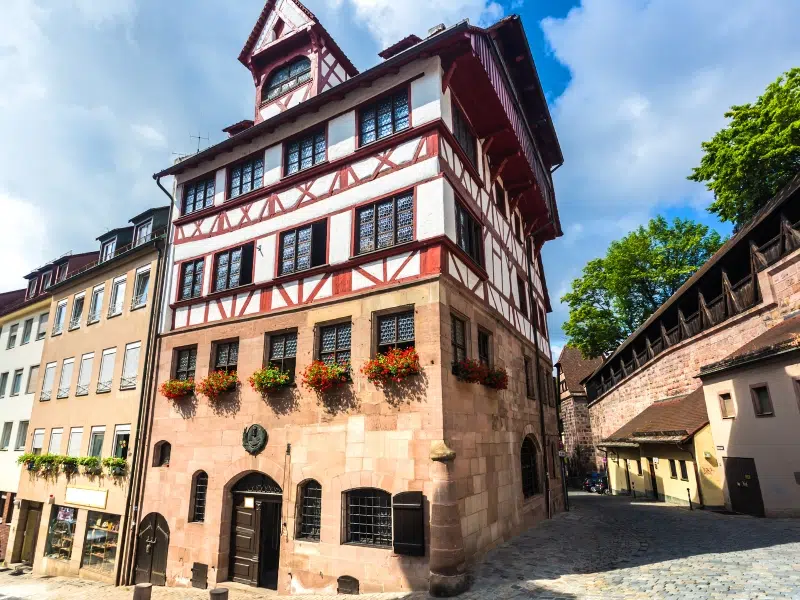
Located in the heart of Nuremberg, Albrecht Dürer’s House (Albrecht-Dürer-Haus) stands as a tribute to one of the most famous and influential artists of the German Renaissance. This charming half-timbered house, which once served as the residence and workshop of Albrecht Dürer, has been transformed into a museum that showcases the life, works, and legacy of the legendary painter and engraver.
A Glimpse of History
Albrecht Dürer, born in 1471, is regarded as one of the most prominent artists of the Northern Renaissance. He achieved fame for his innovative use of engraving, his detailed woodcuts, and his mastery of painting. Dürer moved to this house in 1509 and lived here until his death in 1528. The house itself was a focal point of his artistic endeavors and played an important role in his life and career.
In 1828, the building became a museum dedicated to the life and works of Dürer, and today it remains one of Nuremberg’s most significant cultural landmarks. The house provides visitors with a unique opportunity to experience Dürer’s living and working environment while learning about his artistic achievements.
The Architecture
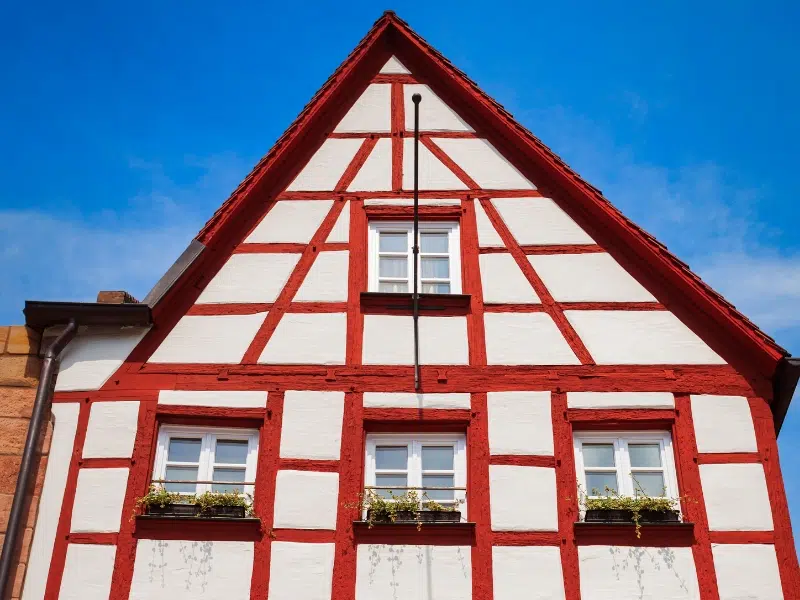
The Albrecht Dürer’s House itself is an outstanding example of Nuremberg’s traditional medieval architecture, characterized by its iconic half-timbered style and distinctive overhanging upper floor. Built in the late 15th century, it features a gabled roof, decorative beams, and large windows that would have offered Dürer ample natural light for his work. The building also includes a spacious courtyard and a garden where Dürer likely spent time drawing and contemplating.
One of the most notable features of the Albrecht Dürer’s House is its wooden staircase, which leads to the upper floor where Dürer’s studio and living quarters were located. The staircase is still preserved in its original form, offering visitors a sense of stepping back in time to when the artist walked the same steps.
Exploring the Museum
Inside Albrecht Dürer’s House, the museum presents a fascinating glimpse into Dürer’s life and artistic process. The museum is spread across several rooms that recreate the atmosphere of the artist’s home and workspace. It features a variety of interactive exhibits, including original engravings, woodcuts, and paintings, as well as reproductions of Dürer’s iconic works like his famous self-portrait, his series of engravings such as the “Knight, Death, and the Devil” and the “Melancholia,” and the Praying Hands.
Visitors can explore the various workshops where Dürer created his art, including his engraving and printmaking studio, which showcases the tools and techniques he used to create his masterpieces. The museum also provides insights into Dürer’s extensive travels, his connections to other Renaissance artists, and his influence on European art history.
The Dürer Garden and Workshops
One of the most enchanting aspects of Albrecht Dürer’s House is its garden, a peaceful area where Dürer would have spent time drawing plants, animals, and landscapes—subjects that greatly influenced his art. The garden is meticulously recreated to reflect the types of plants that would have been present in the 16th century, offering a serene space for reflection. It’s also where Dürer is believed to have found inspiration for some of his most famous nature studies.
Additionally, the museum has a reconstruction of a workshop where visitors can see how Dürer and his assistants would have worked, including the techniques he used for engraving, painting, and book illustration. The tools on display provide a clear picture of the skill and precision that Dürer brought to his craft.
Albrecht Dürer’s House is part of Nuremberg scavenger hunt and walking tour!
Embark on an unforgettable journey through the enchanting city of Nuremberg with World City Trail. Our interactive walking tour combines the thrill of exploration with the rich history and culture of this beautiful city.
Key Features:
Interactive gameplay: Solve engaging puzzles and challenges as you explore the city.
Hidden gems: Uncover lesser-known spots.
Cultural insights: Learn about the city’s fascinating history.
Flexibility: Explore at your own pace and create your own itinerary.
Family friendly activity and a great way to explore the city!
Further reading on Wikipedia: Nuremberg