
Antalya, with its sun-drenched beaches and bustling modern districts, also holds within its ancient core a treasure trove of historical architecture. Among these, the Karatay Medresesi in Antalya stands as a remarkable testament to the Seljuk period, offering a glimpse into an era of profound cultural and intellectual flourishing in Anatolia. This former theological school, distinguished by its exquisite stone carvings and serene atmosphere, is a must-visit for anyone interested in the layered history of this vibrant Mediterranean city.
A Legacy of Learning: The Medrese’s Origins
The term “medrese” refers to an Islamic theological school or college, institutions that were vital centers of learning across the Seljuk and Ottoman empires. The Karatay Medresesi in Antalya is one such significant structure, showcasing the distinctive architectural style and artistic prowess of the Seljuk Turks who ruled Anatolia before the rise of the Ottomans.
The medrese was commissioned by Celaleddin Karatay, a highly influential vizier during the reign of the Seljuk Sultan Alaeddin Keykubad I (and later during the joint rule of his successors). While there is a more famous Karatay Medresesi in Konya (which Celaleddin Karatay also founded), the Antalya counterpart is a distinct and important historical site within the city’s Kaleiçi (old town) district.
The exact construction date for the Karatay Medresesi in Antalya is generally placed in the mid-13th century. Sources indicate it was built around 1250-1251, during the reign of Sultan Izzeddin Keykavus II, which aligns with Celaleddin Karatay’s period of influence. Its purpose was to serve as an educational institution for Islamic studies, contributing to the intellectual and religious life of Antalya, which had been brought under Seljuk control in the early 13th century.
Architectural Grandeur and Seljuk Artistry
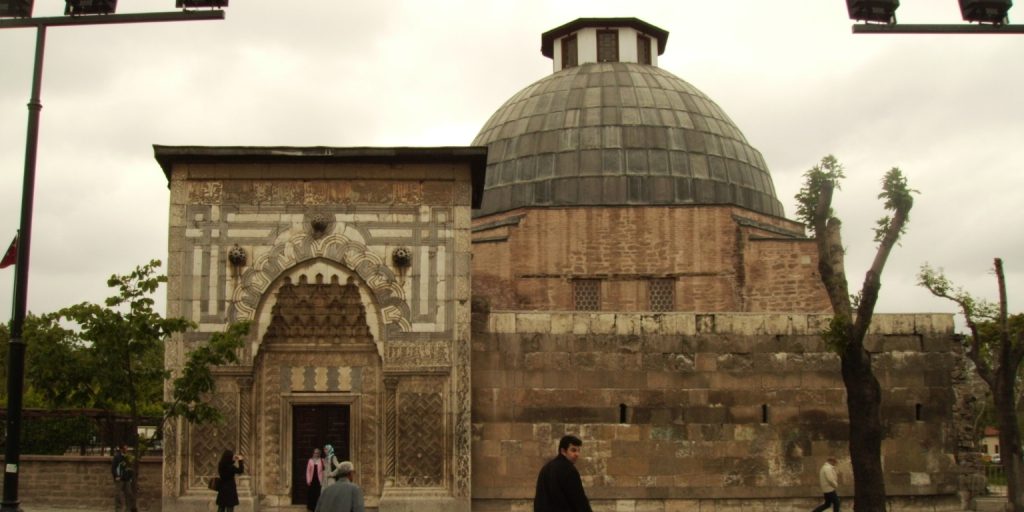
The Karatay Medresesi is celebrated for its stunning Seljuk architecture. Despite potential damage and modifications over centuries, its core elements remain, highlighting the aesthetic principles of the period.
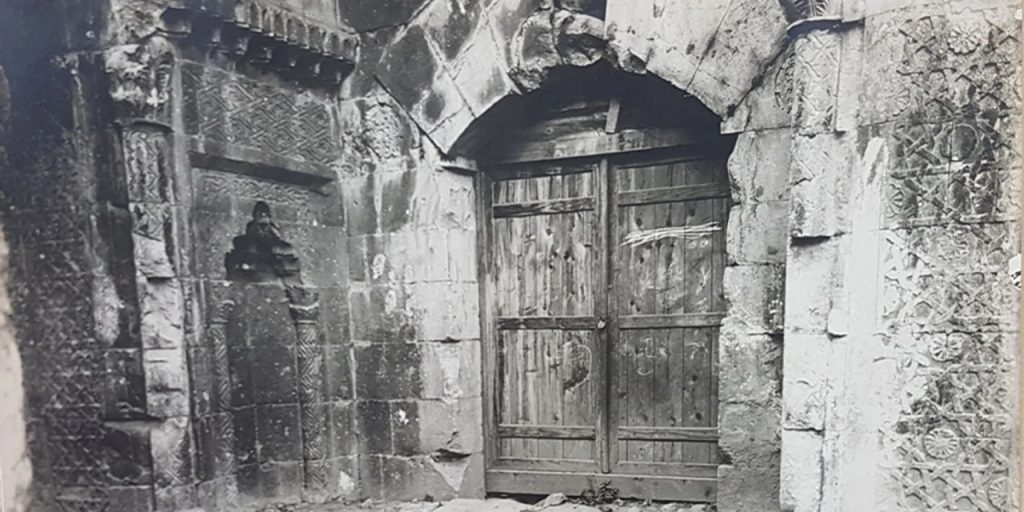
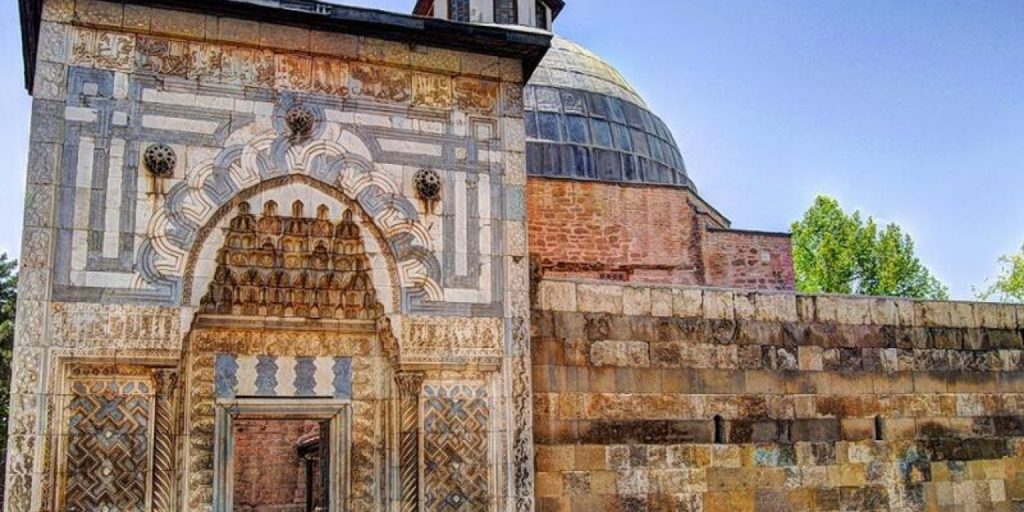
- Intricate Stone Carvings: The most striking feature is undoubtedly the ornate stone portal (main entrance) on its western facade. This monumental doorway is a masterpiece of Seljuk stonework, adorned with intricate geometric patterns, delicate floral motifs, and calligraphic inscriptions in Arabic. The precision and artistry of these carvings are breathtaking, showcasing the advanced craftsmanship of the Seljuk era.
- Unique Design: The medrese features a rectangular plan, typically with an open courtyard, though over time some elements have been altered. It is characterized by its use of cut stone and a design that emphasizes symmetry and intricate detailing, particularly around its main entryways.
- Mihrab (Prayer Niche): The mihrab, or prayer niche, within the medrese is another area where the exquisite Seljuk artistry is evident, often featuring detailed carvings and decorative elements that signify the direction of Mecca.
While it has undergone periods of disrepair and partial loss (some sources mention only the entrance portal remaining well-preserved on the western façade), efforts have been made for restoration. The medrese was also known as “Darü’s-Süleha” (House of the Righteous/Virtuous) in its original endowment documents, suggesting a broader function as a charitable and spiritual institution, possibly offering accommodation and education not just for students but also for mystics or those seeking spiritual guidance.
Karatay Medresesi Today: A Cultural Landmark
Today, the Karatay Medresesi in Antalya no longer functions as a school. Instead, it serves as a valuable historical monument and a cultural space within the vibrant Kaleiçi. It offers visitors a tranquil retreat from the bustling streets of the old town and a tangible connection to Antalya’s Seljuk past.
For those exploring Kaleiçi, the medrese is conveniently located near other significant historical sites like the Kesik Minareli Camii (Broken Minaret Mosque) and the Yivli Minare (Fluted Minaret), both also bearing Seljuk influences. A visit to the Karatay Medresesi provides an opportunity to appreciate the architectural elegance and the rich cultural heritage left behind by the Seljuk Turks, making it an essential stop on any historical tour of Antalya. Its enduring presence, dating back to its construction around 1250-1251, continues to tell the story of a powerful empire and its lasting impact on Anatolian civilization.