
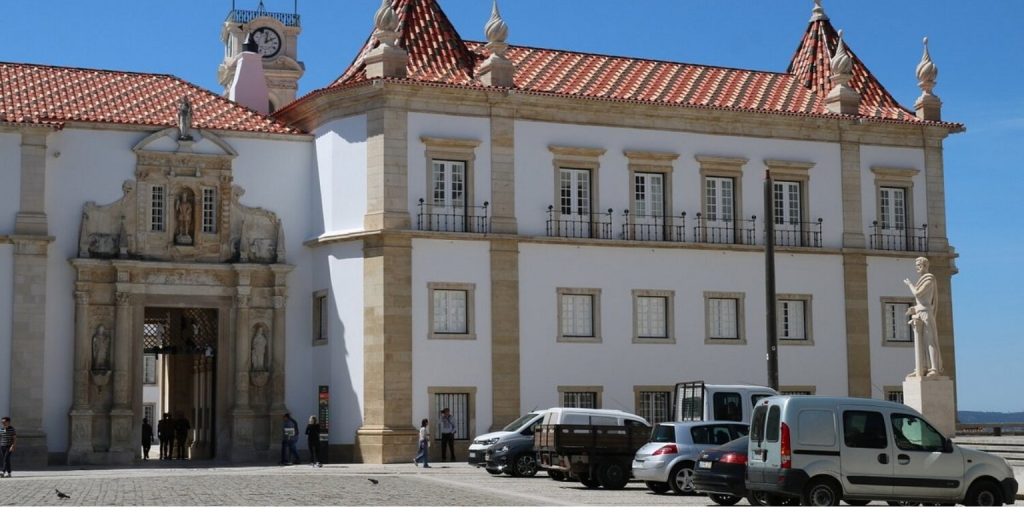
In the historic heart of Coimbra, Portugal, stands the imposing and richly symbolic Porta Férrea (Iron Gate). This grand archway serves as the principal ceremonial entrance to the University of Coimbra’s Alta (Upper City) campus, signaling a transition from the bustling city below to the venerable academic world above. More than just a physical passage, the Porta Férrea in Coimbra is steeped in centuries of history, academic tradition, and architectural significance, making it a pivotal landmark for anyone exploring the city’s intellectual heritage.
A Royal Commission and Architectural Grandeur
The origins of the Porta Férrea date back to the early 17th century. The University of Coimbra, one of the oldest in Europe, had been definitively established in Coimbra in 1537 by King John III. By the beginning of the 17th century, under the reign of King Philip II of Portugal (Philip III of Spain), who was a strong patron of the university, a significant expansion and modernization project was undertaken for the university campus in the Alta.
The Porta Férrea was constructed between 1633 and 1634, specifically designed to be the monumental gateway to this revitalized academic precinct. It was built in a distinctive Mannerist style, characterized by its robust, classical forms, often with a certain dramatic flair and an emphasis on symbolic decoration. The gate is made of stone, but its name “Iron Gate” likely derives from its heavy, iron-clad doors that would have once swung shut, or perhaps from the strong, iron-barred portcullis it may have once featured.
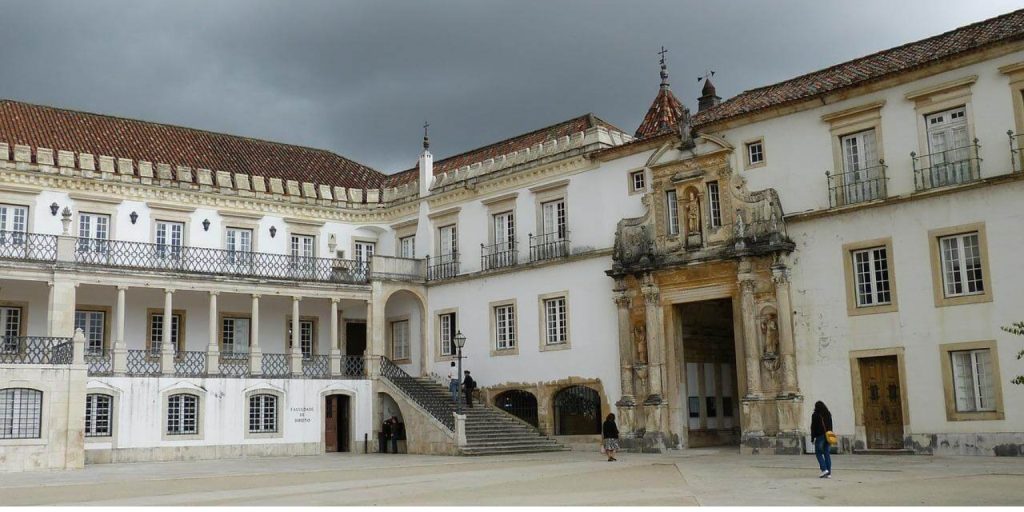
Its design includes two large Doric columns flanking the archway, supporting a heavy entablature and a prominent pediment. The pediment is adorned with royal coats of arms and allegorical figures, emphasizing the university’s connection to the monarchy and its lofty ideals. The gate’s sheer scale and robust construction were intended to convey the power, prestige, and permanence of the institution it guarded.
The Symbolic Threshold of Academia
The Porta Férrea in Coimbra holds immense symbolic weight for the University of Coimbra. For centuries, it has marked the transition from the secular world of the city to the hallowed grounds of academia. It was through this gate that new students, eager to embark on their intellectual journeys, would traditionally pass for the first time. Conversely, it was also the gate through which graduating students, now fully fledged scholars, would emerge, ready to take their place in the world.
This passage symbolized a rite of passage, a transformation, and the enduring power of knowledge. The gate’s enduring presence has seen countless generations of students, professors, and dignitaries pass beneath its arch, imbuing it with a tangible sense of history and tradition. It is a silent witness to centuries of academic life, from lectures and debates to student festivities and solemn ceremonies.
A Component of a UNESCO World Heritage Site
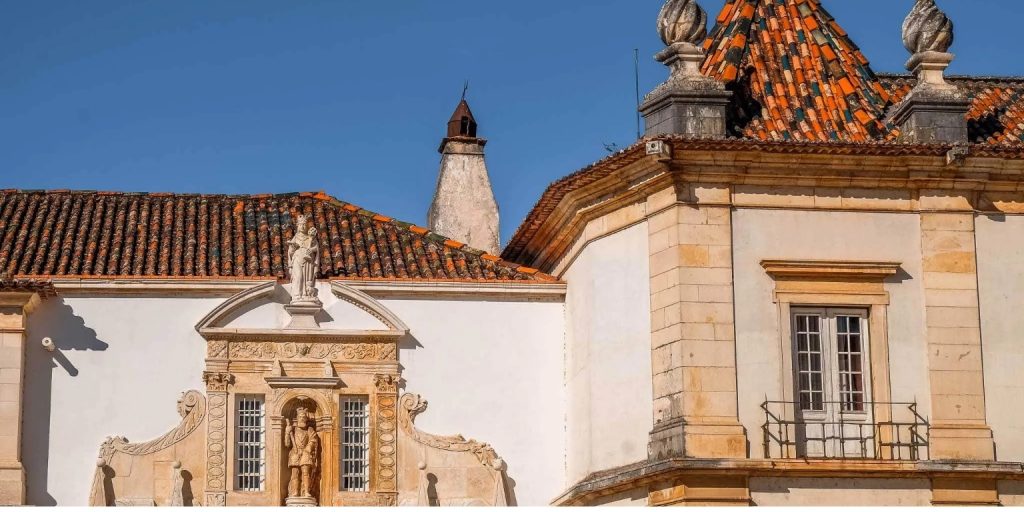
Today, the Porta Férrea is an integral part of the University of Coimbra – Alta and Sofia, which was designated a UNESCO World Heritage site in 2013. This prestigious recognition acknowledges the university’s exceptional contribution to the architecture, urban development, and academic traditions of Portugal and the Portuguese-speaking world over more than seven centuries. The Porta Férrea is highlighted as a key architectural element of the 17th-century expansion of the University, showcasing the Mannerist style applied to its monumental main entrance.
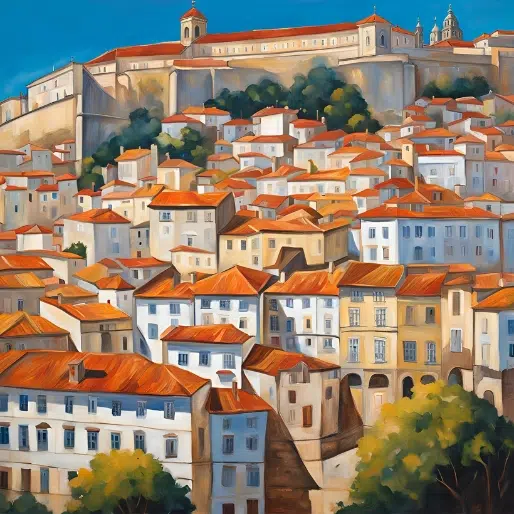
Beyond its historical and architectural significance, the Porta Férrea offers practical advantages. It is located at the top of a steep but charming ascent, often near the famous “Quebra Costas” (Break Ribs) alley. Standing at the gate provides a magnificent vantage point, offering panoramic views of the city of Coimbra cascading down towards the Mondego River.
While the heavy iron doors are no longer closed, the Porta Férrea in Coimbra, constructed in 1633-1634 under royal patronage, remains a powerful and evocative landmark. It continues to be the primary entrance for visitors eager to explore the historic university buildings, including the Joanina Library, the Royal Palace, and the Chapel of São Miguel. It stands as a timeless symbol of Coimbra’s profound academic heritage, inviting all who pass through its archway to reflect on the pursuit of knowledge and the enduring legacy of one of Europe’s most venerable universities.
Coimbra Scavenger Hunt and Self-Guided Tour
<div class="wp-block-uagb-tabs uagb-block-a029b1f4 uagb-tabs__wrap uagb-tabs__hstyle1-desktop uagb-tabs__vstyle…