
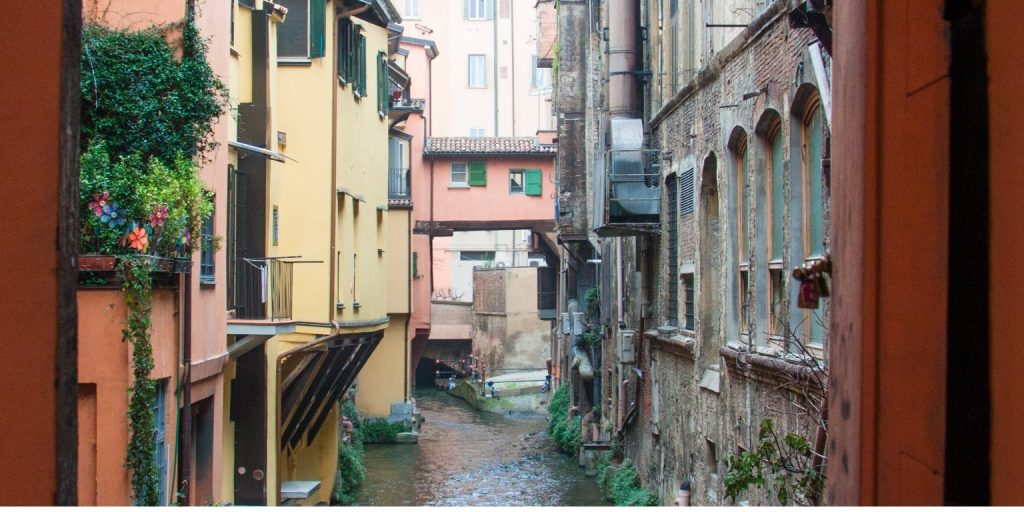
Bologna, a city renowned for its medieval porticoes, vibrant red brick, and rich culinary traditions, holds a delightful secret tucked away on a seemingly ordinary street. The Little Window in Via Piella in Bologna: A Hidden Glimpse of the Past near the heart of the historic center, a small, unassuming little window (Finestrella di Via Piella) offers a captivating and unexpected view: a shimmering canal flowing beneath the buildings.
Bologna’s Hidden Waterways: A Medieval Legacy
While today Bologna is primarily known for its land-based architecture, in the Middle Ages, it was a city of significant hydraulic engineering. From the 12th century onwards, a sophisticated system of canals was constructed to harness the power of the rivers Reno and Savena. These canals served multiple crucial purposes:
- Industrial Power: They provided energy for numerous mills (particularly silk mills, which fueled Bologna’s flourishing textile industry), paper mills, and other workshops. This made Bologna a wealthy and industrially advanced city in the medieval period.
- Transportation: The canals facilitated the transport of goods, connecting Bologna to the River Po and eventually to the Adriatic Sea, turning it into an important trading hub.
- Water Supply and Sanitation: They supplied water for daily life and helped with sanitation.
Over centuries, as industries declined and sanitation became a more pressing concern, many of these canals were progressively covered over, paved, or diverted, particularly from the early 20th century onwards. By the mid-20th century, most of Bologna’s waterways had vanished from public view, concealed beneath roads and buildings.

The Finestrella: A Deliberate Reveal
The little window in Via Piella is one of the few places where this hidden history is intentionally revealed. It’s located at Via Piella 25, near the intersection with Via Oberdan. The window itself is not ancient; it was created much more recently, likely in the mid-20th century when Bologna’s “hidden canals” began to gain a romantic and historical mystique. The idea was to offer a specific, accessible vantage point for locals and tourists to peer into this submerged past.
When you open the small wooden shutters, you are greeted by the sight of the Canale di Reno, a significant part of Bologna’s ancient canal network, flowing openly between the backs of the buildings. The water runs relatively swiftly, often carrying small boats on guided tours (though not visible from the window itself), and the scene is remarkably picturesque, especially when compared to the bustling street just outside. The buildings on either side appear to rise directly from the water, creating a Venetian-like charm that many visitors find surprising and delightful in the heart of a “landlocked” city.
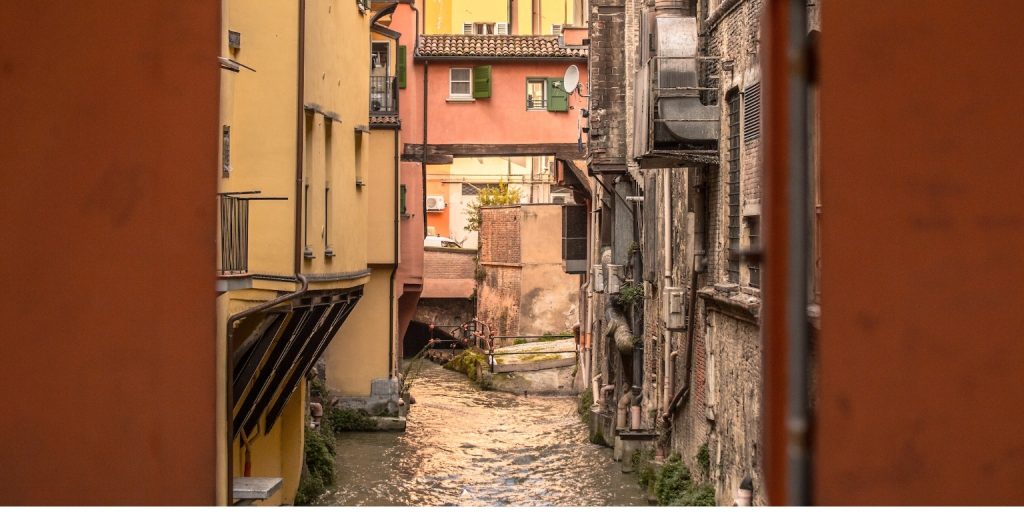
A Romantic Glimpse into Industrial Power
The little window in Via Piella in Bologna has become an unexpected tourist attraction precisely because of this element of surprise and discovery. It offers a tangible connection to the city’s medieval economic prowess and the ingenious engineering that underpinned it. It challenges the common perception of Bologna as solely a city of arches and towers, adding a layer of hidden depth and charm.
For those exploring Bologna’s rich history, the Finestrella is more than just a photo opportunity; it’s a moment of reflection on how cities adapt and evolve, how once-vital arteries can become forgotten secrets. It speaks to the ingenuity of past generations and the enduring appeal of uncovering hidden beauty.
While the primary “canal experience” in Bologna involves exploring the restored navigation locks or taking guided tours on larger, accessible sections of the canals, the little window in Via Piella remains the most famous, accessible, and charming symbol of Bologna’s hidden watery past. It’s a testament to the city’s layers of history and a perfect example of how a small, unassuming detail can reveal a grand, forgotten narrative.