
Perched on the Belgian-Dutch border, just a short distance from the historic city of Maastricht, stands Fort Eben-Emael, a name that resonates with profound significance in military history. This massive, sprawling fortress, once considered one of Europe’s most formidable defensive structures, was the linchpin of Belgium’s defense against a German invasion in 1940. While located in Belgium, its very existence was tied to the strategic protection of the vital Albert Canal bridges leading directly toward Maastricht. A visit to Fort Eben-Emael in Maastricht offers a gripping, sobering, and unforgettable journey into the heart of a pivotal World War II battle.
The “Impregnable” Shield of Belgium
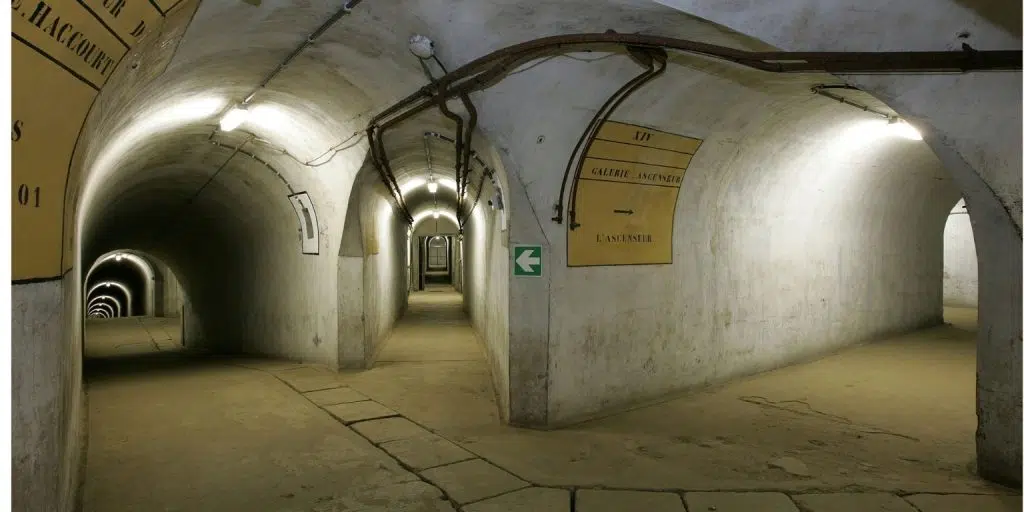
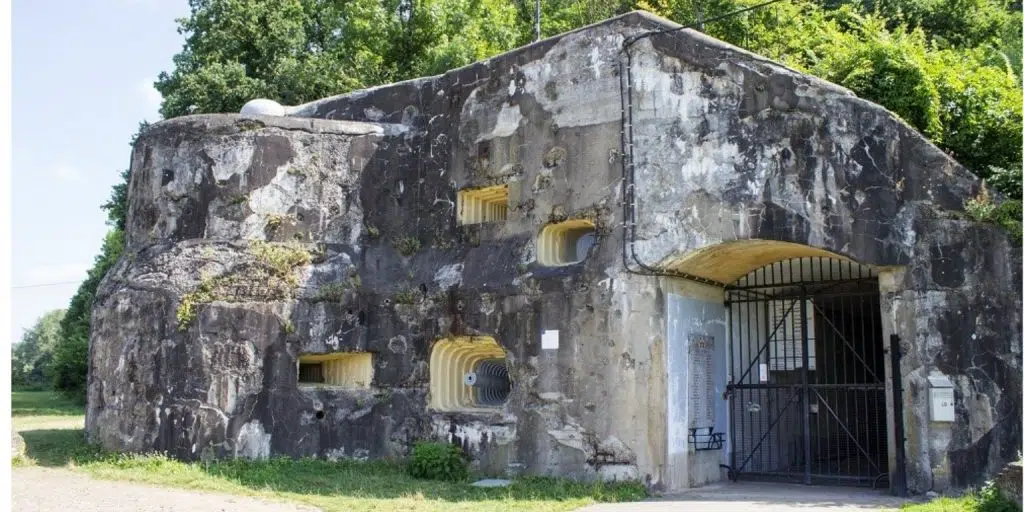
Constructed between 1932 and 1935, Fort Eben-Emael was a monumental feat of military engineering. Carved into a marl hill overlooking the Albert Canal, the fort was a vast underground city, complete with barracks, a hospital, and extensive ammunition magazines. Its surface was a fortified plateau bristling with 17 bunkers and gun cupolas, housing powerful artillery that could reach for miles in every direction. The fort’s guns were specifically designed to dominate the three critical bridges over the Albert Canal at Veldwezelt, Vroenhoven, and Kanne, which provided the quickest route for an invading army into Belgium. At the time, the fortress was considered impregnable, a testament to the static, defensive military thinking of the interwar period.
However, the German High Command understood that the fort’s guns were the single greatest threat to their planned invasion of the Low Countries. If the bridges were to be seized quickly, Fort Eben-Emael had to be neutralized. What followed was one of the most audacious and innovative military operations of World War II.
The German Glider Assault: A New Era of Warfare
In the pre-dawn hours of May 10, 1940, the Germans launched their invasion, and a small, elite force known as Sturmabteilung Koch was tasked with the seemingly impossible mission of taking Fort Eben-Emael. In a brilliant display of tactical genius, a handful of German paratroopers were landed silently on the fort’s roof in military gliders. This was the first-ever glider-borne airborne assault in history, catching the Belgian garrison completely by surprise.
Armed with a new weapon—the hollow charge—the paratroopers methodically went about their mission. These specialized explosives were used to blast through the steel cupolas and concrete defenses, effectively neutralizing the fort’s main artillery guns within minutes of the attack. Simultaneously, other glider teams seized two of the three vital bridges, which the fort’s defenders were now unable to destroy. The supposedly impregnable fortress was rendered deaf and blind. The battle continued for roughly 30 hours, but with its primary weapons destroyed and the garrison trapped underground, the fort surrendered on May 11. The swift fall of Fort Eben-Emael opened a critical corridor for German forces, enabling their lightning-fast advance (Blitzkrieg) into Belgium and France.
A Powerful and Accessible Historical Site Today
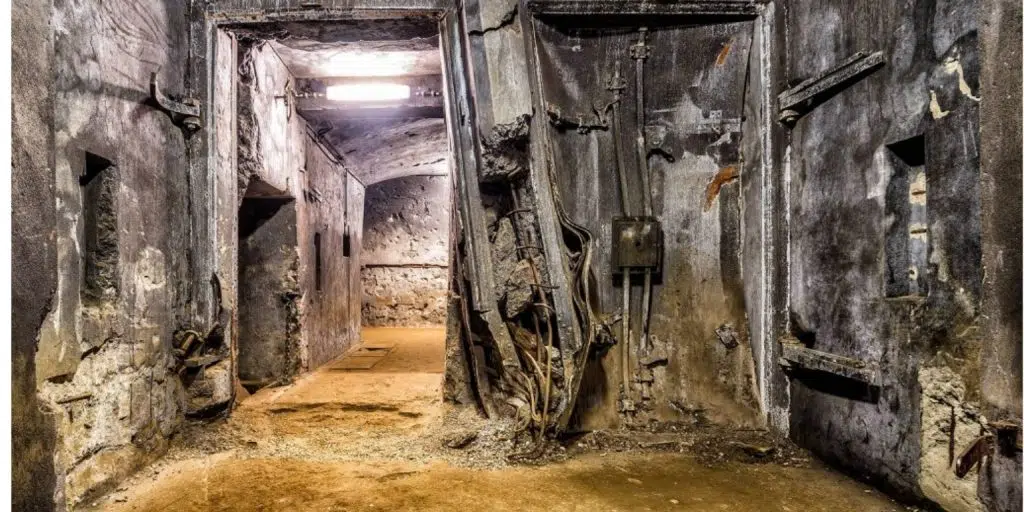
After decades of disuse, Fort Eben-Emael was opened to the public as a museum, offering an unparalleled look into this pivotal moment of the war. Today, visitors can explore the immense network of underground tunnels, the preserved living quarters, and the various command posts. Guided tours provide vivid details of the attack, the new technologies used, and the human drama that unfolded in those fateful hours. The immense, flattened gun turrets and bomb craters on the surface stand as powerful, silent witnesses to the devastating power of the German assault.
The Fort Eben-Emael in Maastricht is a popular destination for history buffs, military enthusiasts, and anyone interested in understanding the turning points of World War II. Its close proximity to Maastricht makes it an easily accessible and deeply impactful day trip. More than just a museum, it is a monument to courage, innovation, and a stark reminder that even the most impenetrable defenses can be overcome by a combination of surprise and a new way of thinking. It’s a place where history comes alive, and the strategic importance of this small corner of Europe is made startlingly clear.