
Perched high on San Giusto Hill, the historical heart of the city, lies an archaeological treasure that forms the foundation of modern Trieste. The Roman Forum, or Foro Romano di Trieste, is a testament to the city’s deep and enduring roots in the Roman Empire. Far from the bustling waterfront and the grand squares of the Habsburg era, this site offers a quiet and profound glimpse into the ancient city of Tergeste, providing a vital link between past and present. A visit to the Roman Forum monument is an essential part of understanding Trieste’s layered and complex identity.
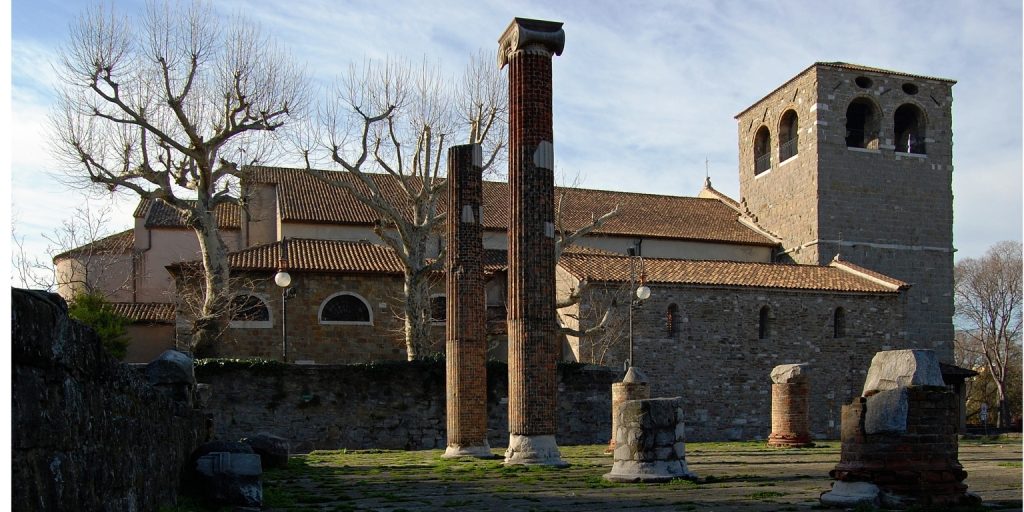
The Heart of Ancient Tergeste
The history of the Roman Forum began in the late 1st century BC and early 1st century AD, during the reign of Emperor Augustus. At this time, Trieste, then known as Tergeste, was a thriving Roman colony and an important port on the Adriatic Sea. As was customary in Roman urban planning, the forum was established as the political, administrative, and religious center of the city. It was the hub of public life, where citizens gathered for markets, legal proceedings, and religious ceremonies.
The forum was a grand public space, surrounded by monumental buildings that underscored the city’s importance. It was flanked by a massive civil basilica, a hall used for legal and commercial business, and a Capitolium, a sacred temple dedicated to the Capitoline Triad of Jupiter, Juno, and Minerva, the most revered gods in the Roman pantheon. This collection of buildings served as the heartbeat of Tergeste, reflecting its civic pride and imperial status.
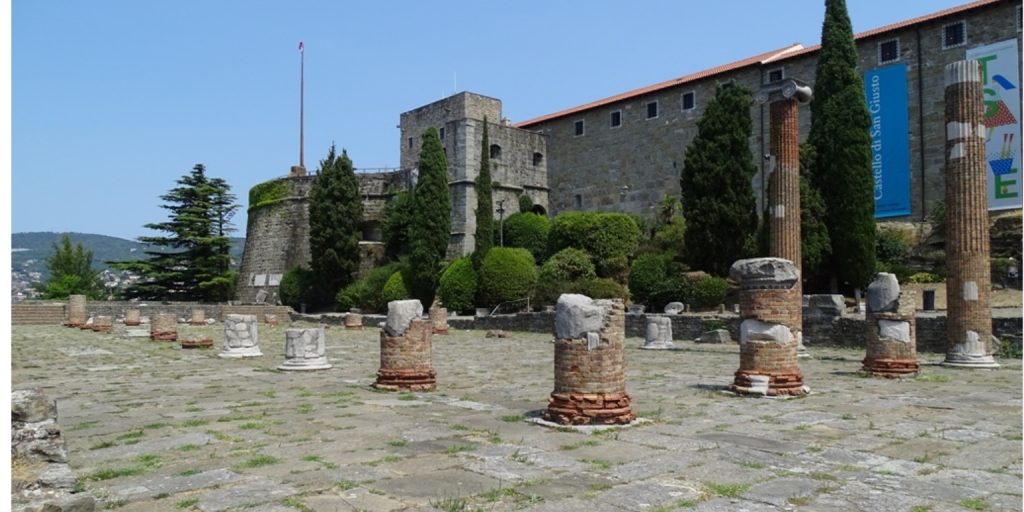
Ruins That Tell a Story
Today, visitors to the Roman Forum can explore the well-preserved ruins that were largely unearthed during archaeological excavations in the 1930s. The site is an open-air archaeological park that invites visitors to walk through history. The most prominent remains are the foundations of the Roman Basilica, which once housed three naves and was a vital part of the forum’s daily activities. Parts of the ancient structure’s original columns have been carefully re-erected, giving a sense of the scale and grandeur of the building.
Adjacent to the basilica, the ruins of the Propylaea—a monumental gateway that served as the entrance to the sacred area of the Capitolium—are also visible. This structure, now integrated into the foundations of the Trieste Cathedral, serves as a powerful visual link between the Roman, medieval, and modern eras. The very stones of the cathedral’s bell tower are a fascinating mosaic of Roman and medieval fragments, a testament to the seamless way in which new civilizations were built upon the foundations of the old. For those seeking a deeper understanding of the artifacts found at the site, the Lapidario Tergestino—a collection of Roman stone monuments—is housed nearby within the walls of the San Giusto Castle.
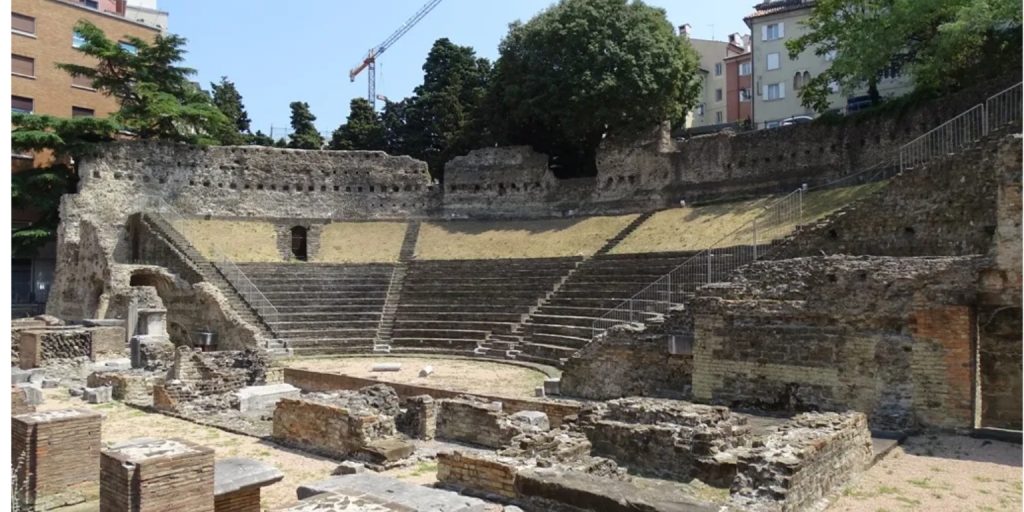
A Living Link to the Past
The Roman Forum is not merely a collection of ruins; it is a fundamental part of Trieste’s identity. It represents the city’s ancient origins and its continuous evolution over more than two millennia. Unlike many other Roman sites that are isolated from their urban context, the Trieste forum is a living part of the city. It is located on a public hill, and there is no admission fee to visit the ruins, allowing locals and tourists alike to easily walk through this extraordinary piece of history.
As you stand among the ancient stones of the Roman Forum, you can gaze out at the same panorama that Roman citizens would have enjoyed, with the city and the Adriatic Sea stretching out below. The Roman Forum in Trieste is a place of profound historical and cultural significance, reminding all who visit that the vibrant, modern city we see today is built upon layers of civilization. It is a powerful symbol of Trieste’s resilience and its enduring ability to preserve its rich past for future generations.