
In the elegant Piazza della Borsa, a central square that was once the bustling hub of Trieste’s commerce, stands a powerful and enduring symbol of the city’s past. The Leopold Column, or Colonna di Leopoldo I, is a magnificent 17th-century monument that commemorates a pivotal moment in Trieste’s history—a time of gratitude, resilience, and unwavering loyalty. While overshadowed by the grander sights of Piazza Unità d’Italia, this stately column offers a more intimate and profound glimpse into the city’s deep-rooted connection with the Habsburg Empire and its enduring spirit.
A Monument to Gratitude and Relief
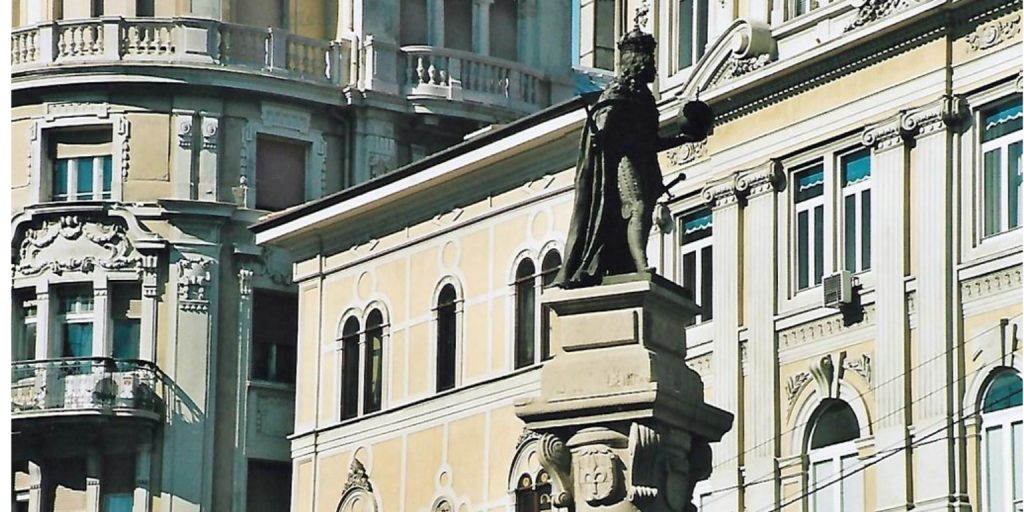
The story of the Leopold Column begins in the late 17th century, a period of immense challenge for Trieste. The city had been ravaged by a devastating plague epidemic, which brought its vibrant commercial life to a standstill. In a desperate plea for help, the citizens turned to their ruler, Emperor Leopold I of the Habsburg Monarchy. The Emperor responded with decisive measures and support, helping the city to contain the plague and begin the long, arduous process of recovery.
In a profound gesture of gratitude and loyalty, the city commissioned the monument in 1673 as a permanent thank you to their Emperor. The column was completed in 1678, a fitting tribute to a leader whose support saved the city and allowed it to regain its economic footing. The Leopold Column stands as a solemn monument to all those who suffered during the plague, but more importantly, as a beacon of hope and a testament to the city’s resilience and strong ties to the Habsburg crown.
An Artistic Statement of Power and Protection
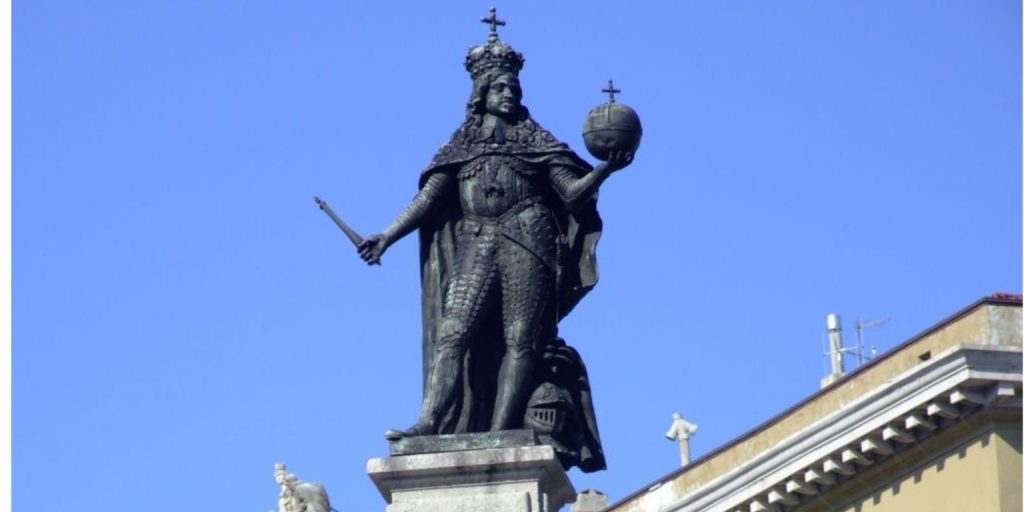
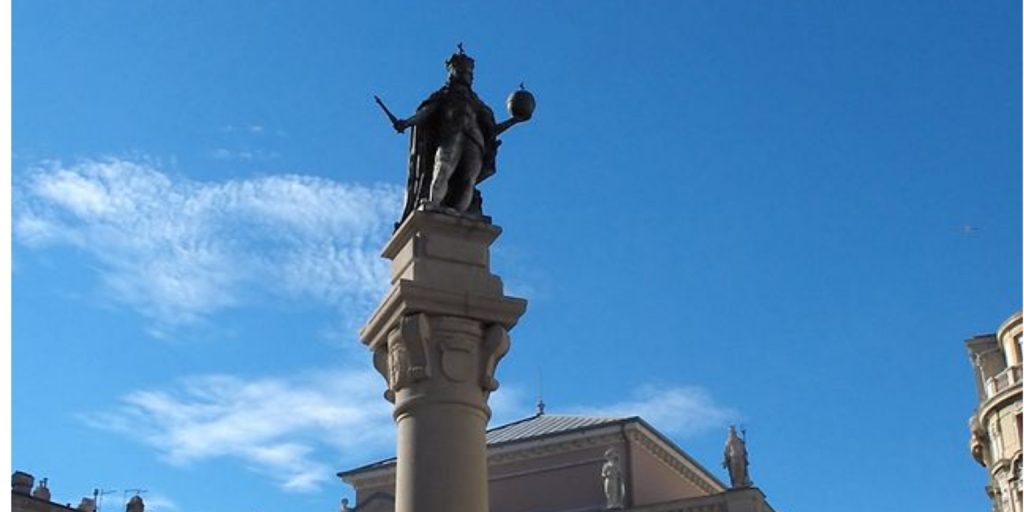
The Leopold Column is a striking example of 17th-century Baroque civic art. At its base, a series of allegorical figures and symbols depict Trieste’s prosperity and its connection to the Emperor. Elaborate coats of arms and cornucopias, overflowing with abundance, represent the city’s renewed economic vitality. The central marble column rises gracefully, its smooth surface directing the eye upward to the grand finale.
Perched atop the column is a majestic bronze statue of Emperor Leopold I, the central figure of the monument. Created by the skilled Venetian sculptor Giovanni Mazzoleni, the emperor is depicted in a commanding pose, his hand holding a commander’s staff, looking out over the city as if to offer his eternal protection. The statue’s powerful presence symbolizes the imperial authority that presided over Trieste for centuries and was responsible for its transformation into a major European port.
A Symbol of Trieste’s Identity
Today, the Leopold Column serves as a vital historical marker and a beloved part of Trieste’s urban fabric. Its location in Piazza della Borsa is significant, as this was historically the heart of the city’s commercial dealings. The column stands as a silent witness to centuries of trade and economic evolution, from the days of the Habsburg Empire to the modern era.
For visitors, the Leopold Column is an essential stop on any tour of Trieste. While less ornate than the nearby Fountain of the Four Continents, its simple grandeur and profound historical meaning make it equally compelling. It’s a perfect spot for reflection, a place to consider the city’s deep connection to a bygone empire and the pivotal moments that shaped its destiny. The Leopold Column in Trieste is not just a statue on a pedestal; it is a permanent tribute to gratitude, a powerful symbol of loyalty, and an elegant reminder of the complex and fascinating history of this unique and beautiful Italian city.
Further reading on Wikipedia: Leopold I, Holy Roman Emperor