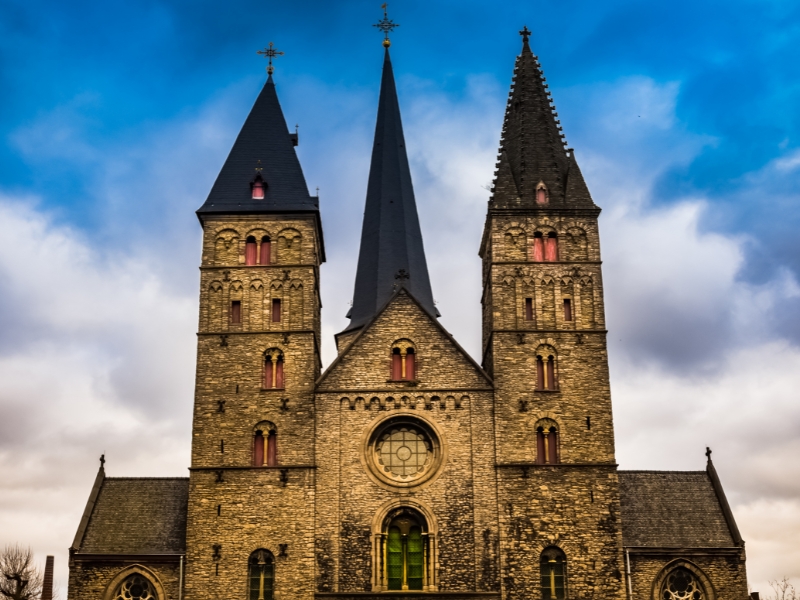
Sint-Jacobskerk in Ghent: Romanesque Towers and a Pilgrim’s Shell
Sint-Jacobskerk in Ghent: 12th-century Romanesque towers, the pilgrim’s shell at the door, Coxcie’s 1579 triptych and the festival square. Checked October 2026.
Sint-Jacobskerk in Ghent: 12th-century Romanesque towers, the pilgrim’s shell at the door, Coxcie’s 1579 triptych and the festival square. Checked October 2026.
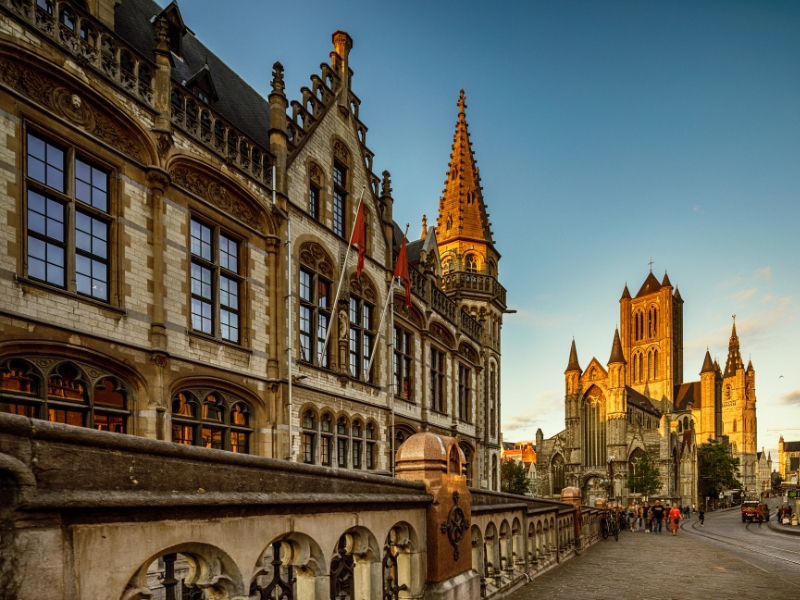
The Korenmarkt in Ghent: the medieval grain market, Edward III’s claim to France in 1340, the Old Post Office and the view of three towers. Checked October 2026.
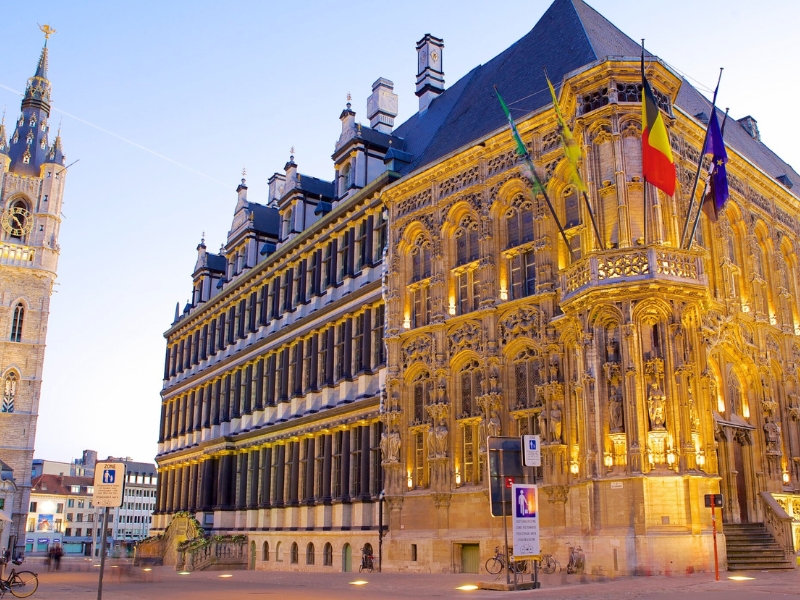
Ghent City Hall: a late-Gothic wing of 1519–1539 and a Renaissance wing of 1595–1618 on one block, and the Pacification Hall. Checked October 2026.

Saint Bavo’s Cathedral (Sint-Baafskathedraal in Dutch) stands as a majestic testament to Ghent’s rich history and its enduring artistic legacy.

The Belfry of Ghent: Belgium’s tallest belfry, its 1377 dragon, the Roland bell, the Hemony carillon and the Mammelokker jail gate. Checked October 2026.

St Nicholas’ Church in Ghent: the merchants’ church on Korenmarkt, its old lookout tower, the 1856 organ and the three-tower view. Checked October 2026.
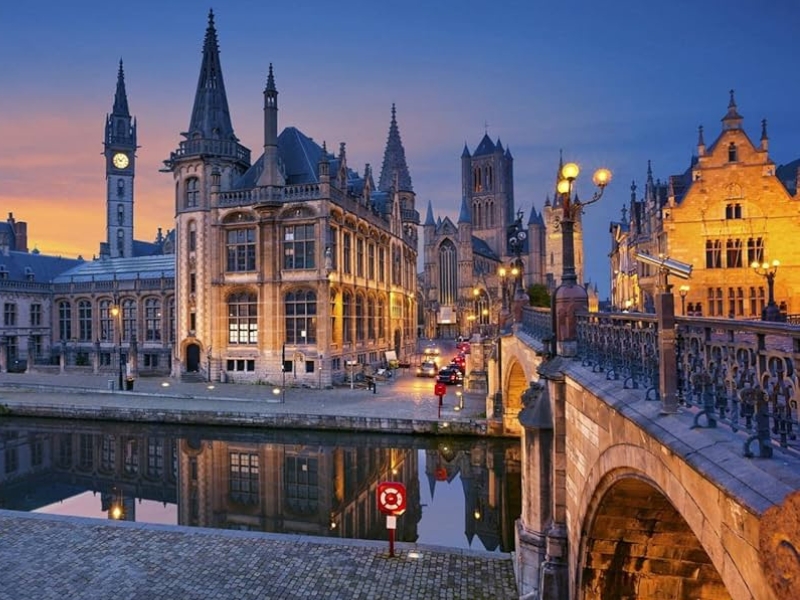
St Michael’s Bridge in Ghent: the 1905–1909 stone arch built for the 1913 World’s Fair, the St Michael lamp and the three-tower view. Checked October 2026.
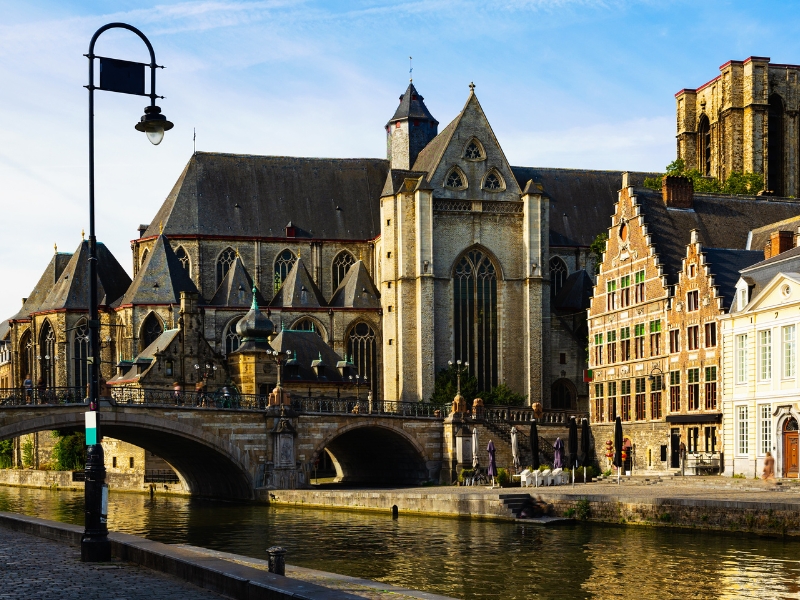
St Michael’s Church in Ghent: Van Dyck’s Crucifixion, a 134-metre spire that was never built, the free-beer story and the best view of Ghent. Checked October 2026.
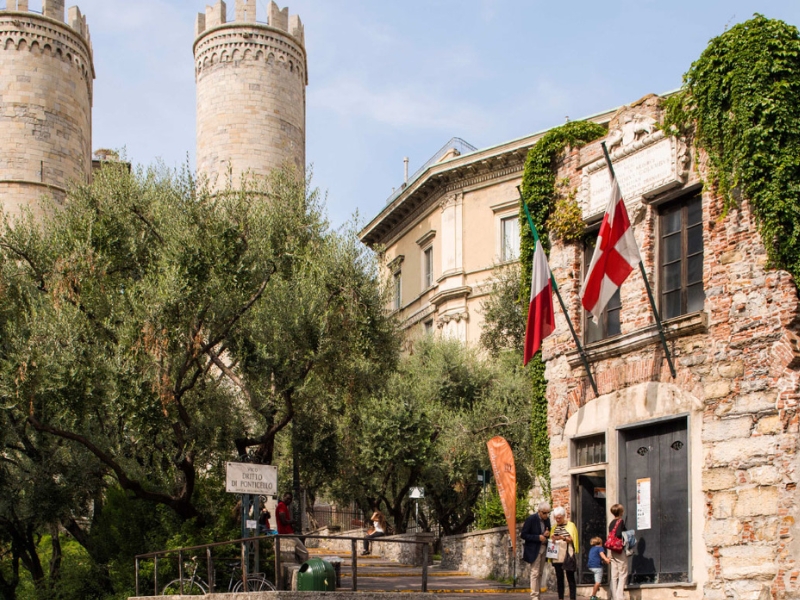
The Christopher Columbus’ House, located in Genoa, Italy, offers a fascinating glimpse into the early life of one of history’s
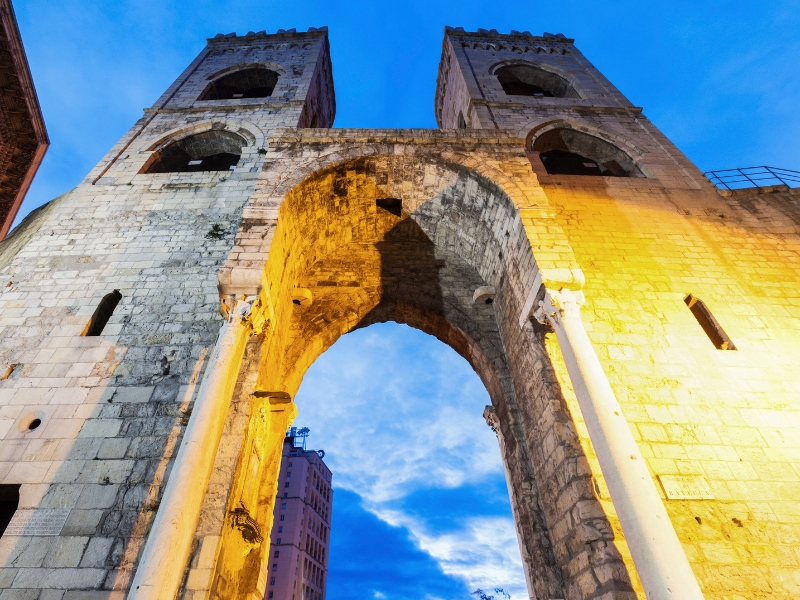
Porta Soprana, a majestic medieval gate, stands as a powerful symbol of Genoa’s history and its enduring spirit. This imposing

Piazza De Ferrari in Genoa: the bronze fountain of 1936, the Carlo Felice opera house, the 1945 surrender and the duke behind the name. Checked October 2026.
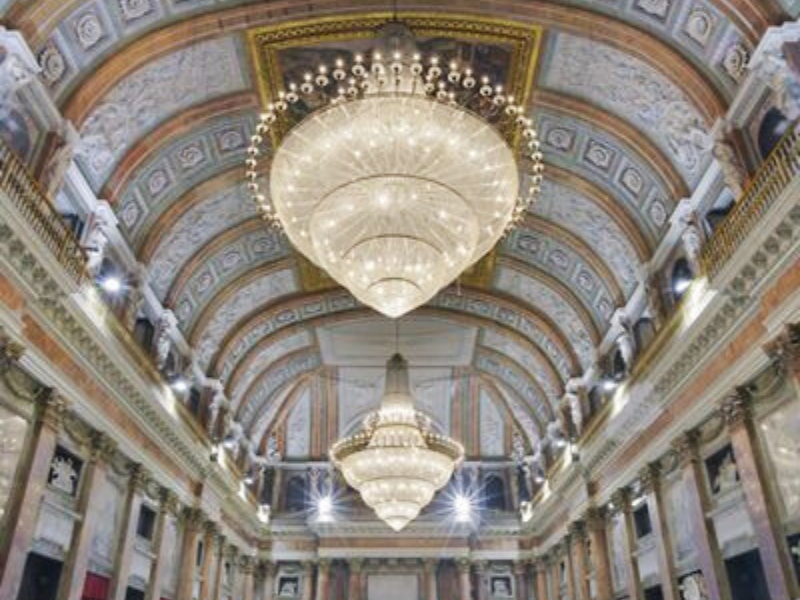
Doge’s Palace, a majestic edifice dominating Piazza Matteotti in Genoa, Italy, stands as a powerful symbol of the city’s maritime