
Table of Contents
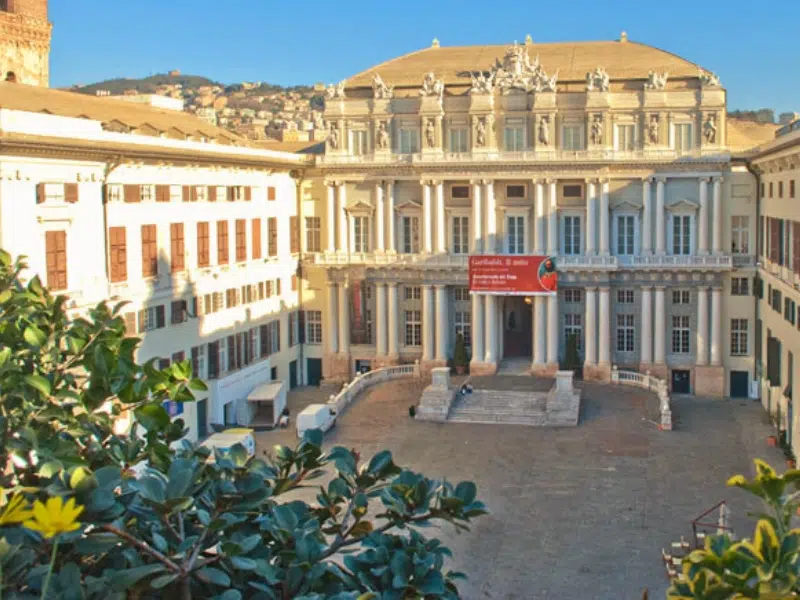
Doge’s Palace, a majestic edifice dominating Piazza Matteotti in Genoa, Italy, stands as a powerful symbol of the city’s maritime power and its rich historical legacy. This iconic palace, once the seat of the Doge, the chief magistrate of the Republic of Genoa, offers a captivating glimpse into the city’s golden age and its enduring connection to the sea.
A Seat of Power and Maritime Might
Construction of the Doge’s Palace began in 1291, a testament to the burgeoning power of the Republic of Genoa. This ambitious project aimed to establish a permanent seat of government, a symbol of civic authority that would reflect the city’s growing influence on the Mediterranean stage.
Strategically located in the heart of the city, the palace served as the nerve center of Genoa’s maritime activities. It housed the offices of the Doge, the Doge’s Council, and other government officials, overseeing trade routes, managing the city’s navy, and administering justice. The palace played a pivotal role in the city’s rise to prominence as a major maritime power, facilitating trade with distant lands and ensuring the security of its maritime interests.
A Blend of Architectural Styles
The Doge’s Palace itself is a fascinating blend of architectural styles, reflecting the city’s evolving architectural tastes and fortunes over the centuries. The original 13th-century structure, built in the Romanesque style, has been significantly altered and expanded over time.
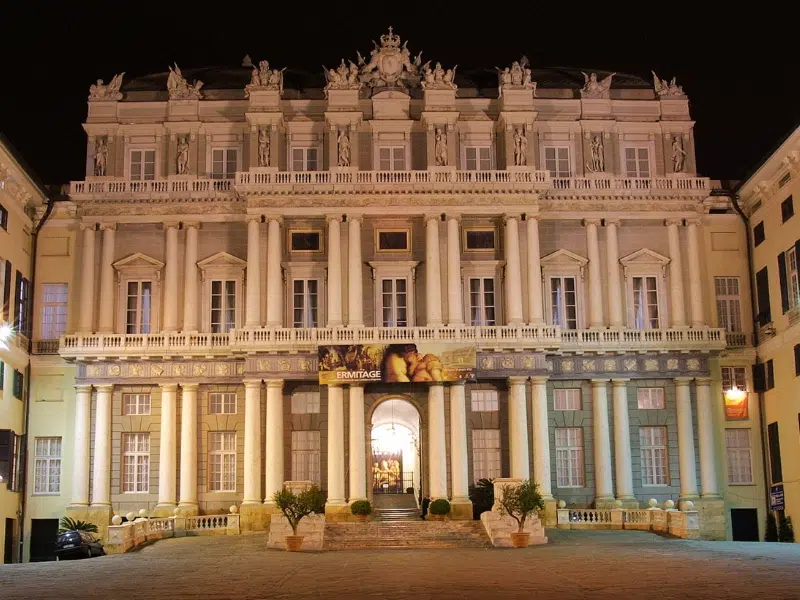
Subsequent renovations and additions, particularly during the Renaissance period, incorporated elements of Gothic and Baroque architecture. These modifications resulted in a unique and captivating building that reflects the city’s changing architectural tastes and fortunes over the centuries. The façade, with its intricate stonework, arched windows, and elegant balconies, is a testament to the skill and artistry of the architects who shaped its appearance.

A Living Museum of History
Today, the Doge’s Palace continues to play an important role in the city’s cultural life. It houses a museum that offers a fascinating glimpse into the city’s rich history and maritime heritage. Visitors can explore the palace’s magnificent halls, including the Sala del Maggior Consiglio (Hall of the Great Council) and the Sala del Minor Consiglio (Hall of the Lesser Council), adorned with frescoes and paintings that depict the city’s history and its maritime triumphs.
The palace also hosts a variety of exhibitions throughout the year, showcasing art from various periods and exploring different aspects of Genoese history and culture. These exhibitions further enrich the visitor experience, providing a deeper understanding of the city’s past and its enduring legacy.
A Symbol of Genoese Grandeur
Doge’s Palace is more than just a building; it is a symbol of Genoa’s power, its wealth, and its enduring legacy. It stands as a testament to the city’s maritime dominance, its cultural achievements, and its role as a major player in the Mediterranean world.
By visiting Doge’s Palace, you can connect with the city’s past, appreciate its architectural grandeur, and gain a deeper understanding of Genoa’s rich history and its enduring contribution to world history.
Doge’s Palace is part of Genoa scavenger hunt and walking tour!
Embark on an unforgettable journey through the enchanting city of Genoa with World City Trail. Our interactive walking tour combines the thrill of exploration with the rich history and culture of this beautiful city.
Key Features:
Interactive gameplay: Solve engaging puzzles and challenges as you explore the city.
Hidden gems: Uncover lesser-known spots.
Cultural insights: Learn about the city’s fascinating history.
Flexibility: Explore at your own pace and create your own itinerary.
Family friendly activity and a great way to explore the city!
Further reading on Wikipedia: Genoa