
Table of Contents
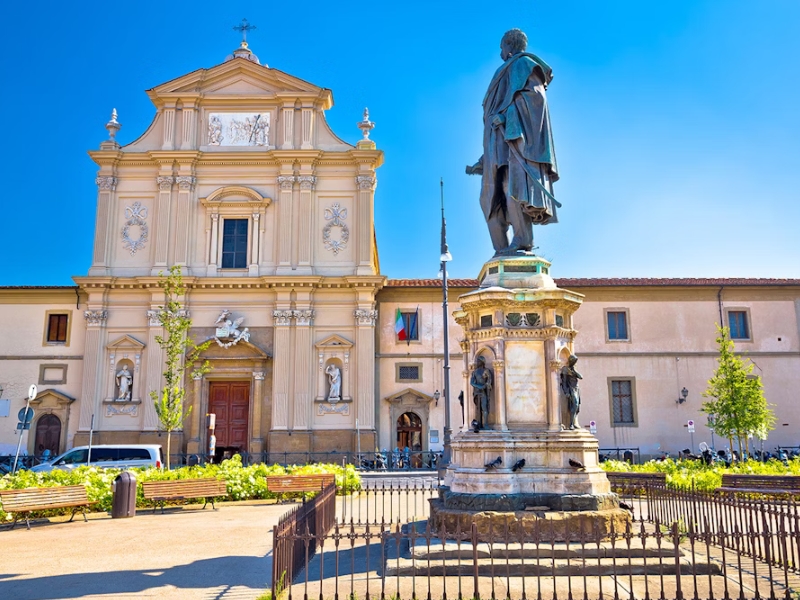
San Marco is a historic Dominican monastery and church complex located in the heart of Florence, Italy. Renowned for its stunning architecture, world-class art collection, and serene atmosphere, it is a must-visit destination for art and history enthusiasts.
A Glimpse into History
The Dominican friars established the monastery of San Marco in the 13th century. Over the centuries, the complex has undergone significant expansions and renovations, resulting in a stunning blend of architectural styles. The church, with its elegant façade and soaring bell tower, is a masterpiece of Florentine Gothic architecture.
The interior of the church is equally impressive, featuring a spacious nave adorned with beautiful frescoes and intricate marble inlay work. The high altar is a stunning piece of Renaissance art, featuring sculptures and paintings by renowned artists.
A Treasure Trove of Art
One of the most significant features of San Marco is its extensive collection of Renaissance art. The monastery’s cells were once home to Dominican friars who were also renowned artists and scholars. The walls of these cells are adorned with beautiful frescoes painted by Fra Angelico, one of the greatest Italian Renaissance painters.
Fra Angelico’s frescoes at San Marco are considered among the finest examples of early Renaissance art. His works are characterized by their vibrant colors, delicate details, and spiritual depth. The frescoes depict scenes from the lives of saints and biblical figures, and they offer a glimpse into the religious and artistic sensibilities of the 15th century.
A Spiritual Retreat
Beyond its artistic significance, San Marco remains an active religious community. The church, with its serene atmosphere and beautiful architecture, is a popular destination for prayer and meditation. Visitors can attend Mass or simply sit in quiet contemplation.
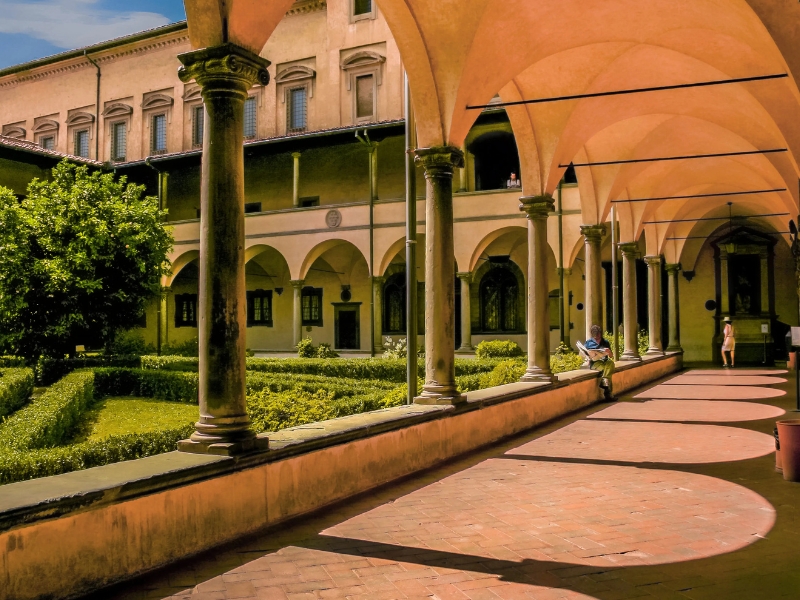
The monastery’s cloisters provide a peaceful retreat from the bustling city. The cloistered walkways are adorned with beautiful frescoes and offer a tranquil setting for reflection.
A Cultural Hub
San Marco has played a significant role in the cultural and intellectual life of Florence. The monastery’s library, the Biblioteca di San Marco, is one of the oldest and most prestigious libraries in Italy. It houses a vast collection of manuscripts, incunabula, and rare books.
The library was once home to the famous Dominican friar and philosopher Giordano Bruno. Bruno’s radical ideas and controversial teachings led to his persecution and eventual execution by the Inquisition.
Tips for Visiting San Marco
- Best Time to Visit: The best time to visit San Marco is during the spring and autumn months when the weather is mild and the crowds are smaller.
- Guided Tours: Consider joining a guided tour to learn more about the history and art of the monastery.
- Photography: Photography is allowed inside the monastery, but it’s important to be respectful and avoid using flash photography.
- Nearby Attractions: San Marco is located near many other attractions in Florence, including the Duomo, the Uffizi Gallery, and the Ponte Vecchio.
- Local Cuisine: After visiting the monastery, enjoy a delicious meal at one of the many restaurants and cafes in the area.
By visiting San Marco, you can immerse yourself in the rich history and artistic heritage of Florence. This iconic landmark is a must-see for any visitor to the city.
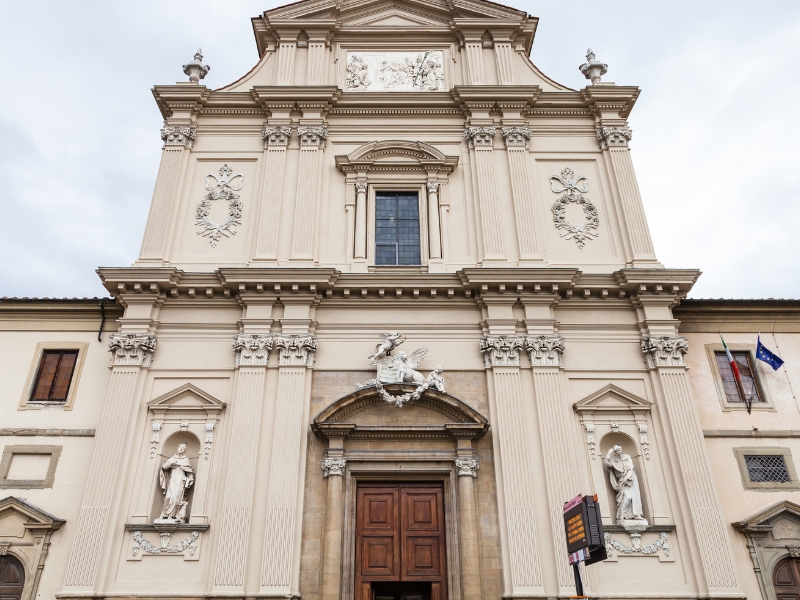
San Marco is part of Florence scavenger hunt and walking tour!
Embark on an unforgettable journey through the enchanting city of Florence with World City Trail. Our interactive walking tour combines the thrill of exploration with the rich history and culture of this beautiful city.
Key Features:
Interactive gameplay: Solve engaging puzzles and challenges as you explore the city.
Hidden gems: Uncover lesser-known spots.
Cultural insights: Learn about the city’s fascinating history.
Flexibility: Explore at your own pace and create your own itinerary.
Family friendly activity and a great way to explore the city!
Further reading on Wikipedia: Florence