
Table of Contents
Montpellier, a vibrant city in southern France, is a captivating blend of history and modernity. Explore the world’s oldest continuously operating medical school, wander through the charming old town, and enjoy breathtaking views from the Promenade du Peyrou. With its rich cultural heritage, renowned wine region, and proximity to the Mediterranean coast, Montpellier offers a unique and unforgettable travel experience.
Key Features of Montpellier
- Vibrant Historic Center: Montpellier’s historic center is a maze of narrow, winding streets and medieval architecture, including beautiful courtyards and hidden squares that reveal the city’s rich past at every corner.
- La Serre Amazonienne: Situated in the Montpellier Zoo, this Amazonian greenhouse replicates a tropical environment and showcases exotic plants and animals.
- Esplanade Charles de Gaulle: This large public space near the city center is perfect for outdoor activities. With its fountains, benches, and open-air cafes, it’s a central gathering place for locals and visitors to enjoy the sun.
- The Antigone District: A striking modern architectural area designed by Ricardo Bofill, featuring neoclassical-inspired buildings. It stands out for its symmetrical layout and monumental structures, representing a blend of contemporary and classical design.
- Le Petit Train de Montpellier: A fun way to explore the city, this tourist train offers guided rides through Montpellier’s historic and scenic areas, providing a comfortable introduction to the city for those short on time.
- Place Saint-Roch: A charming square named after the patron saint of the city, it is lined with cafes and restaurants.
- Montpellier’s Festival Scene: Montpellier hosts a number of famous annual festivals, such as the Festival de Radio France and the Montpellier Dance Festival, which celebrate a range of performing arts from classical music to modern dance.

Fun Facts About Montpellier
- World’s Oldest Medical School: Montpellier boasts the oldest continuously operating medical school in the world, founded in 1220.
- City of Water: Montpellier has a unique network of canals and waterways, adding to its charm and offering a refreshing perspective. The Lez River flows through the city, and there are plans to further develop the waterfront, creating more green spaces and recreational areas.
- The Promenade du Peyrou: This elevated park, built in the 17th century, offers breathtaking panoramic views of the city, the surrounding countryside, and even the Mediterranean Sea on a clear day.
- A Hub for Art: The Fabre Museum, housed in a beautiful 19th-century building, boasts an impressive collection of European art.
- Wine Country: Montpellier is a great base for exploring local vineyards and sampling delicious wines. The region is known for its diverse range of wines, from crisp whites to robust reds.
- A Green City: Montpellier is committed to sustainability and boasts numerous parks and green spaces. The city has implemented various initiatives to promote cycling and pedestrian traffic, making it a more eco-friendly and enjoyable place to live.
- The Arc de Triomphe: This iconic landmark, built in the 17th century, serves as a striking gateway to the city.
- A Student City: With a large student population, Montpellier has a lively and youthful atmosphere. The presence of the university contributes significantly to the city’s vibrant cultural scene.
- The Place de la Comédie: This central square is a bustling hub of activity, perfect for people-watching and enjoying street performances.
- A Gateway to the Mediterranean: Montpellier is just a short distance from the Mediterranean coast, making it easy to enjoy both city life and beach escapes. The nearby beaches offer opportunities for swimming, sunbathing, and water sports.
Local Legends About Montpellier
- The Legend of the Two Pines: A local legend claims that two ancient pine trees stood near the city’s medical school. It was prophesied that when these trees died, so too would Montpellier.
- The Ghostly Tales of the Old Hospital Saint-Éloi: This historic building, now a cultural center, is said to be haunted by the spirits of former patients and staff.
- The Miraculous Spring of Saint-Clément: A legend surrounds a spring dedicated to Saint-Clément, located near the city. It is said that the water from this spring possesses healing properties, attracting those seeking relief from various ailments.
- The White Lady of Peyrou: This elegant park, a popular spot for locals and tourists, is said to be haunted by the White Lady, a ghostly figure seen gliding amongst the trees.
- The Hidden Treasure of the Arc de Triomphe: Legend has it that a vast treasure is hidden beneath the Arc de Triomphe, a prominent landmark in Montpellier. This treasure, rumored to be amassed by wealthy merchants in the past, is said to be guarded by ancient curses.
What About the History of Montpellier?
Early Origins and Aragonese Influence
Founded in 985 by Guilhem, a noble lord, Montpellier’s origins trace back to its strategic location along key trade routes in Southern France. Its advantageous positioning on the hilltop provided natural defenses, making it an ideal settlement for commerce, agriculture, and eventual urban growth.
In 1202, Montpellier entered a new chapter in its history when it became part of the Kingdom of Aragon after the marriage of Maria de Montpellier, the daughter of the noble Guilhem VIII, to Peter II of Aragon. This union ushered in an era of significant growth, both economically and culturally.
French Integration
In 1349, a pivotal moment in Montpellier’s history occurred when the city was sold to the Kingdom of France as part of the Treaty of Paris. This marked the end of Montpellier’s autonomy and its integration into the French monarchy’s domain. Although it became part of France, Montpellier managed to retain much of its local character, with its distinct culture, traditions, and intellectual prominence continuing to thrive.
Modern Era
Like many cities in Europe, Montpellier experienced a period of decline during the 17th and 18th centuries due to political and economic instability, including the French Revolution and changing trade routes. However, the city’s fortunes changed dramatically in the 19th century, as it became a hub for industrial development and urbanization.
Must-Try Food in Montpellier

Brandade de Morue: This creamy, garlicky mashed potato dish is infused with salt cod, creating a rich and flavorful experience. It’s often served as a starter or a light lunch.
Pissaladière: A savory tart featuring a base of caramelized onions, topped with olives and anchovies. This classic Provençal dish is a delightful combination of sweet and salty flavors.
La Gardiane de Taureau: A hearty beef stew made with young bull meat, tomatoes, onions, and aromatic herbs. This rich and flavorful dish is a true taste of the region.
Tielle: A savory seafood pie filled with a medley of squid, octopus, and tomatoes. This local specialty offers a unique blend of flavors and textures.
Picpoul de Pinet: A crisp and dry white wine from the Languedoc region. This refreshing wine is perfect for pairing with seafood and salads, complementing the flavors of the Mediterranean cuisine.
Tarte Tropézienne: This iconic French pastry features a light and airy brioche filled with fresh cream and topped with sugar. It’s a delightful and decadent treat.
Must-Visit Attractions in Montpellier
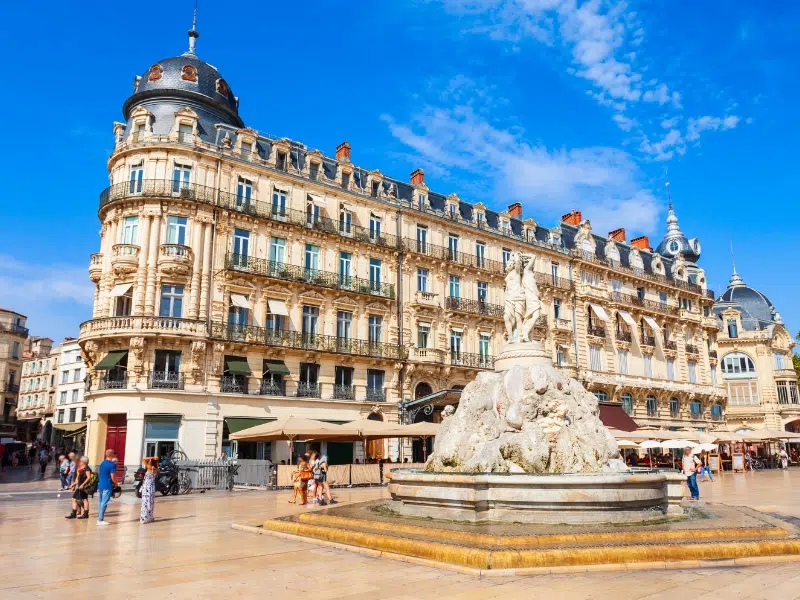
Place de la Comédie is a lively and bustling square in the heart of Montpellier, often referred to as the “Eye of the City.” It’s a great starting point for exploring, with its grand architecture, outdoor cafés, and the impressive Opéra Comédie dominating the square.
The Opéra Orchestre national Montpellier Occitanie is a gem of neoclassical architecture. Whether you’re catching a live performance or simply admiring the exterior, it’s a cultural hub in the city.
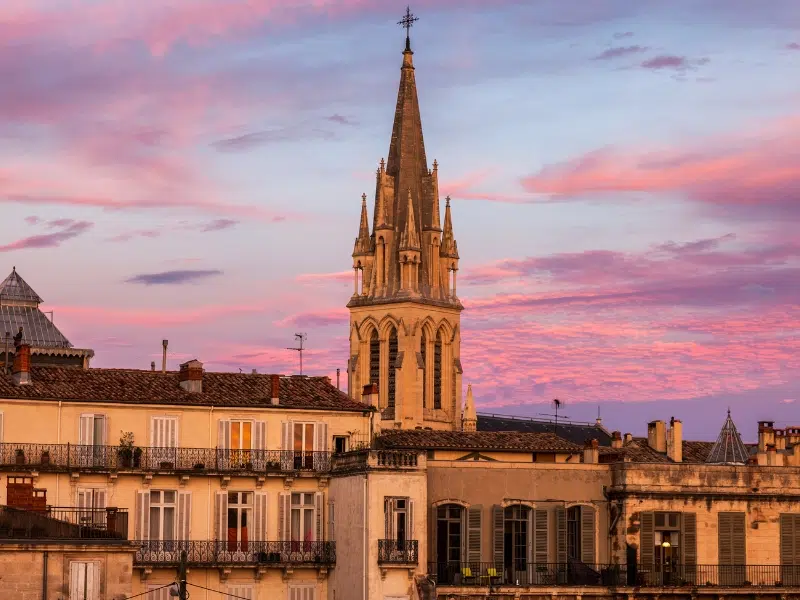
Église Saint-Roch de Montpellier, built in the 17th century, is dedicated to Saint Roch, the patron saint of Montpellier. With its Baroque design and peaceful atmosphere, it offers a serene escape from the city’s bustle.
Rue Arc en Ciel, also known as Rue du Bras de Fer, is a charming, narrow street known for its vibrant colors and historical significance. Wandering through the area will lead you to quaint shops, cafés, and glimpses of Montpellier’s medieval past.
The Arc de Triomphe in Montpellier marks the entrance to the Promenade du Peyrou. This elegant monument offers great views of the surrounding area and adds to the historical charm of the city.
Promenade du Peyrou is a stunning 17th-century park with sweeping views of the city and the Saint-Clément Aqueduct.
The Aqueduc Saint-Clément, a historic aqueduct stretching across the city, is a reminder of Montpellier’s past as a hub for water supply.
Jardin des Plantes de Montpellier is one of the oldest botanical gardens in Europe. This peaceful oasis is filled with rare plants, trees, and flowers, providing a lovely spot to relax and enjoy nature in the heart of the city.
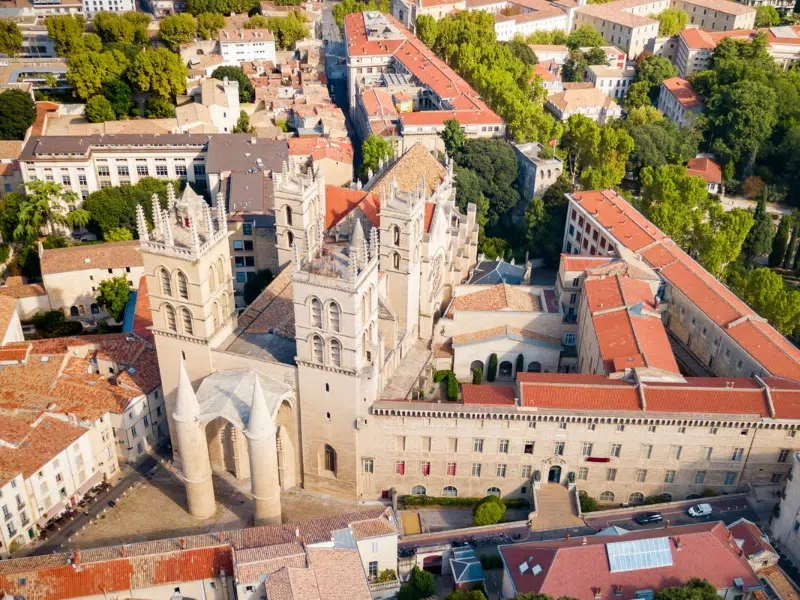
Montpellier Cathedral, also known as Cathédrale Saint-Pierre de Montpellier, is a grand Gothic cathedral with stunning architecture, including its towering façade and massive spires. The interior is equally impressive, offering a sense of tranquility and reverence.
Place de La Canourgue is a picturesque square located in the heart of Montpellier’s old town. Known for its elegant 17th-century townhouses and peaceful atmosphere, it’s the perfect spot for a quiet moment in an otherwise vibrant city.
This walking tour will take you through the heart of Montpellier, allowing you to experience the fun facts about Montpellier’s rich history, stunning architecture, and cultural significance.

Explore Montpellier with World City Trail
Embark on an unforgettable journey through the scenic and historic city of Montpellier with World City Trail. This interactive walking tour combines exploration, entertainment, and the rich heritage of Innsbruck into a unique and captivating experience.
Key Features:
- Interactive Gameplay: Solve engaging puzzles and challenges as you navigate Montpellier’s charming streets and stunning landmarks.
- Iconic Landmarks: Visit famous sites like the Place de la Comédie, the historic Montpellier Cathedral, and the stunning Fabre Museum.
- Hidden Gems and Fun Facts About Montpellier: Discover Montpellier’s lesser-known treasures such as the picturesque Saint-Roch neighborhood and the ancient Arc de Triomphe.
- Flexibility: Explore at your own pace, tailoring your itinerary to match your interests while enjoying the best Innsbruck has to offer.
Whether you’re interested in art, history, or just exploring Montpellier’s hidden corners, World City Trail offers a personalized and interactive way to experience the city like never before..