

Table of Contents
The Imperial Castle of Nuremberg (Kaiserburg Nürnberg) is one of the most prominent historical landmarks in the city of Nuremberg, Germany. Perched on a hilltop with commanding views of the surrounding area, the castle stands as a symbol of medieval power, political significance, and architectural ingenuity. As one of the most important castles of the Holy Roman Empire, it holds an exceptional place in German history and is a must-visit destination for history lovers and tourists alike.
Historical Significance
The origins of the Imperial Castle date back to the 11th century, though it was expanded and modified over the centuries to reflect the changing needs and tastes of the Holy Roman emperors. The castle became the seat of the Holy Roman Emperors, who would regularly visit Nuremberg to hold meetings and assemblies. It played a central role in the political and cultural life of medieval Germany, as well as in the decision-making processes of the Holy Roman Empire.
The castle was a symbol of imperial authority and power, with the emperors using it as a base to assert their dominance over the region. It was also the site of important events, such as imperial diets (meetings of the imperial council), royal coronations, and the gathering of nobility from across Europe. The Imperial Castle housed various imperial treasures, including the imperial regalia, which were used in coronation ceremonies.
Over time, the castle came to be associated with the city of Nuremberg, which was known as the “imperial city” due to its status within the Holy Roman Empire. The close relationship between the emperors and the city cemented the castle’s significance as the heart of imperial power in southern Germany.
Architecture and Design
The Imperial Castle is an outstanding example of medieval architecture, with several different sections and structures that highlight the castle’s evolution over time. It is divided into three main parts: the Imperial Palace, the Burgraves’ Castle, and the Municipal Buildings, all of which were constructed in various architectural styles over several centuries.
- The Imperial Palace: This is the central part of the castle and was the primary residence of the Holy Roman Emperors when they visited Nuremberg. The palace complex includes several important rooms, such as the Emperor’s Hall (Kaisersaal), which was used for royal audiences and ceremonies. The Palas, or living quarters, offers a glimpse into the luxurious lifestyle of the emperors during the medieval period, with finely decorated rooms and a magnificent view of the city.
- The Burgraves’ Castle: Located next to the Imperial Palace, the Burgraves’ Castle served as the residence of the Burgraves of Nuremberg, a noble family that held authority over the castle. The Burgraves’ Castle is now home to the Castle Museum, where visitors can explore the history of the castle, view various artifacts, and learn about the role of the Burgraves in the castle’s history.
- The Municipal Buildings: The castle complex also includes several municipal buildings that housed various administrative offices and storage areas. These buildings were important in the functioning of the imperial city and played a role in Nuremberg’s political life.

Key Features and Attractions
Visitors to the Imperial Castle can explore a number of fascinating features that highlight its history and significance. Some of the key attractions include:
- The Deep Well (Tiefer Brunnen): This impressive well is located in the castle’s courtyard and is one of the deepest medieval wells in Germany. It was used to provide water to the castle during times of siege, and it is still functional today. Visitors can view the well’s immense depth and learn about the challenges of sustaining a fortress during medieval times.
- The Castle Museum: Housed in the Burgraves’ Castle, this museum offers an extensive collection of exhibits that provide insight into the history of the castle and its role in the Holy Roman Empire. The museum showcases medieval artifacts, weapons, and armor, as well as exhibits on the lives of the emperors and the Burgraves.
- The Imperial Regalia: The Imperial Castle also houses replicas of the imperial regalia, which were used in the coronation of Holy Roman Emperors. These ceremonial objects include the Imperial Crown, the Sceptre, and the Imperial Sword, which symbolize the emperor’s divine right to rule.
- The Wall and Gates: The castle is surrounded by a robust wall that once provided protection from invaders. Several gates and towers are still intact, offering visitors the chance to walk along the castle walls and enjoy stunning panoramic views of Nuremberg.
The Castle Today
Today, the Imperial Castle of Nuremberg is a major tourist attraction, drawing visitors from around the world to explore its rich history and stunning architecture. The castle remains a symbol of the city’s medieval past and its role in the broader history of the Holy Roman Empire. The complex has been carefully preserved and is open to the public year-round, offering guided tours and interactive exhibits that make it a fascinating destination for visitors of all ages.
In addition to being a historical site, the Imperial Castle also hosts cultural events, such as medieval festivals and concerts, allowing visitors to experience the atmosphere of the past while enjoying modern entertainment. The castle’s setting in Nuremberg’s Old Town adds to its allure, as it is surrounded by charming streets, squares, and other historic buildings, creating an unforgettable experience for anyone visiting the city.
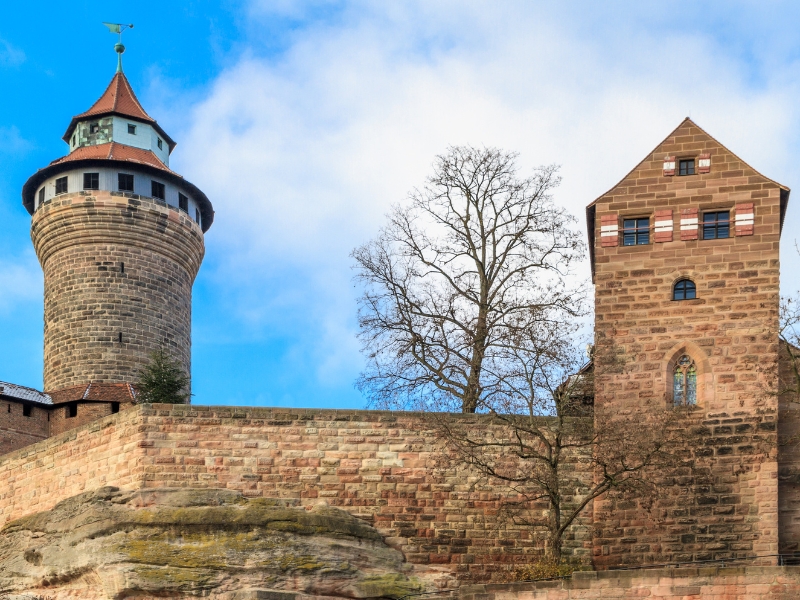
Imperial Castle is part of Nuremberg scavenger hunt and walking tour!
Embark on an unforgettable journey through the enchanting city of Nuremberg with World City Trail. Our interactive walking tour combines the thrill of exploration with the rich history and culture of this beautiful city.
Key Features:
Interactive gameplay: Solve engaging puzzles and challenges as you explore the city.
Hidden gems: Uncover lesser-known spots.
Cultural insights: Learn about the city’s fascinating history.
Flexibility: Explore at your own pace and create your own itinerary.
Family friendly activity and a great way to explore the city!
Further reading on Wikipedia: Nuremberg