
Table of Contents
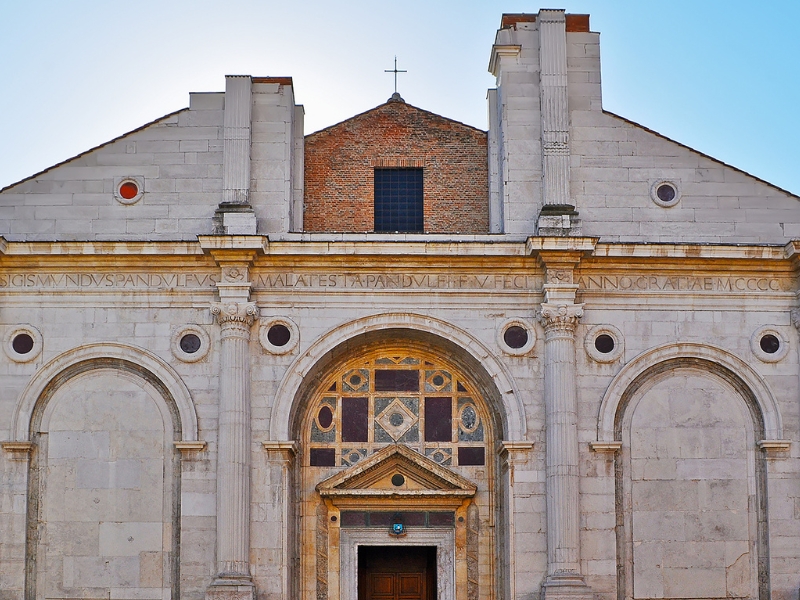
The Malatestiano Temple, a masterpiece of Renaissance architecture, stands as a testament to the ambition and artistic vision of Sigismondo Pandolfo Malatesta, Lord of Rimini. This remarkable building, originally the Franciscan church of San Francesco, was transformed by Malatesta into a personal mausoleum and a monument to his own power and glory.
A Renaissance Transformation
In the mid-15th century, Sigismondo Pandolfo Malatesta, a renowned condottiero (mercenary leader) and a patron of the arts, embarked on an ambitious project to transform the existing church of San Francesco into a grand mausoleum for himself and his family. He envisioned a building that would not only be a place of worship but also a magnificent monument to his own power and legacy, a testament to his patronage of the arts and his role as a Renaissance prince.
To achieve this vision, Malatesta enlisted the renowned architect Leon Battista Alberti, a leading figure of the Renaissance. Alberti, known for his innovative ideas and his deep understanding of classical architecture, conceived a radical transformation of the existing church.
A Blend of Style
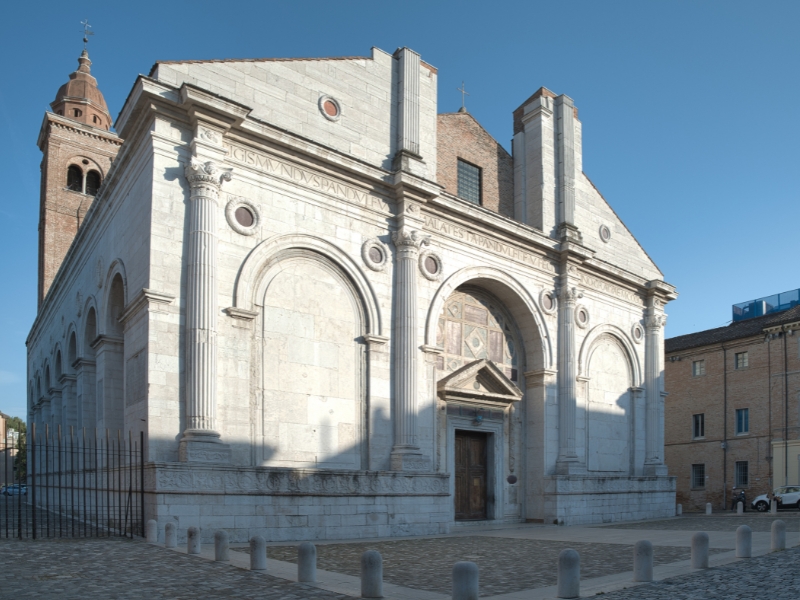
Alberti’s design aimed to blend Gothic elements with the emerging principles of Renaissance architecture. The exterior of the church was dramatically altered, with the addition of a marble façade featuring intricate carvings and inscriptions. This façade, inspired by Roman triumphal arches, conveyed a sense of power and grandeur, reflecting Malatesta’s ambitions.
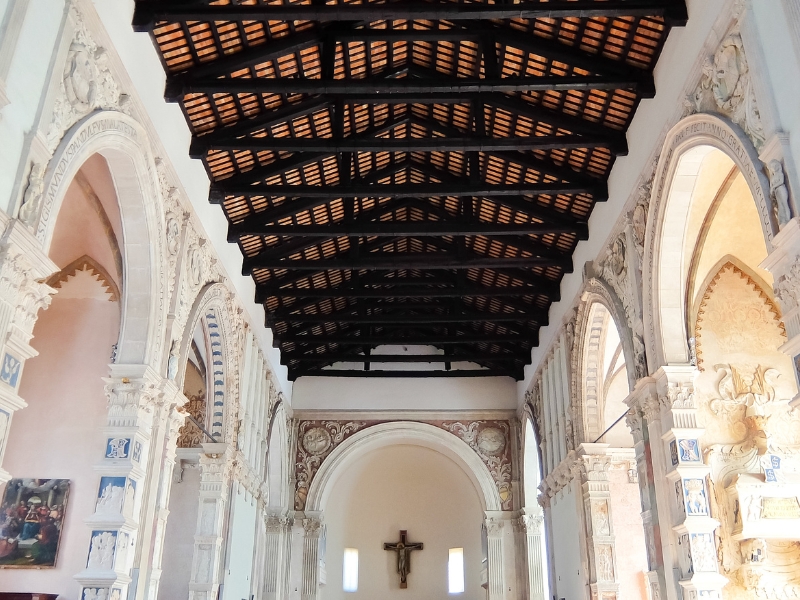
The interior of the Malatestiano Temple was transformed into a series of chapels, each dedicated to a specific theme or member of the Malatesta family. These chapels were adorned with intricate sculptures, frescoes, and other decorative elements, creating a richly ornamented and symbolically charged environment.
A Treasure Trove of Art
The Malatestiano Temple is not only a marvel of architecture but also a treasure trove of artistic masterpieces. The interior features works by renowned artists of the Renaissance, including:
- The Crucifixion by Giotto: A masterpiece of early Italian painting, this iconic crucifix is one of the few surviving works by the renowned artist.
- The “Sigismondo” by Piero della Francesca: This impressive fresco depicts Malatesta kneeling in prayer before Saint Sigismund, offering a glimpse into the ruler’s piety and his desire for divine favor.
- Sculptures by Agostino di Duccio: This talented sculptor created numerous works for the Tempio Malatestiano, including intricate bas-reliefs and decorative elements.
A Lasting Legacy
The Malatestiano Temple was more than just a religious building; it was a powerful statement of Malatesta’s ambition and his desire to leave a lasting legacy. The project, however, remained unfinished due to Malatesta’s political and financial difficulties. Despite its incomplete state, the Tempio Malatestiano stands as a testament to Malatesta’s vision and a remarkable example of Renaissance architecture.
The Malatestiano Temple continues to captivate visitors with its unique blend of Gothic and Renaissance styles, its intricate decorations, and its rich artistic heritage. It serves as a reminder of the ambition and artistic vision of Sigismondo Pandolfo Malatesta and a testament to the enduring power of art and architecture.
Malatestiano Temple is part of Rimini scavenger hunt and walking tour!
Embark on an unforgettable journey through the enchanting city of Rimini with World City Trail. Our interactive walking tour combines the thrill of exploration with the rich history and culture of this beautiful city.
Key Features:
Interactive gameplay: Solve engaging puzzles and challenges as you explore the city.
Hidden gems: Uncover lesser-known spots.
Cultural insights: Learn about the city’s fascinating history.
Flexibility: Explore at your own pace and create your own itinerary.
Family friendly activity and a great way to explore the city!
Further reading on Wikipedia: Rimini