

Table of Contents
The Swedish Gate, a relic of Riga’s medieval fortifications, stands as a poignant reminder of the city’s long and eventful history. This imposing gateway, the only surviving gate from the city’s once-extensive defensive walls, offers a glimpse into Riga’s past as a fortified trading hub, a testament to its resilience, and a unique window into the city’s architectural and historical heritage.
A Bastion Against the World
In the medieval era, Riga, like many European cities, faced the constant threat of attack. To protect itself, the city constructed a formidable system of fortifications, including a strong wall that encircled the Old Town. The Swedish Gate, erected in 1698 during the Swedish era, served as a crucial entry point into the city, a controlled access point within this formidable defensive system.
The gate, built with sturdy stone and featuring a robust archway, was not merely a passageway; it was a strategic element in the city’s defense. Its design incorporated architectural features that enhanced its defensive capabilities, such as thick walls, arrow slits, and strategic positioning to maximize visibility and control over access to the city.
A Window to the Past
Life within the fortified city walls during this period was undoubtedly influenced by the presence of the gate. Merchants, travelers, and soldiers would have passed through its imposing archway, bringing news and goods from the outside world. The gate served as a vital link between the city and its surrounding region, facilitating trade and commerce while also providing a crucial line of defense against potential threats.
The gate also played a role in the social and economic life of the city. It likely served as a point of taxation for goods entering the city, contributing to the city’s coffers. The gatekeepers, often city guards or customs officials, played a crucial role in monitoring the flow of people and goods, ensuring the security and prosperity of the city.

A Legacy of Resilience
The Swedish Gate has witnessed centuries of history unfold. It has endured wars, sieges, and the passage of time, weathering the storms of history and remaining a testament to the city’s resilience.
While much of the city’s medieval fortifications has vanished over time, the Swedish Gate stands as a poignant reminder of Riga’s past. It offers a glimpse into the city’s medieval history, allowing visitors to imagine the bustling activity that once took place within the city walls, the sounds of horses’ hooves, the chatter of merchants, and the watchful eyes of the guards.
A Symbol of Riga’s Enduring Spirit
Today, the Swedish Gate stands as a powerful symbol of Riga’s history and resilience. It is a testament to the city’s enduring strength and its ability to adapt and evolve throughout the centuries.
Visiting the Swedish Gate is an enriching experience for history enthusiasts and anyone interested in exploring the city’s past. It offers a tangible connection to Riga’s medieval history, allowing visitors to step back in time and experience the city’s past through this remarkable architectural relic. The Swedish Gate serves as a reminder of the city’s enduring spirit and its ability to preserve its historical heritage for future generations.
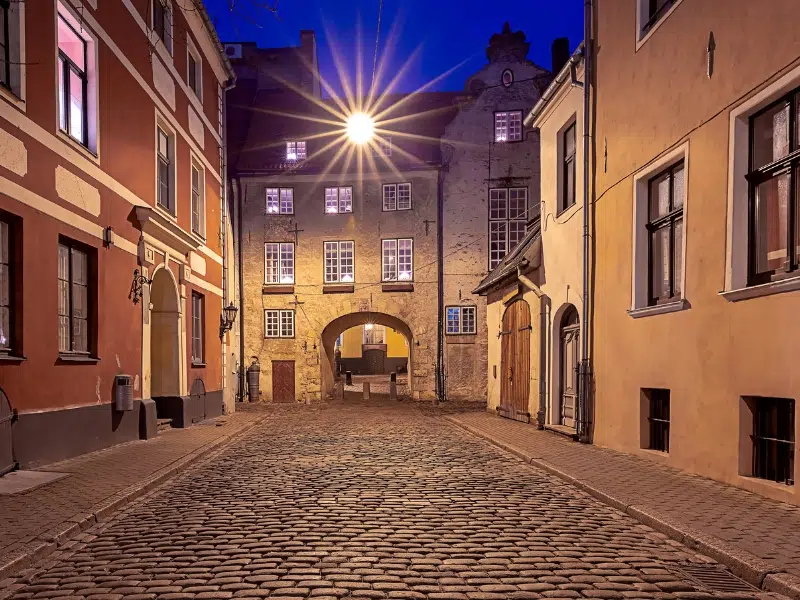
The Swedish Gate is part of Riga scavenger hunt and walking tour!
Embark on an unforgettable journey through the enchanting city of Riga with World City Trail. Our interactive walking tour combines the thrill of exploration with the rich history and culture of this beautiful city.
Key Features:
Interactive gameplay: Solve engaging puzzles and challenges as you explore the city.
Hidden gems: Uncover lesser-known spots.
Cultural insights: Learn about the city’s fascinating history.
Flexibility: Explore at your own pace and create your own itinerary.
Family friendly activity and a great way to explore the city!
Further reading on Wikipedia: Riga