
Table of Contents
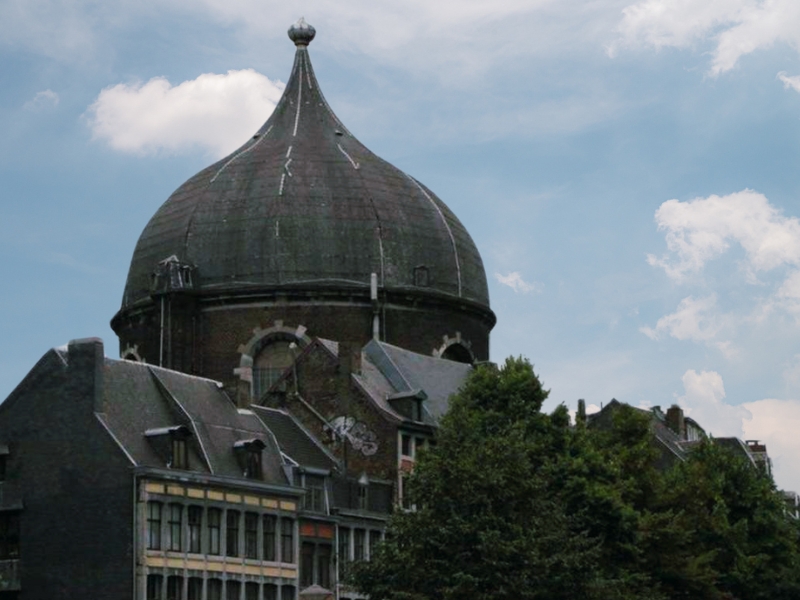
Tucked within the historic core of Liège, the Église Saint-André de Liège is a serene yet powerful symbol of the city’s rich religious and cultural identity. This Roman Catholic church, with its unique blend of architectural styles and deep historical roots, serves as a reminder of Liège’s past as a major ecclesiastical center in Europe. While it might not be as widely known as the city’s more monumental cathedrals, Saint-André’s understated elegance and layered history make it an essential stop for anyone interested in the spiritual and architectural legacy of the region.
A Church Rooted in the Modern Period
The origins of Église Saint-André de Liège date back to the early 17th century, with construction beginning in 1610 and completed by 1675. It was built by the Jesuits, who had been invited to Liège by the prince-bishops to support the Catholic Counter-Reformation. As such, the church became a cornerstone of Jesuit influence in the city and was designed not only as a place of worship but as a space to reassert Catholic identity during a period of religious upheaval across Europe.
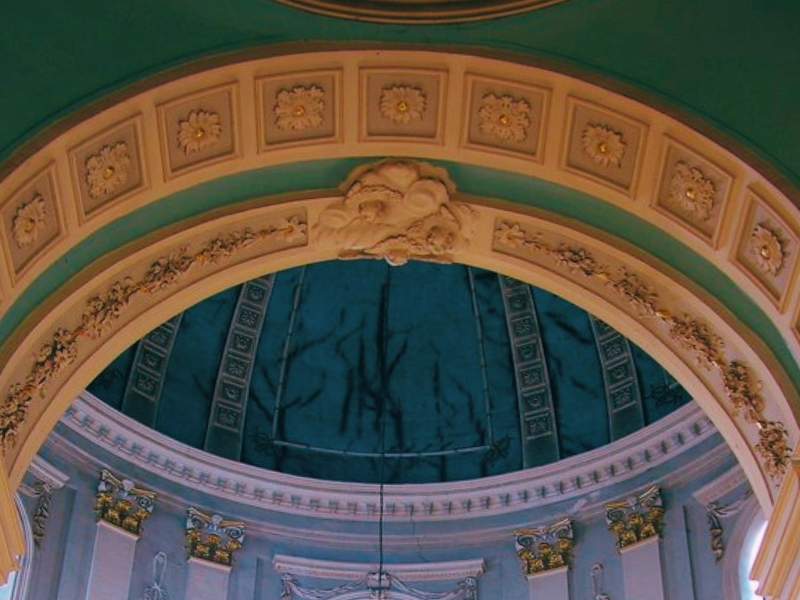
Though initially constructed in the Baroque style typical of Jesuit churches of the time, Église Saint-André has undergone several modifications, resulting in a unique architectural blend. The exterior is relatively modest, but the structure’s layout and proportions reflect the church’s purpose as a Jesuit foundation—emphasizing clarity, acoustics, and congregation-focused design. The interior offers a more ornate experience, with altars, statues, and decorative elements that point to its Counter-Reformation roots.
A Quiet Survivor of Turbulent Times
Like much of Liège’s ecclesiastical architecture, the Église Saint-André de Liège has endured its fair share of historical turbulence. During the French Revolution, the church was secularized and repurposed, and it wasn’t until the 19th century that it returned to its religious function. These events left their mark not only on the structure but also on the spirit of the building, which today reflects the resilience of both the church and the community it serves.
In the years that followed, the church adapted to shifting roles and re-integrated itself into the local religious landscape. It has been used by different Catholic congregations and remains a functioning parish to this day. Its ability to persist through political changes, wars, and societal transformation is a testament to its cultural significance and the strength of the community that surrounds it.
A Space of Peace and Reflection
Visitors to the Église Saint-André de Liège often remark on the church’s peaceful atmosphere. Unlike larger tourist-heavy sites, this church offers a more intimate experience of spirituality and history. Its quiet nave, warm light, and detailed altars create a contemplative space where time seems to slow down. Religious services are still held regularly, making it a living, breathing place of worship rather than a static museum.
Art lovers and architecture enthusiasts will also find much to admire here. From the craftsmanship of the wooden pulpit to the intricate altarpieces and stained-glass windows, the church’s interior holds both religious and artistic value. These features often go unnoticed by those who only skim the city’s major landmarks, but they reward visitors who take the time to explore beyond the obvious.
An Important Part of Liège’s Religious Tapestry
The Église Saint-André de Liège plays an important role in the broader ecclesiastical and historical network of the city. Alongside other significant churches like Saint Paul’s Cathedral and Saint-Jacques, it contributes to the rich spiritual identity of Liège. But unlike its more famous counterparts, Saint-André invites a more personal interaction—less about grandeur and more about connection, continuity, and quiet devotion.
Its proximity to the political heart of the city—the Place Saint-Lambert and the Prince-Bishops’ Palace—makes its presence even more poignant. It stands as a reminder that Liège’s story isn’t only told through monumental structures and revolutionary movements, but also through the enduring presence of spaces like Saint-André that support daily life, belief, and community ties.
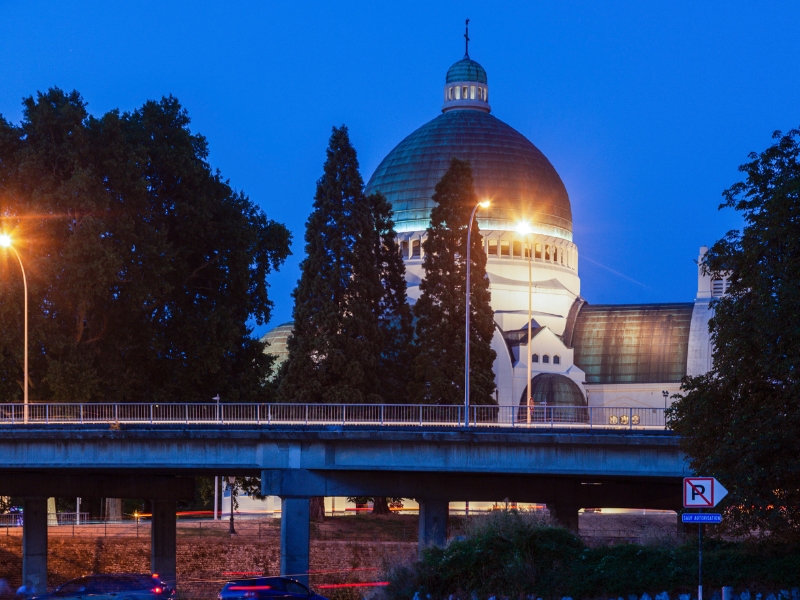
Eglise Saint-Andre is part of Liège scavenger hunt and walking tour!
Embark on an unforgettable journey through the enchanting city of Liège with World City Trail. Our interactive walking tour combines the thrill of exploration with the rich history and culture of this beautiful city.
Key Features:
Interactive gameplay: Solve engaging puzzles and challenges as you explore the city.
Hidden gems: Uncover lesser-known spots.
Cultural insights: Learn about the city’s fascinating history.
Flexibility: Explore at your own pace and create your own itinerary.
Family friendly activity and a great way to explore the city!
Further reading on Wikipedia: Liège