
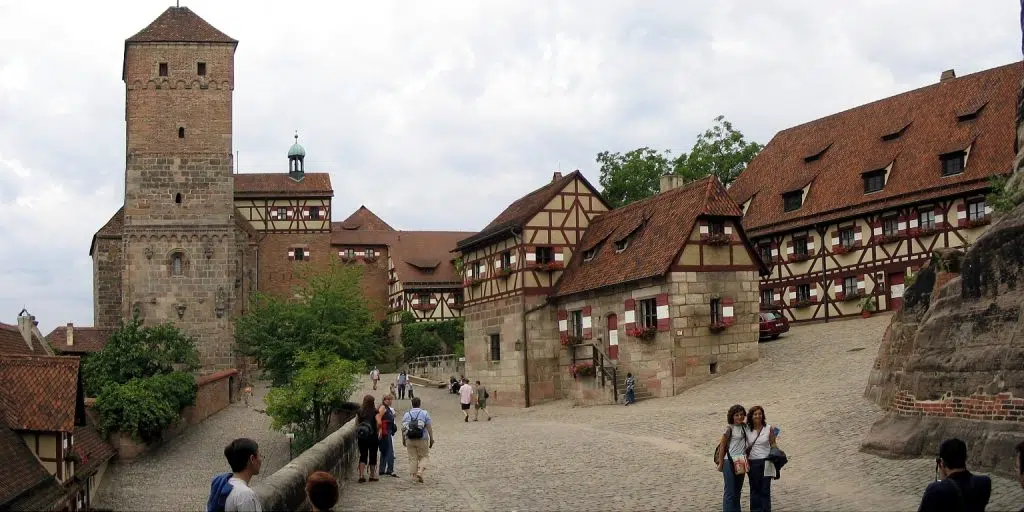
Perched atop a sandstone bluff, overlooking the sprawling red rooftops of the old town, the Imperial Castle in Nuremberg stands as a powerful symbol of German history and imperial might. Known in German as the Kaiserburg, this magnificent medieval fortress is far more than a simple tourist attraction—it is a living monument that tells the epic story of the Holy Roman Empire. For centuries, this castle was a temporary home to all of Germany’s emperors and kings, and today, it is a testament to the city’s resilience, its architectural beauty, and its profound historical significance.
A Citadel of Power and Politics
The history of the Imperial Castle in Nuremberg is inseparable from the history of Europe. From the 11th to the 16th centuries, the castle was one of the most important imperial palaces of the Holy Roman Empire. The emperors of the empire did not have a permanent capital, but rather traveled from one imperial residence to another, and the Nuremberg Castle was one of their most crucial stops. Here, they held imperial diets, received ambassadors, and presided over some of the most pivotal political decisions of the era. The castle’s strategic location and formidable defenses made it an ideal base from which to govern their vast territories.
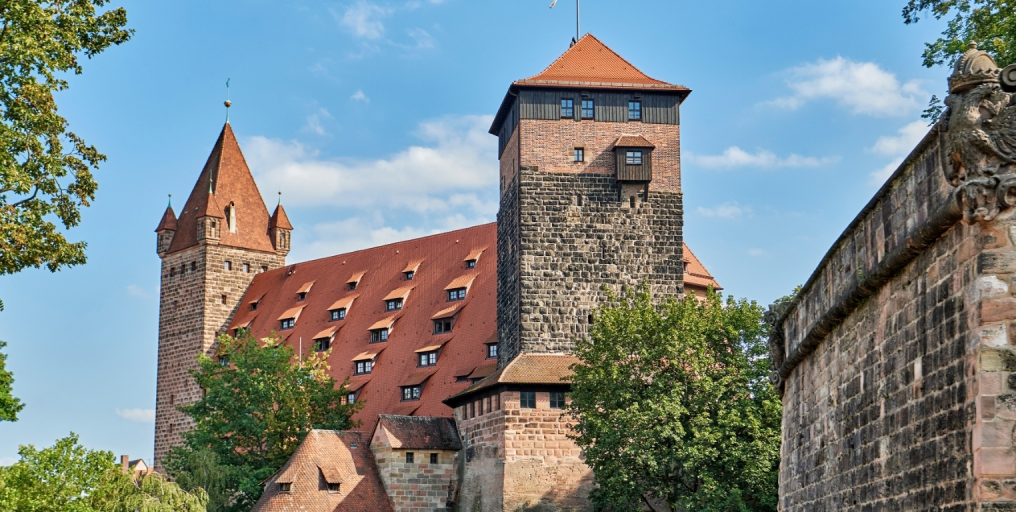
The castle complex itself is not a single building but a collection of fortifications, palaces, and chapels that evolved over five centuries. This architectural diversity is a key part of its appeal, showcasing a blend of Romanesque and Gothic styles that reflects its long and storied past. While the castle was heavily damaged during the Allied bombings of World War II, it has since been meticulously restored to its former glory. This monumental effort to rebuild and preserve the castle is a testament to Nuremberg’s deep commitment to its heritage, allowing today’s visitors to walk the very same grounds as the emperors of old.
A Fortress of Must-See Features
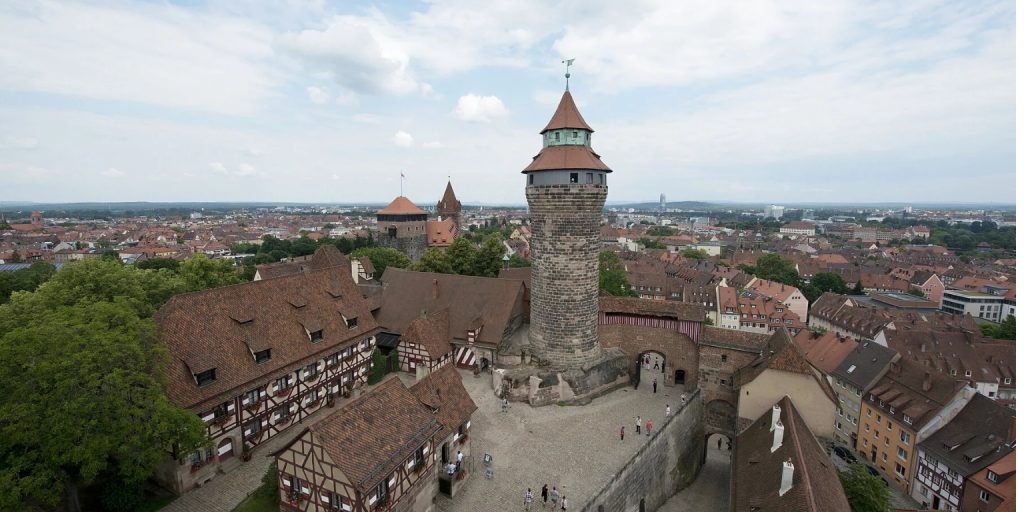
A visit to the Imperial Castle is an immersive journey through time, with several key features that are essential to the experience. One of the most prominent is the Sinwell Tower. This massive, round tower is a defining symbol of the castle and a popular destination for its breathtaking panoramic views. Climbing the winding wooden staircase to the observation deck offers a spectacular 360-degree perspective of the old town and the surrounding Franconian countryside.
Another indispensable part of the castle’s history and a testament to medieval engineering is the Deep Well (Tiefer Brunnen). To ensure a secure water supply during a siege, the well was dug to an incredible depth of nearly 50 meters, a feat of immense labor and ingenuity through solid rock. Guided tours offer a glimpse down the dark, narrow shaft, providing a visceral connection to the hardships and triumphs of the castle’s inhabitants.
Perhaps the most architecturally significant feature is the Double Chapel (Doppelkapelle). Built around 1200, this two-story chapel is a rare example of Romanesque architecture. Its two levels, with the lower chapel for the emperor’s entourage and the upper chapel for the emperor and his family, were designed to symbolize the emperor’s divine right to rule and his special status. This ingenious design allows a profound insight into the social and spiritual hierarchy of the time.
The Castle’s Enduring Legacy
Beyond its historic stones and powerful architecture, the Imperial Castle is a vital part of the city’s identity. Today, it houses a museum that explores the history of the castle and the Holy Roman Empire, and its grounds are a popular destination for locals and tourists alike. The castle’s enduring presence on the Nuremberg skyline serves as a powerful reminder of the city’s place in the broader narrative of European history. It is a symbol of a bygone era that has been lovingly preserved, offering an unparalleled opportunity to explore a true historical fortress and appreciate the ingenuity and legacy of the Holy Roman Empire.