
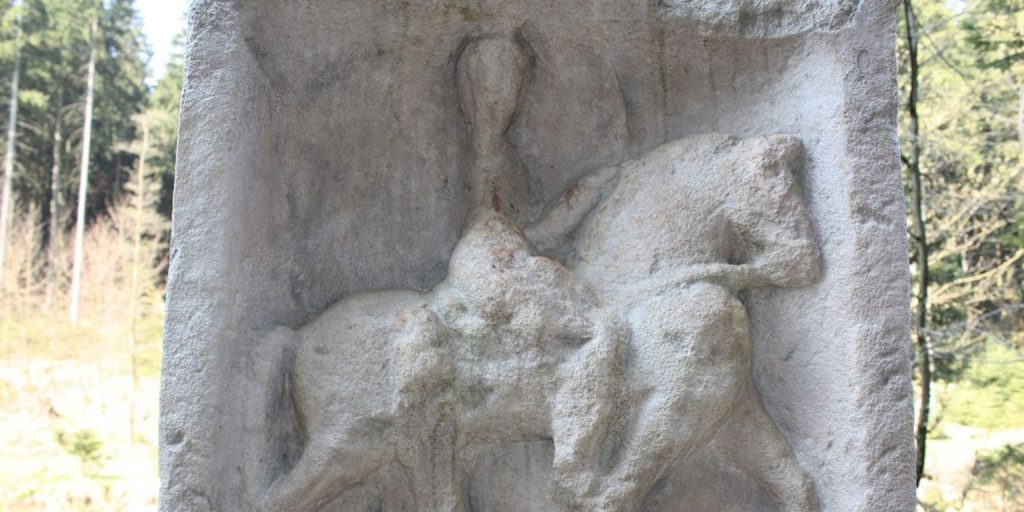
The discovery of the grave stele in the 1930s confirmed the historical significance of Bad Cannstatt as a major Roman military site. Located on the northern fringes of the Roman Empire, the area was once home to a fortified camp and a bustling settlement. The grave stele was unearthed in an ancient burial ground near this former outpost, shedding new light on the diverse and complex nature of the Roman army’s presence in the area. The find was particularly notable because it depicted a cataphract, a heavily armored cavalryman, a type of soldier more commonly associated with the eastern provinces of the Roman Empire.
What is this?
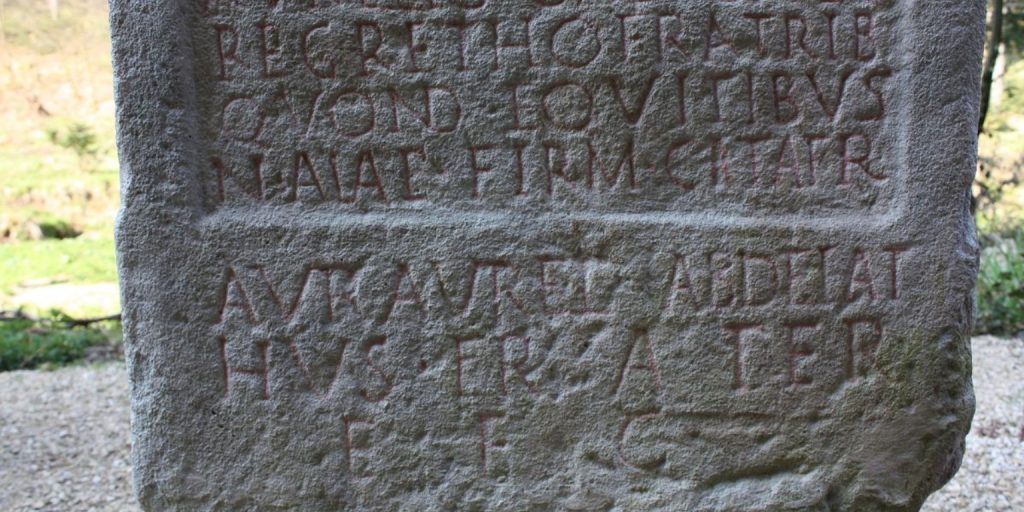
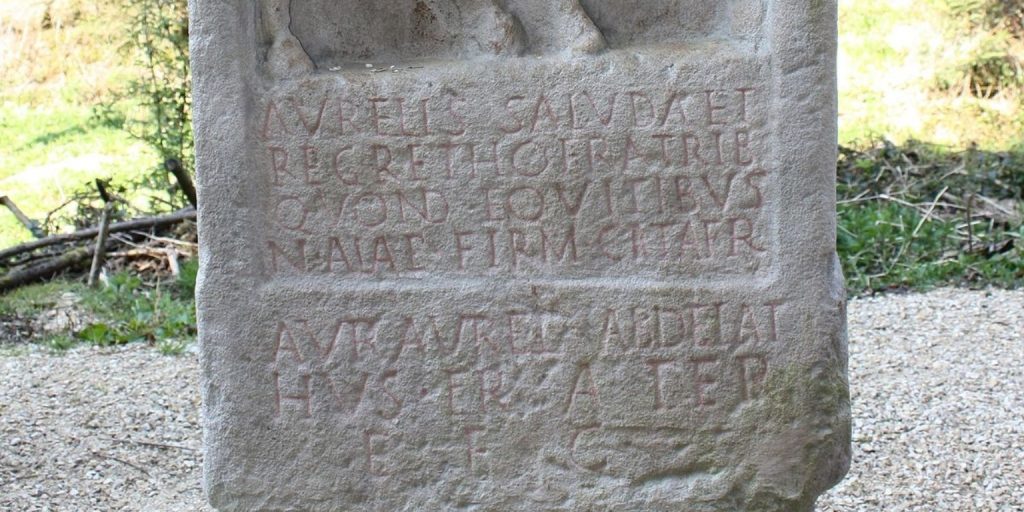
The stele is dedicated to two brothers, Aurelius Saluda and Aurelius Regrethus, who lived in the 3rd century AD. They were members of the Ala nova firma catafractaria, a unit of cataphracts. This unit was originally established in Mesopotamia but was deployed to the northern frontier to defend against Germanic tribes, such as the Alemanni. This journey from the Middle East to a Roman garrison in what is now Germany underscores the vast reach and globalized nature of the Roman military machine.
A Monument to Two Brothers
The Cataphract Funerary Monument (Grave Stele) is not just a piece of stone; it is a beautifully sculpted testament to a soldier’s life. The stele is made of sandstone and depicts one of the brothers, likely Aurelius Saluda, in full military dress. He is shown wearing a Roman tunic and a cloak, holding a spear and a shield. While the term “cataphract” suggests both the soldier and his horse were covered in mail armor from head to hoof, the monument does not show this. This detail has led historians to conclude that the purpose of the grave stele was to honor the soldier’s memory, not to provide a precise depiction of his full combat gear.
The monument was commissioned and erected by their third brother, Aurelius Abdedathus, a touching act of familial love and a powerful statement of a family’s success within the Roman military.
The inscription on the Grave Stele provides the crucial details about the two men, their unit, and their origin. These inscriptions are invaluable to modern historians, providing primary source evidence of the movement and composition of Roman military units. The stele serves as a tangible link between the people who lived and died in this part of the empire and the distant homelands they left behind.
A Priceless Gem in Stuttgart’s Collection
Today, the grave stele of a cataphract is one of the most treasured exhibits at the Landesmuseum Württemberg in Stuttgart. It is housed within the museum’s extensive Roman collection, which is displayed in the Old Castle (Altes Schloss). The museum’s collection offers a comprehensive look at life during the Roman occupation of the region, and this monument is one of its most important pieces.
The stele’s presence in a modern museum allows visitors to get up close to a piece of history that tells a deeply human story of honor, duty, and sacrifice. For those interested in Roman military history, archaeology, or the history of Stuttgart, seeing this monument is a compelling experience. It reminds us that even in a city known for its modern innovations, the echoes of a distant past are preserved. The Cataphract Funerary Monument is a powerful symbol of the Roman presence in Bad Cannstatt and a rare surviving example of the diverse lives that shaped the Roman frontier.
World City Trail’s Scavenger Hunt guides you through the best places of Stuttgart including where the famous Grave Stele is.