
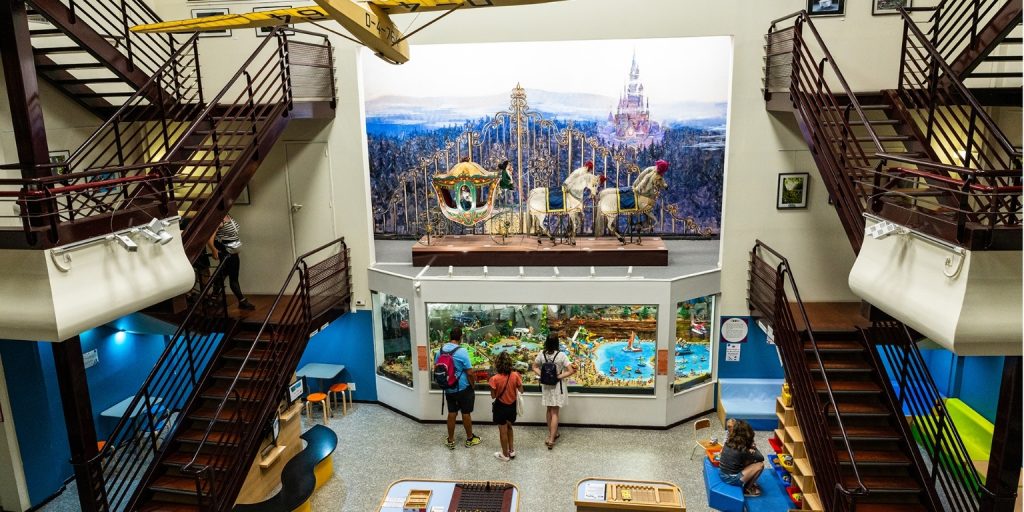
The Musée du Jouet is housed in a former cinema, which adds a layer of charm to the experience. The building itself has been imaginatively repurposed, with its unique layout lending itself well to the museum’s thematic organization. The exhibitions are spread across three floors, guiding visitors from the earliest toys to modern-day playthings. The former cinema’s open spaces allow for large-scale displays and immersive installations, creating a sense of wonder and discovery as you move from one era to the next.
A Chronological Journey Through Play
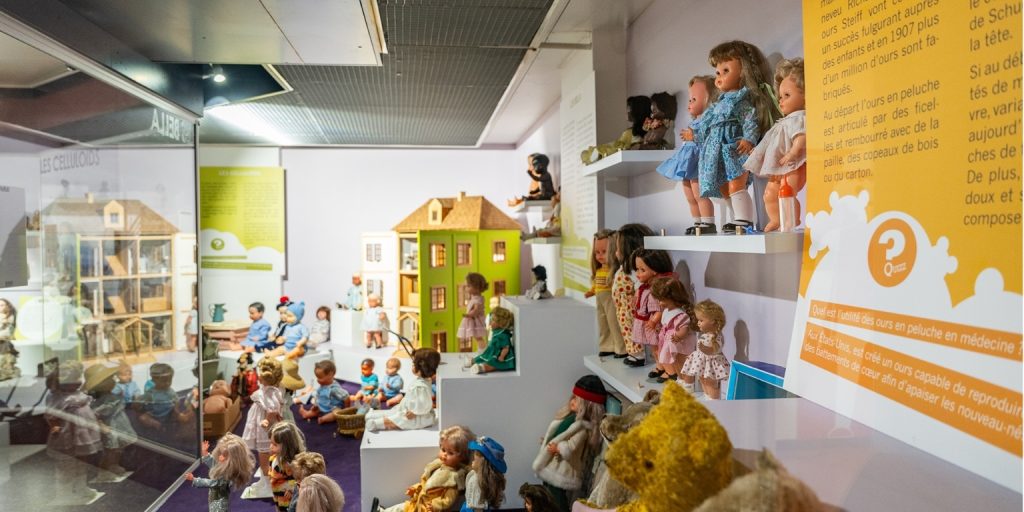
The Musée du Jouet takes a chronological approach, beginning with the traditional handcrafted toys of the 19th century and moving forward through the industrial revolution and into the digital age. The ground floor is dedicated to the oldest toys in the collection, including beautiful wooden dolls, intricate puppet theaters, and classic board games. These early exhibits highlight the craftsmanship and artistry that went into toy-making before mass production became the norm.
The first floor of Musée du Jouet focuses on the golden age of industrial toys, a period from the late 19th century through the mid-20th century. This is where you will find classic tin toys, model trains, and early action figures. The museum has a particularly impressive collection of vintage railways, a highlight for many visitors. Miniature locomotives from well-known brands like Märklin and Hornby are displayed in detailed dioramas, capturing the imagination of both children and adults. The interactive train set, which visitors can operate themselves, is a major draw, bringing the history to life.
The second floor of Musée du Jouet covers the modern era, from the mid-20th century to the present. This section is a colorful explosion of popular culture, featuring beloved toys that will be instantly recognizable to a younger generation. Here you’ll find Barbie dolls in their original packaging, an extensive collection of Playmobil and Lego sets, and a wide array of video games and consoles from the early days of electronic entertainment. This floor also explores the changing nature of play, from gender roles and toy advertising to the impact of technology on how children interact with their toys.
Beyond the Glass Cases: Interaction and Engagement
What sets the Musée du Jouet apart is its emphasis on interaction. The museum understands that toys are meant to be played with, and it goes to great lengths to provide hands-on experiences. Several areas are dedicated to interactive exhibits, including a space where children can play with classic toys, a room with giant Lego bricks, and a corner with a large-scale race track. This interactive approach makes the museum particularly engaging for families, ensuring that children are not just passive observers but active participants in the history of play.
The museum also regularly hosts temporary exhibitions that explore specific themes or types of toys, from comic book characters to the evolution of a single toy brand. These rotating displays ensure that there is always something new to discover, encouraging repeat visits.
A Nostalgic and Cultural Experience
A visit to Musée du Jouet is a journey of nostalgia for adults and a source of wonder for children. For parents and grandparents, the sight of a cherished childhood toy can evoke powerful memories and provide a unique opportunity to share their own stories with a younger generation. For children, it is a chance to see how their parents and grandparents played and to understand the history behind the toys they enjoy today.
The museum is a cultural gem, offering insights not just into the history of toys, but also into the social and economic history of the past two centuries. It shows how toys have reflected technological advancements, shifts in family life, and changes in cultural norms. For anyone visiting the charming city of Colmar, a stop at the Musée du Jouet is an essential and heartwarming experience that will leave you with a newfound appreciation for the simple joy of play.
Colmar Scavenger Hunt and Self-Guided Tour
<div class="wp-block-uagb-tabs uagb-block-a029b1f4 uagb-tabs__wrap uagb-tabs__hstyle1-desktop uagb-tabs__vstyle…