
The building now known as the “Rosa Nera” stands on the site of a historic Venetian military barracks, located on the waterfront of the old harbor. The original structure, believed to have been built during the Venetian rule of Crete (1204-1645), was a key part of the city’s defense. Its strategic position at the harbor’s entrance made it a crucial point for housing troops and controlling access to the port. The building was later modified and used during the Ottoman occupation and subsequent periods, serving various military and administrative functions. Its architectural style, with its solid stone construction and prominent location, speaks to its original purpose as a stronghold.
For many years, the building was largely abandoned, falling into disrepair and becoming a forgotten relic of the city’s history. Its derelict state stood in stark contrast to the beautifully restored buildings that line the rest of the Venetian Harbor.
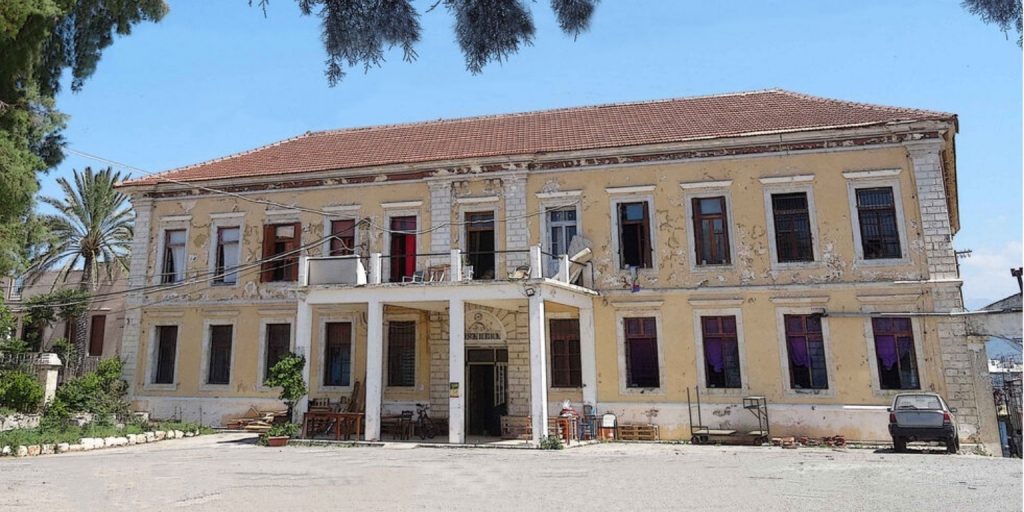
The Social Center: A Symbol of Protest and Community
In 2004, the building took on a new life when it was occupied by a group of anarchists and activists. They renamed it “Rosa Nera” and transformed the abandoned space into a vibrant and politically charged social center. The collective aimed to reclaim a public space for the community, providing a venue for political meetings, cultural events, concerts, and free workshops.
The Rosa Nera social center became a hub of activism, a symbol of resistance against commercialization and a protest against what the occupants saw as a city increasingly tailored to tourists rather than residents. For over 15 years, it was a central point for left-wing and anarchist movements in Chania, hosting solidarity events, anti-racism rallies, and discussions on a wide range of social issues. The building’s prominent location made the social center a highly visible symbol of political dissent, drawing both support from local activists and criticism from those who viewed the occupation as illegal.
The period of occupation was marked by a series of legal battles and confrontations with local authorities. The activists argued that they were preserving a historical building and providing a vital community service, while the government and property owners maintained that the occupation was a violation of property rights. The story of the Rosa Nera social center became a microcosm of the larger global debate about urban space, gentrification, and the role of grassroots movements in shaping city life.
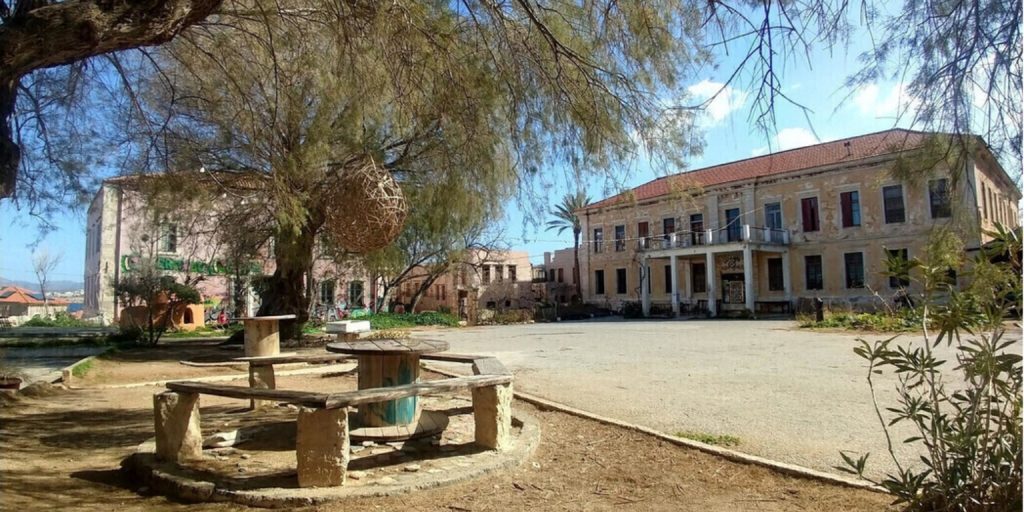
Transformation into a Hotel
The long-running saga of the Rosa Nera social center came to an end in 2020, when the building was peacefully evacuated and handed over to a private company. The company embarked on a major renovation project to convert the historic structure into a luxury boutique hotel, while also preserving its historical character.
The new hotel, which has also adopted the name “Rosa Nera,” is a stunning example of adaptive reuse. Its rooms and public spaces have been meticulously designed to reflect its history, with stone walls and architectural details from its barracks days. The hotel’s website proudly promotes its connection to the historical site, while its past as a social center is a subject of local debate and memory.
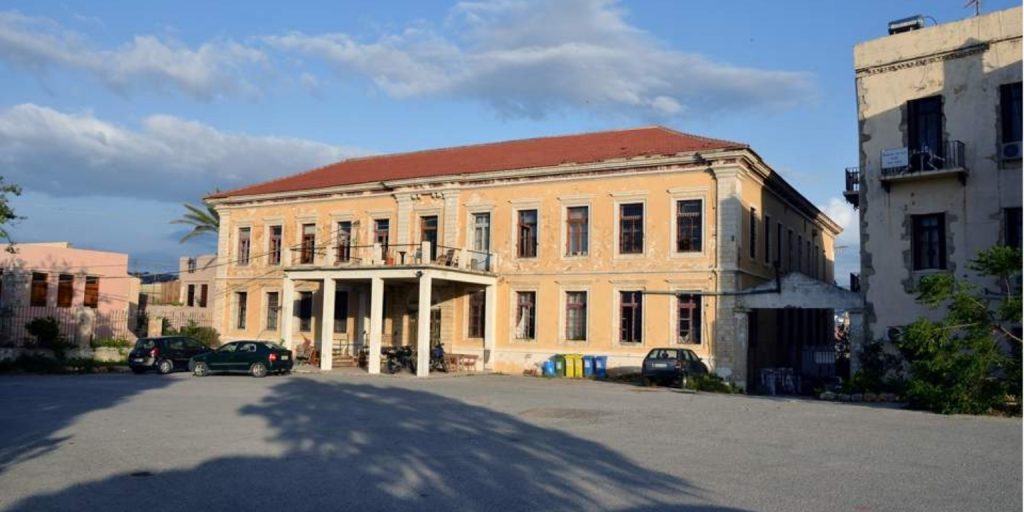
New Era
The transformation of Rosa Nera from a site of protest to a high-end hotel is a powerful symbol of the economic forces shaping modern Chania. For some, it represents a necessary step in the city’s development and the preservation of a historical building. For others, it is a bitter symbol of the loss of a public space and the defeat of a grassroots movement. The legacy of the Rosa Nera social center lives on in the memories of those who frequented it and in the ongoing conversations about the city’s future. It remains a fascinating landmark, a place where layers of history, from Venetian barracks to modern activism, converge in a single, beautiful building.