
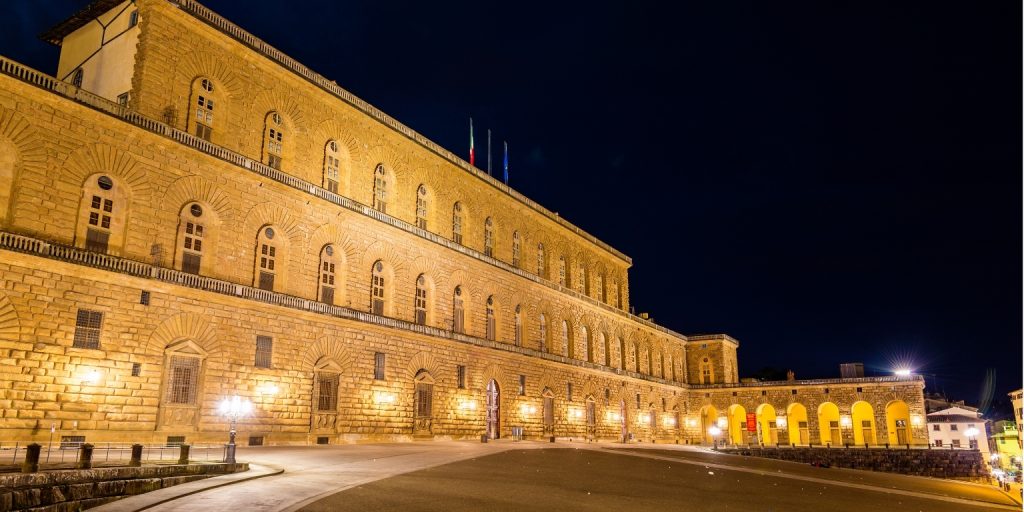
The history of the Pitti Palace is a testament to ambition, rivalry, and a love of art. The original structure was commissioned in 1458 by Luca Pitti, a wealthy Florentine banker and rival of the powerful Medici family. It was designed to be larger and more impressive than any other private residence in Florence. However, Pitti’s ambitions exceeded his finances, and the palace was left unfinished. In 1549, the palace was purchased by Eleonora of Toledo, the wife of Grand Duke Cosimo I de’ Medici. The Medici family immediately recognized its potential and transformed it into their primary grand ducal residence, leaving their old home, the Palazzo Vecchio, for official business.
Who build Medici?
The Medici commissioned renowned architects like Giorgio Vasari and Bartolomeo Ammannati to dramatically expand the palace, turning it into the colossal structure we see today. Pitti Palace became a perfect backdrop for the family’s growing art collection and a public symbol of their enduring power over Tuscany. For centuries, the palace served as the official residence for three successive ruling dynasties: the Medici, the House of Habsburg-Lorraine, and the Kings of Italy from the House of Savoy. This continuous royal occupation has left an indelible mark on the palace’s interiors and collections, with each dynasty adding its own artistic and decorative layers.
The Museums of the Pitti Palace
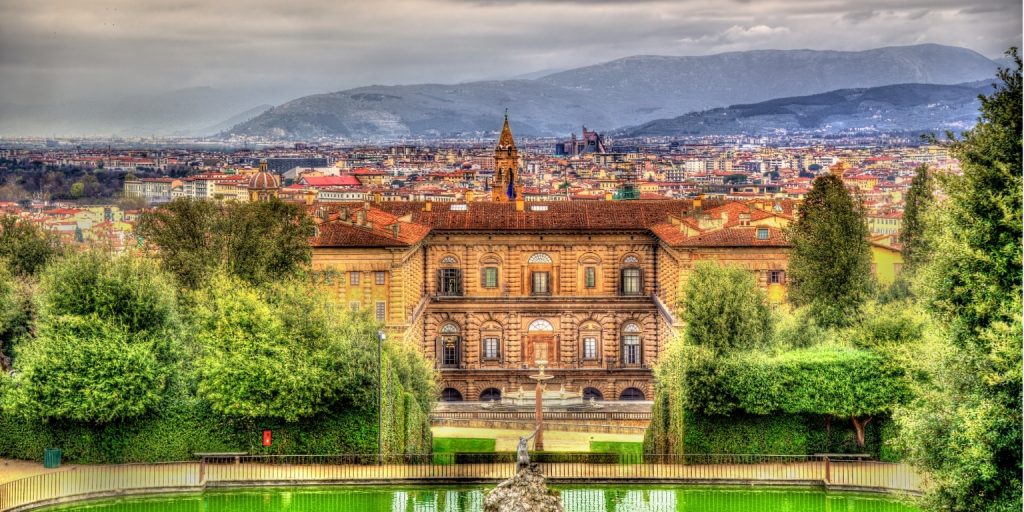
The Pitti Palace is a single entity that houses several distinct museums, each with its own focus and collection.
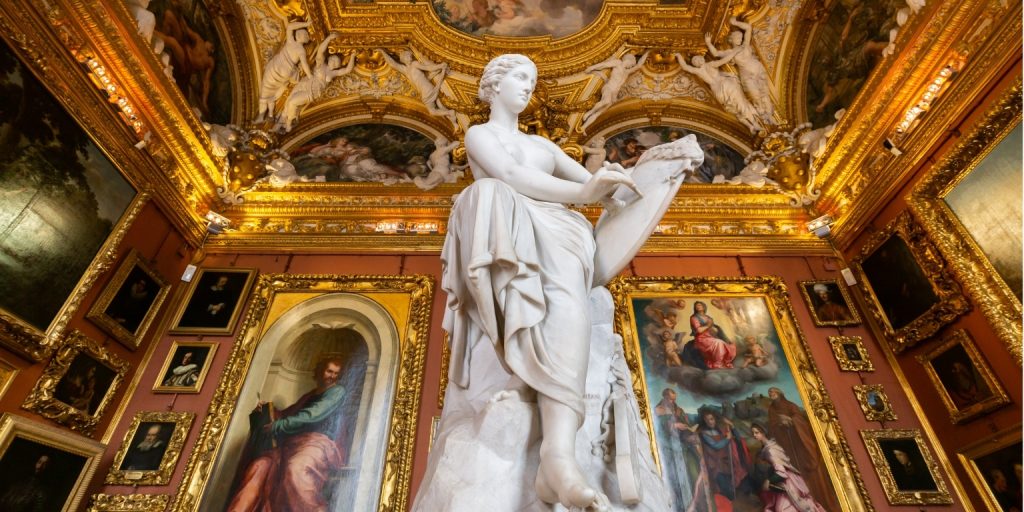
- The Palatine Gallery: This is arguably the most famous part of the palace. Located on the main floor, it houses the Medici family’s vast private art collection. Unlike a traditional gallery, the paintings are displayed in a lavish, old-world style, hung in richly decorated rooms adorned with frescoes and stucco. The collection features an astonishing number of masterpieces, including the largest concentration of paintings by Raphael in the world, as well as works by Titian, Caravaggio, Rubens, and other European masters of the Renaissance and Baroque periods.
- The Royal and Imperial Apartments: Adjacent to the Palatine Gallery, these rooms offer a glimpse into the lavish lifestyle of the palace’s last royal inhabitants. They are furnished with antiques from the 19th century, showcasing an elegant blend of styles and a sense of history that brings the past to life.
- The Gallery of Modern Art: Located on the second floor, this gallery showcases Italian art from the late 18th century to the mid-20th century. The collection includes works from the Neoclassical, Romantic, and Impressionist periods, including a significant selection from the Macchiaioli movement, often referred to as Italy’s answer to Impressionism.
- The Treasury of the Grand Dukes: Formerly known as the Silver Museum, this museum on the ground floor displays a stunning collection of silverware, jewels, precious stones, and other priceless items that once belonged to the Medici family. It is a dazzling testament to their wealth and love for exquisite craftsmanship.
- The Museum of Costume and Fashion: This museum, located in a separate wing, is dedicated to the history of Italian fashion. It showcases an extensive collection of clothing, costumes, and accessories from the 18th century to the present day, including the funeral clothes of Cosimo I de’ Medici and his wife.
The Boboli Gardens: A Green Renaissance
Behind the palace lies the magnificent Boboli Gardens, a prime example of the Italianate garden style and a true open-air museum. Designed for Duchess Eleonora in the mid-16th century, the gardens were laid out by the celebrated landscape architect Niccolò Pericoli. The geometric layout, symmetrical pathways, and lush greenery are enhanced by an impressive collection of classical and Renaissance sculptures, ornate fountains, and hidden grottoes, including the spectacular Buontalenti Grotto.The gardens served as a model for many European royal gardens, including those at Versailles.
The Boboli Gardens are a place of peace and beauty, offering stunning panoramic views of Florence and a serene contrast to the opulent interiors of the palace. A visit to the Pitti Palace is not complete without a leisurely stroll through these historic grounds. Together, the palace and its gardens offer a complete experience, revealing the artistic, political, and social history of Florence through the lens of its most powerful rulers.