
Table of Contents
Scandinavian charm
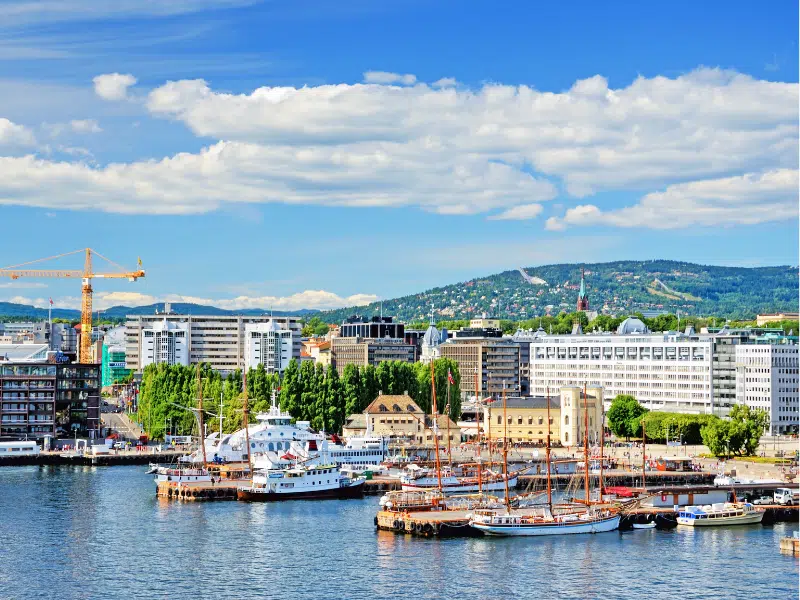
Oslo, the capital of Norway, is a vibrant city nestled between the Oslo Fjord and surrounding forests. Known for its stunning natural beauty, modern architecture, and rich cultural scene, Oslo offers a unique blend of urban sophistication and Scandinavian charm. The city is home to world-class museums, trendy neighborhoods, and a thriving arts and music scene.
Key Features of Oslo
- Natural Beauty: Oslo is surrounded by beautiful forests and the Oslo Fjord, offering stunning natural scenery.
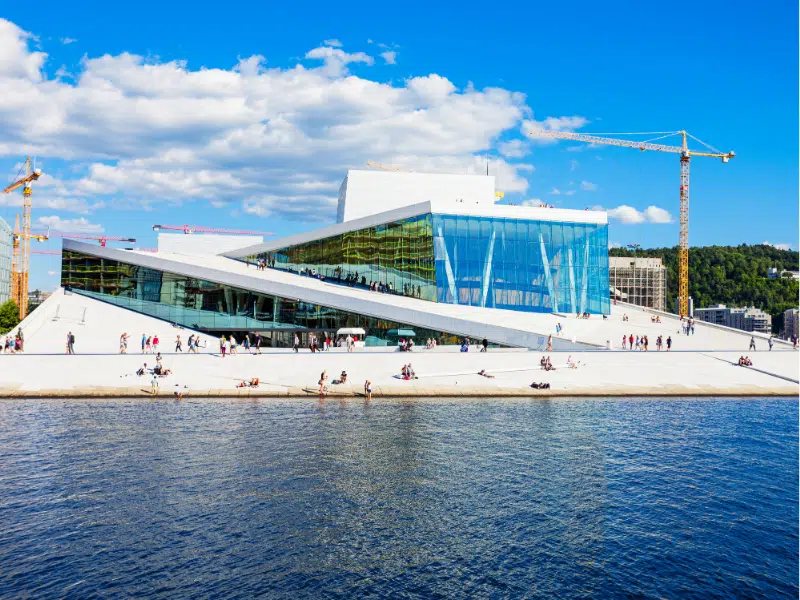
- Modern Architecture: The city boasts a mix of historic buildings and modern architecture, including iconic structures like the Opera House.
- Cultural Scene: Oslo has a thriving cultural scene with world-class museums, theaters, and music venues.
- Viking History: The city has a rich Viking history, which is reflected in its museums and cultural events.
- Outdoor Activities: Oslo offers plenty of opportunities for outdoor activities, such as hiking, biking, and skiing.
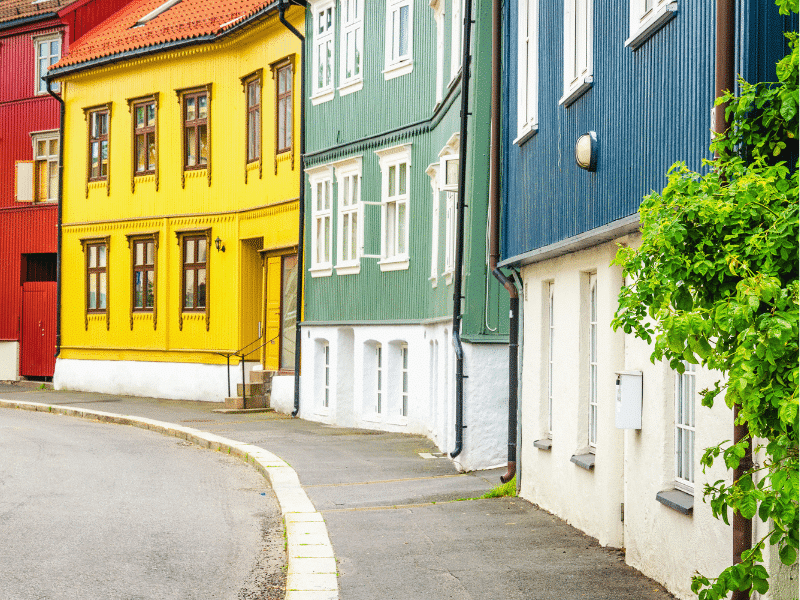
- Scandinavian Design: The city is known for its Scandinavian design aesthetic, which is evident in its architecture, furniture, and fashion.
- Friendly Locals: Oslo is known for its friendly and welcoming locals.
- High Standard of Living: Oslo is consistently ranked as one of the world’s most livable cities.
- Unique Attractions: The city offers unique attractions such as the Vigeland Sculpture Park and the Holmenkollen Ski Jump.
Fun Facts About Oslo
- The World’s Most Expensive City: Oslo has consistently ranked as one of the world’s most expensive cities.
- The Opera House on Water: The Oslo Opera House is built on a sloping waterfront, allowing visitors to walk up its roof and enjoy panoramic views of the city.
- Vigeland Sculpture Park: This park features over 200 sculptures by Gustav Vigeland, including the iconic “The Monolith.”
- The Viking Ship Museum: The museum houses three Viking ships that were discovered in the Oslo Fjord.
- The Nobel Peace Center: This museum and visitor center is dedicated to the work of the Nobel Peace Prize committee.
- The Holmenkollen Ski Jump: This iconic ski jump is the world’s oldest ski jump and hosts the Holmenkollen Ski Festival.
- The Munch Museum: This museum is dedicated to the works of Edvard Munch, the famous Norwegian artist.
- The Aker Brygge: This waterfront area is a popular destination for shopping, dining, and entertainment.
- The Polar Night: Oslo experiences a polar night during the winter months, when the sun does not rise above the horizon.
- The Summer Nights: During the summer months, Oslo enjoys long days and light nights, known as the “white nights.”
Local Legends About Oslo
The Troll in the Forest
One popular legend tells of a troll who lived in the forests surrounding Oslo. The troll was said to be a mischievous creature who would often play pranks on unsuspecting travelers. Some stories claim that the troll would even try to lure people into his lair.
The Dragon of the Fjord
Another legend involves a dragon that was said to live in the Oslo Fjord. The dragon was feared by local fishermen, who believed that it would attack their boats and steal their catch.
The Ghost of Akershus Fortress
Akershus Fortress is a historic landmark in Oslo, and it is said to be haunted by the ghost of a king who was imprisoned and executed there. Some people claim to have seen the ghost wandering the halls of the fortress.
The Giant of Holmenkollen
Holmenkollen is a famous ski jump in Oslo, and there is a legend associated with it. The legend tells of a giant who once lived on the hill where the ski jump is located. The giant was said to be a friendly creature who would often help local people.

What about the history of Oslo?
- Viking Origins: Oslo’s history dates back to the Viking Age, when it was a significant trading and shipbuilding center.
- Medieval Period: During the Middle Ages, Oslo was ruled by Norwegian kings and was a center of power and influence.
- Danish Rule: In the 14th century, Oslo came under Danish rule, which lasted for several centuries.
- 19th-Century Renaissance: The 19th century saw a cultural and economic renaissance in Oslo, with the establishment of cultural institutions and the development of local industries.
- Independence and Modernization: In 1905, Norway achieved independence from Sweden. The 20th century was a period of rapid modernization for Oslo, with the construction of new infrastructure and the growth of the city’s population.
Must-Try Food in Oslo

Traditional Norwegian Cuisine
- Rakfisk: This traditional fermented trout dish is a Norwegian delicacy, often served with flatbread and onions.
- Pinnekjøtt: This is a cured lamb dish that is traditionally cooked over an open fire.
- Fårikål: A hearty stew made with mutton and cabbage, often served with potatoes.
- Sild: Herring is a popular ingredient in Norwegian cuisine, often served pickled or smoked.
- Lefse: This is a thin, flatbread that is often served with butter and brown cheese.
Local Specialties
- Brunost: Brown cheese is a Norwegian specialty that is made from whey and has a strong, sweet flavor.
- Smørbrød: These are open-faced sandwiches that are popular in Norway. They are often topped with smoked salmon, herring, or other seafood.
- Fiskekaker: These are fish cakes that are typically served with mashed potatoes and a creamy sauce.
- Rømmegrout: This is a creamy porridge made with sour cream and flour.
- Frekke Fisk: This is a popular seafood restaurant chain that offers a variety of fresh seafood dishes.
Must Visit Attractions in Oslo
- Oslo Cathedral: A beautiful Gothic cathedral located in the heart of the city, known for its stunning stained glass windows.
- Freiauret: A historic astronomical clock located in the City Hall, featuring intricate carvings and astronomical displays.
- Norwegian Parliament: A beautiful neo-Gothic building that houses the Norwegian parliament, offering guided tours and exhibitions.
- City Hall: A stunning building that hosts the Nobel Peace Prize ceremony, featuring beautiful murals and sculptures.
- Nobel Peace Center: A museum and visitor center dedicated to the work of the Nobel Peace Prize committee.
- Royal Palace: The official residence of the Norwegian royal family, offering guided tours and beautiful gardens.
- National Theater: A historic theater that is home to the Norwegian National Ballet and Norwegian National Opera.
- Uranienborg Church: A beautiful Baroque church known for its ornate interior and historical significance.
- Frogner Park: A large park with beautiful gardens, sculptures, and a zoo.
This walking tour will take you through the heart of Oslo, allowing you to experience the city’s rich history, stunning architecture, and cultural significance.

Explore Oslo with World City Trail!
Embark on an unforgettable journey through the enchanting city of Oslo with World City Trail. Our interactive walking tour combines the thrill of exploration with the rich history and culture of this beatiful city.
Key Features:
Interactive gameplay: Solve engaging puzzles and challenges as you explore the city.
Iconic landmarks: Discover famous attractions like the Freiauret and the Norwegian Parliament
Hidden gems: Uncover lesser-known spots, such as the Nobel Peace or the Royal palace
Cultural insights: Learn about Oslo’s fascinating history.
Flexibility: Explore at your own pace and create your own itinerary.