
Table of Contents
A vibrant city in southeastern France
Lyon is a vibrant city in southeastern France, known for its rich history, stunning architecture, and delicious cuisine. Situated at the confluence of the Rhône and Saône rivers, it is the third-largest city in France and a major cultural and economic center. Lyon is famous for its UNESCO World Heritage-listed historic center, which features a mix of Roman, medieval, and Renaissance architecture. The city is also a culinary capital, renowned for its bouchons, traditional restaurants serving hearty Lyonnais dishes.
Key Features of Lyon:
- UNESCO World Heritage Site: Lyon’s historic center is a UNESCO World Heritage site, renowned for its exceptional architectural beauty, including Roman, medieval, and Renaissance buildings.
- Gastronomic Capital: Lyon is considered one of the culinary capitals of France, famous for its bouchons, traditional restaurants serving hearty Lyonnais dishes.
- Birthplace of Cinema: Auguste and Louis Lumière, the inventors of the cinematograph, were from Lyon, making the city a significant birthplace of cinema.
- Fête des Lumières: Lyon hosts the renowned Fête des Lumières, a spectacular light festival that illuminates the city with thousands of lights.
- Traboules: The city is known for its traboules, hidden passageways that connect buildings, offering a unique and historical experience.
- Silk Production: Lyon has a long history of silk production and was once a major center of the silk industry.
- Cultural Hub: Lyon is a vibrant cultural center with numerous museums, theaters, and music venues.
- Beautiful Setting: Situated at the confluence of the Rhône and Saône rivers, Lyon offers a picturesque setting with stunning views.
- Lively Atmosphere: Lyon is a lively and cosmopolitan city with a friendly and welcoming atmosphere.
Fun Facts About Lyon:
- The City of Lights: Lyon is sometimes referred to as “The City of Lights” due to its impressive lighting displays, especially during the annual Fête des Lumières.
- The Birthplace of Cannelés: The delicious pastry cannelé was invented in Lyon and is a local specialty.
- The “Capital of Gastronomy”: Lyon is often considered the “Capital of Gastronomy” in France, thanks to its rich culinary traditions and numerous Michelin-starred restaurants.
- The Home of Guignol: Guignol, a popular puppet character, was created in Lyon and is a symbol of the city’s theatrical heritage.
- The “City of Mules”: Lyon was once a major center for the transportation of goods by mule, and the city’s coat of arms features a mule.
- The “City of Murals”: Lyon is home to a large number of murals, which add color and vibrancy to the city’s streets.
- The “City of Textile”: Lyon has a long history of textile production, especially silk, and was once a major center of the textile industry.
- The “City of Water”: Lyon is situated at the confluence of the Rhône and Saône rivers, and water plays a significant role in the city’s history and culture.

Local Legends About Lyon
- The Legend of the Cannelé: One of the most popular legends about Lyon is the origin of the cannelé, a delicious pastry that is a local specialty. It is said that the cannelé was accidentally created by a baker who left a batter in a mold overnight and found it cooked to perfection the next morning.
- The Ghost of the Silk Weaver: There is a legend about a young silk weaver who fell in love with a noblewoman but was forbidden to see her. Heartbroken, he drowned himself in the Rhône River. It is said that his ghost still haunts the river, searching for his lost love.
- The Dragon of Fourvière: In the nearby Fourvière Hill, there is a legend of a fearsome dragon that terrorized the local people. A brave knight from Lyon is said to have slain the dragon, saving the region from its wrath.
- The Hidden Treasure of the Cardinal: There are rumors that a powerful cardinal who lived in Lyon may have hidden a vast treasure somewhere in the city. Treasure hunters have been searching for this hidden wealth for centuries, but it has never been found.

What about the history of Lyon?
- Roman Origins: Lyon has a rich history dating back to Roman times when it was known as Lugdunum. It was a major Roman city and the capital of the Roman province of Gallia Lugdunensis.
- Medieval Power: During the Middle Ages, Lyon became a powerful city and a center of trade and commerce.
- Renaissance Flourishing: The Renaissance period saw a flourishing of arts and culture in Lyon, with many beautiful buildings and works of art being created.
- Silk Production: Lyon has a long history of silk production and was once a major center of the silk industry in Europe.
Must-Try Food in Lyon
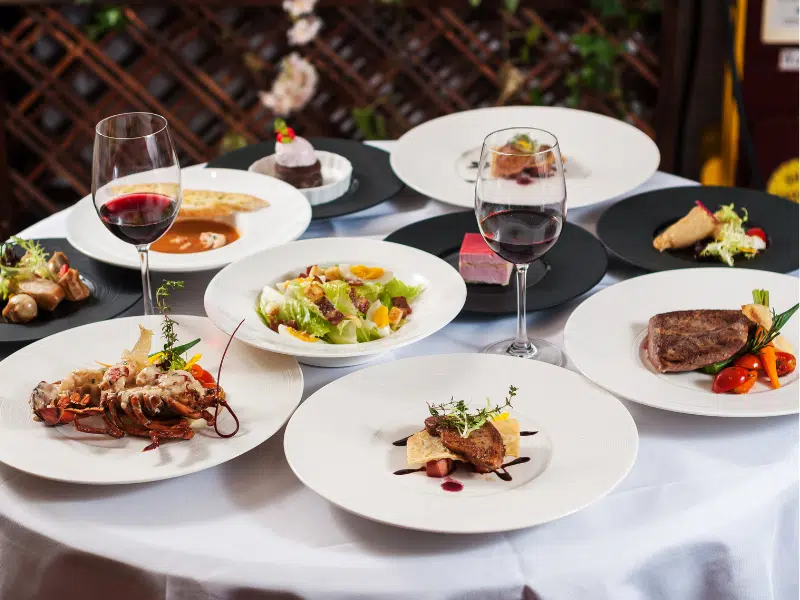
- Bouchon Lyonnais: A traditional Lyonnais restaurant serving hearty and comforting dishes. Must-try dishes include quenelles, saucisson à la brioche, and tablier de sapeur.
- Quenelles: Delicate dumplings made with pike or trout, often served in a creamy sauce.
- Saucisson à la Brioche: A sausage served in a brioche bun, often accompanied by potatoes.
- Tablier de Sapeur: A hearty stew made with beef tripe, vegetables, and wine.
- Lyonnaise Salad: A classic French salad made with mixed greens, bacon, croutons, and a creamy dressing.
- Cannelés: Small, sweet pastries with a caramelized crust and a soft, custard-like center.
- Pralines Roses: Rose-flavored almonds coated in chocolate, a popular Lyon specialty.
- Pâté Croûte: A savory pie made with meat, vegetables, and puff pastry.
- Fromage Blanc: A creamy cheese often served with fruit or honey.
- Kir: A popular aperitif made with crème de cassis (blackcurrant liqueur) and white wine.
Must Visit Attractions in Lyon
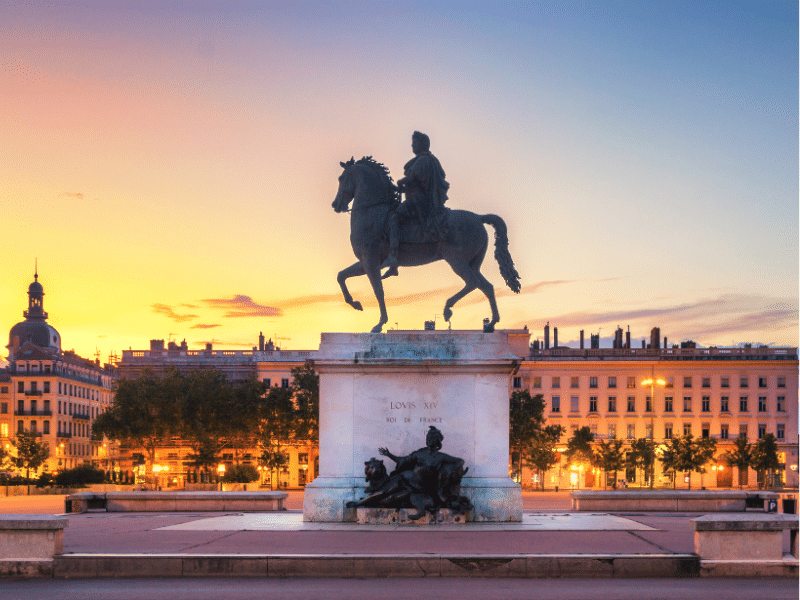
Place Bellecour is a spacious square surrounded by elegant buildings, serving as a gathering place for locals and tourists alike. It features a beautiful equestrian statue of Louis XIV and a seasonal ice rink.
Pont Bonaparte is a pedestrian bridge that offers stunning views of the Rhône River and the city’s skyline. It’s a popular spot for leisurely walks and romantic strolls.
Cathédrale Saint-Jean-Baptiste is a majestic Gothic cathedral with a stunning astronomical clock and intricate stained glass windows. It also houses a treasury museum showcasing religious artifacts.
Temple du Change is a Renaissance-style building that once served as a bank and now houses a museum dedicated to the history of money and finance.
Fresque des Lyonnais is a massive mural depicting 30 famous personalities from Lyon, showcasing the city’s rich heritage.
Hôtel de Ville de Lyon is a magnificent 17th-century building that serves as the city hall. It features two courtyards and lavishly decorated interiors.
Musée des Beaux-Arts de Lyon is a world-class museum housed in a former 17th-century abbey. It boasts an impressive collection of paintings, sculptures, and decorative arts from ancient to modern times.
Église Saint-Nizier de Lyon is an ancient Gothic church with beautiful stained glass windows and a rich history dating back to the 4th century. It’s a must-visit for history and architecture enthusiasts.
This walking tour will take you through the heart of Lyon, allowing you to experience the city’s rich history, stunning architecture, and cultural significance.
Explore Lyon with World City Trail

Embark on an unforgettable journey through the enchanting city of Lyon with World City Trail. Our interactive walking tour combines the thrill of exploration with the rich history and culture of this beatiful city.
Key Features:
Interactive gameplay: Solve engaging puzzles and challenges as you explore the city.
Iconic landmarks: Discover famous attractions like the Temple du Change and the Fresque des Lyonnais.
Hidden gems: Uncover lesser-known spots, such as the Place Bellecour or the Pont Bonaparte.
Cultural insights: Learn about Lyon’s fascinating history.
Flexibility: Explore at your own pace and create your own itinerary.
Learn more fun facts about Lyon!
Book your Lyon adventure today and experience the magic of this beatiful city.
Further reading on Wikipedia: Place Bellecour