

Table of Contents
Stunning architecture, rich culture, and lively atmosphere
Seville is a vibrant and historic city in southern Spain, known for its stunning architecture, rich culture, and lively atmosphere. As the capital of Andalusia, Seville is a melting pot of Islamic, Christian, and Moorish influences, evident in its intricate buildings and vibrant festivals.
Key attractions include the Seville Cathedral with its iconic Giralda tower, the Alcázar Palace, and the Plaza de España. The city is also famous for its flamenco music and dance, which can be enjoyed in numerous venues throughout the city.
Key Features of Seville
- Rich History and Culture: Seville boasts a deep-rooted history, influenced by Roman, Moorish, and Christian civilizations. This rich heritage is evident in its stunning architecture and cultural traditions.
- Iconic Landmarks: The city is home to world-renowned landmarks such as the Seville Cathedral with its iconic Giralda tower, the Alcázar Palace, and the Plaza de España.
- Vibrant Festivals: Seville is famous for its lively festivals, including the Feria de Abril (April Fair) and Semana Santa (Holy Week), which showcase the city’s vibrant culture and traditions.
- Flamenco Capital: Seville is considered the birthplace of flamenco, a passionate dance form that is deeply rooted in Andalusian culture.
- Delicious Cuisine: Seville offers a variety of delicious local dishes, including tapas, paella, and gazpacho, often accompanied by sherry.
- Beautiful Architecture: The city’s architecture is a blend of different styles, including Gothic, Moorish, and Baroque, creating a visually stunning cityscape.
- Sunny Climate: Seville enjoys a warm and sunny climate, making it a popular destination for tourists throughout the year.

Fun Facts About Seville
- The Giralda Tower: The iconic Giralda tower, part of the Seville Cathedral, was originally a minaret built by the Moors. It was later converted into a bell tower after the Christian conquest.
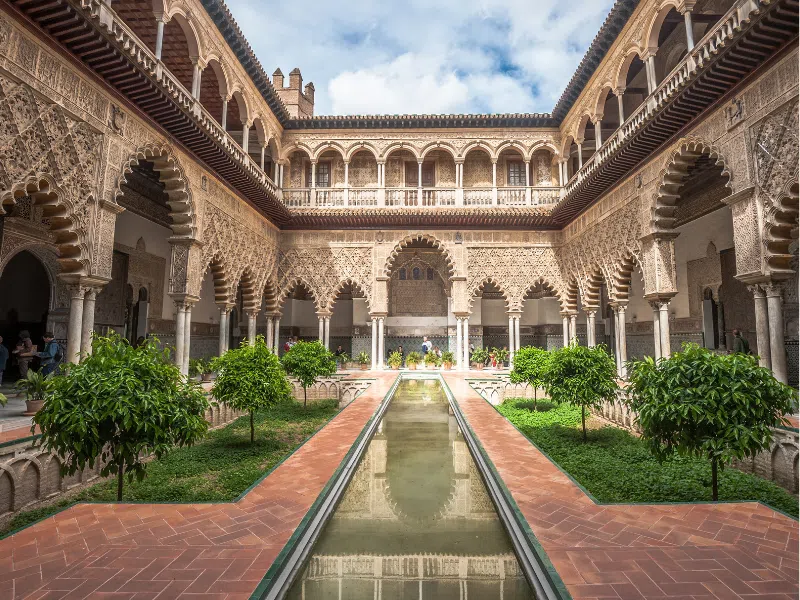
- The Alcázar Palace: The Alcázar Palace is one of the oldest royal palaces in Europe, dating back to the 11th century. It served as the seat of the Moorish kings of Seville and later the Spanish monarchs.
- Flamenco Origins: Seville is considered the birthplace of flamenco, a passionate dance form that combines music, dance, and singing. The city’s vibrant culture and history provided the perfect conditions for this art form to develop.
- Bullfighting Tradition: Seville has a strong bullfighting tradition, and the Plaza de Toros de la Maestranza is one of the most famous bullrings in Spain.
- Sherry Production: Seville is located in the Sherry Triangle, a region known for its production of sherry, a fortified wine.
- The Triana Neighborhood: Triana is a historic neighborhood across the Guadalquivir River from Seville’s city center. It is famous for its pottery, flamenco, and bullfighting traditions.
- The Seville Fair: The Feria de Abril, a vibrant festival held in April, is one of the most famous in Spain. It features colorful costumes, horse riding, flamenco music, and delicious food.
Local Legends of Seville
The Legend of Don Juan
Perhaps the most well-known legend associated with Seville is that of Don Juan, a notorious womanizer and libertine. While the historical accuracy of this figure is debated, the legend of Don Juan, his exploits, and his ultimate fate has captivated audiences for centuries.
The Legend of the Phantom Horseman
Another popular legend tells of a phantom horseman who roams the streets of Seville, particularly around the Plaza de España. Said to be a ghostly apparition of a former nobleman, the horseman is often seen riding a white horse, his face obscured by a wide-brimmed hat.
The Legend of the Enchanted Garden
It is said that hidden within the Alcázar Palace is an enchanted garden, a secret paradise filled with exotic plants, fragrant flowers, and a shimmering fountain. According to legend, only those who possess pure hearts and a true love for nature can discover this hidden gem.
The Legend of the Moorish Princess
A romantic legend tells of a beautiful Moorish princess who fell in love with a Christian knight. When their forbidden love was discovered, the princess was forced to flee the city, vowing to return one day and reunite with her beloved. Some believe that the princess’s ghost still haunts the Alcázar Palace, searching for her lost love.

Seville’s History
- Roman Era: The city was founded by the Romans as Hispalis in the 2nd century BC. It became a prosperous Roman colony, known for its trade in agricultural products and luxury goods.
- Moorish Conquest: In the 8th century, the Moors conquered Seville, incorporating it into the Al-Andalus Caliphate. Under Moorish rule, Seville flourished as a cultural and intellectual center, renowned for its architecture, poetry, and philosophy.
- Christian Reconquest: In 1248, Christian forces led by King Ferdinand III of Castile recaptured Seville from the Moors. The city became the capital of the Kingdom of Castile and León, and its cultural and economic importance continued to grow.
- Age of Exploration: During the Age of Exploration, Seville played a crucial role as a port for Spanish ships sailing to the Americas. The city’s prosperity was fueled by the wealth brought back from the New World.
- Golden Age: The 16th and 17th centuries marked Seville’s Golden Age. The city’s architecture, art, and literature reached new heights, and it became a center of cultural and intellectual life in Europe.
- Decline: In the 18th century, Seville’s economic importance began to decline as trade routes shifted to other ports. However, the city retained its cultural heritage and historical significance.
Must-Try Food in Seville
Tapas:
- Gambas al Ajillo: Garlic shrimp, a classic Spanish tapas dish with succulent shrimp sautéed in garlic and olive oil.
- Tortilla Española: Spanish omelet, a savory dish made with eggs, potatoes, and onions.
- Patatas Bravas: Spicy potatoes, crispy potatoes served with a spicy tomato sauce.
Main Courses:
- Paella: A flavorful rice dish with seafood, chicken, or vegetables.
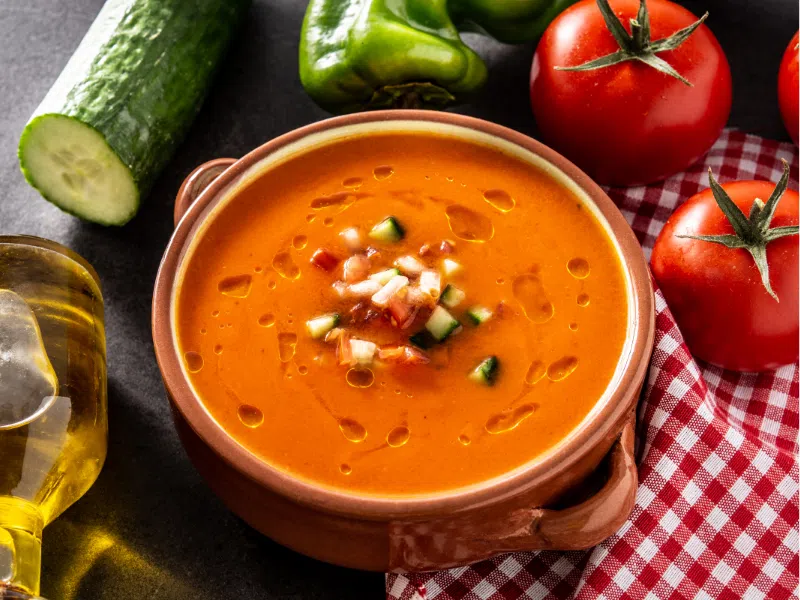
- Gazpacho: A cold tomato soup, perfect for hot summer days.
- Pescaíto Frito: Deep-fried small fish, a popular Andalusian dish.
- Solomillo al Whisky: Fillet steak cooked in whiskey sauce, a hearty and flavorful dish.
Desserts:
- Torrijas: French toast soaked in milk and fried, often served with honey or cinnamon.
- Pestiños: Crispy fritters dipped in honey and sprinkled with cinnamon.
- Flan: A creamy custard dessert, similar to crème caramel.
Drinks:
- Sherry: A fortified wine produced in the Sherry Triangle, with various styles to choose from, such as fino, manzanilla, and oloroso.
- Rebujito: A refreshing drink made with fino sherry, lemonade, and mint.
- Tinto de Verano: A summer drink made with red wine, lemonade, and ice.
Don’t forget to try:
- Jamón Ibérico: High-quality cured ham, a Spanish delicacy.
- Chorizo: A spicy cured sausage.
- Queso Manchego: A sheep’s milk cheese, known for its nutty flavor.
Must Visit Attractions in Seville
- Torre del Oro: This imposing tower, located on the banks of the Guadalquivir River, was built in the 12th century as one of the gates of the Arab wall. Today it houses a maritime museum.
- Plaza de toros: Known as La Maestranza, it’s one of the oldest and most prestigious bullrings in Spain. If you’re a bullfighting enthusiast, you can’t miss it.
- Plaza del Cabildo: This square is located in the heart of the Santa Cruz neighborhood and is a great place to enjoy a coffee or simply watch people come and go.
- Seville Cathedral: The Seville Cathedral is the largest Gothic cathedral in the world and one of the most impressive in Europe. It stands out for its Giralda, a former minaret converted into a bell tower.
- Puerta del León: This gate is one of the main entrances to the Santa Cruz neighborhood. Its name is due to the sculpture of a lion that adorns it.
- Real Fábrica de Tabacos: This former building, now converted into the University of Seville, is an example of 18th-century industrial architecture.
- Fuente de la Glorieta: This fountain, located in the center of the square of the same name, is one of the most emblematic monuments in Seville.
- Plaza de España: Built for the Ibero-American Exposition of 1929, this square is a masterpiece of Spanish regionalism. It stands out for its canal and its tiled benches.
- Parque de María Luisa: This extensive park, created for the same exhibition, is the green lung of the city. Inside you will find the Archaeological Museum, the Museum of Fine Arts, and the Mudéjar Pavilion.
This walking tour will take you through the heart of Seville, allowing you to experience the city’s rich history, stunning architecture, and cultural significance.
Explore Seville with World City Trail
Embark on an unforgettable journey through the enchanting city of Seville with World City Trail. Our interactive walking tour combines the thrill of exploration with the rich history and culture of this beatiful city.
Key Features:
Interactive gameplay: Solve engaging puzzles and challenges as you explore the city.
Iconic landmarks: Discover famous attractions like the Plaza de toros and the Plaza del Cabildo.
Hidden gems: Uncover lesser-known spots, such as the Fuente de la Glorieta or the Plaza de España.
Cultural insights: Learn about Seville’s fascinating history.
Flexibility: Explore at your own pace and create your own itinerary.
Learn more fun facts about Seville!
Book your Seville adventure today and experience the magic of this beatiful city.
Further reading on Wikipedia: Alcázar of Seville