
Table of Contents

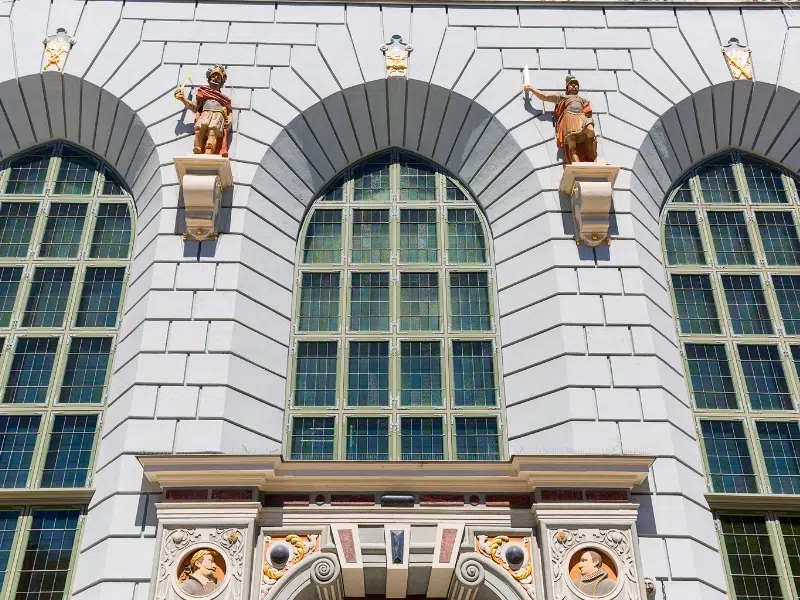
The Artus Court (Dwór Artusa) is a historic building located in Gdańsk, Poland. This magnificent Renaissance structure once served as a meeting place for wealthy merchants and artisans, and it now houses a museum dedicated to the city’s vibrant history.
A Glimpse into History
Constructed in the 15th century, the Artus Court was originally a gathering place for the Brotherhood of Saint George, a guild of influential merchants. Its grandiose architecture, featuring an intricately detailed facade and elegant interiors, epitomizes the wealth and influence of Gdańsk’s merchant class during its heyday.
Despite enduring significant damage during World War II, the Artus Court was meticulously restored, preserving its historical and architectural legacy. Today, it stands as a symbol of the city’s resilience and rich cultural heritage.
A Cultural Hub
The Artus Court has long been a cornerstone of Gdańsk’s cultural life, hosting grand events such as banquets, concerts, and exhibitions that reflected the city’s prosperity. At its heart lies the iconic Great Hall, a masterpiece of Renaissance design. The vaulted ceiling, adorned with intricate wooden carvings, complements the room’s vibrant murals and magnificent stained-glass windows. These windows, depicting allegorical and historical scenes, flood the space with multicolored light, adding to its enchanting ambiance.
Highlights to Explore:
- The Great Hall: The centerpiece of the Artus Court, this majestic hall features an awe-inspiring vaulted ceiling, ornate wooden decorations, and stunning stained-glass windows. Look for the richly detailed murals that narrate tales of Gdańsk’s golden age.
- Museum Exhibits: A captivating collection of historical artifacts, including trade documents, artistic treasures, and relics of the Hanseatic era, offering a deeper understanding of the city’s economic and cultural achievements.
- Courtyard: This serene space provides a welcome escape from the bustling city, offering a quiet setting to admire the Artus Court’s architecture and soak in its historic atmosphere.
A Testament to Prosperity and Perseverance
The Artus Court embodies Gdańsk’s golden age—a time when it was a bustling center of trade and culture. It also symbolizes the city’s perseverance through challenges, serving as a proud reminder of its storied past and enduring spirit.
Its intricate architecture and historical significance continue to inspire visitors, showcasing the resilience and creativity that have defined Gdańsk for centuries. The Artus Court stands as a beacon of the city’s rich heritage and bright future.
Tips for visiting the Artus Court
- Best Time to Visit: Spring and summer provide the most pleasant weather for exploring the area.
- Guided Tours: Enhance your experience with a guided tour to uncover the Court’s rich history and symbolism.
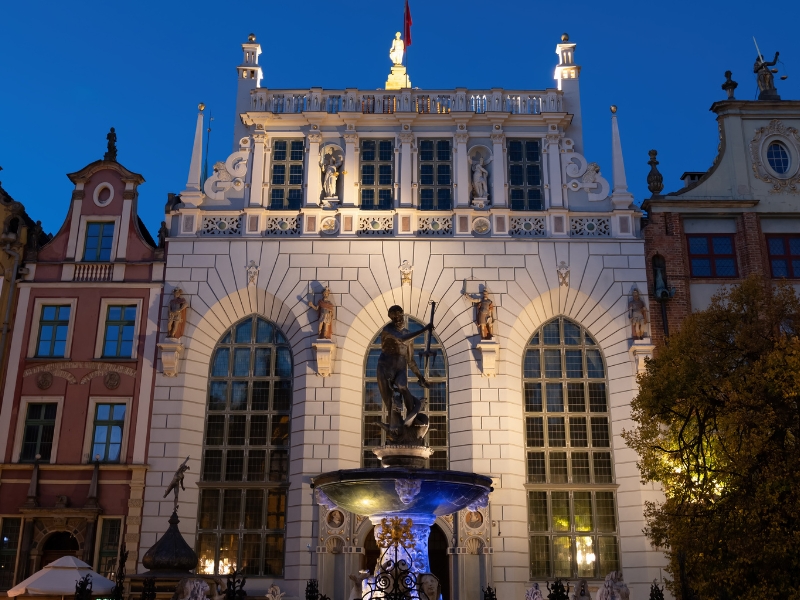
- Photography: Visit in the evening to capture the illuminated facade in all its glory.
- Nearby Attractions: Don’t miss landmarks like the Neptune Fountain, Long Market, and Golden Gate, all just steps away.
- Local Cuisine: After your visit, savor Polish dishes at nearby cafes and restaurants.
The Artus Court is more than just a historical building; it’s a living testament to Gdańsk’s golden age and a gateway to understanding the city’s extraordinary past.
Artus Court is part of Gdansk scavenger hunt and walking tour!
Embark on an unforgettable journey through the enchanting city of Gdansk with World City Trail. Our interactive walking tour combines the thrill of exploration with the rich history and culture of this beautiful city.
Key Features:
Interactive gameplay: Solve engaging puzzles and challenges as you explore the city.
Hidden gems: Uncover lesser-known spots.
Cultural insights: Learn about the city’s fascinating history.
Flexibility: Explore at your own pace and create your own itinerary.
Family friendly activity and a great way to explore the city!
Further reading on Wikipedia: Gdańsk