

Table of Contents
The Galleria Umberto I, a stunning 19th-century arcade in the heart of Naples, is an emblem of Italian elegance and architectural ingenuity. Located near the Teatro di San Carlo and Piazza del Plebiscito, this iconic landmark is a must-visit destination for anyone exploring the vibrant culture and history of Naples. Combining ornate design with modern functionality, the Galleria serves as both a historical attraction and a lively commercial center.
A Historical Landmark
Built between 1887 and 1890, the Galleria Umberto I was part of a broader urban renewal project designed to rejuvenate Naples after a series of devastating cholera outbreaks. The arcade was named after King Umberto I of Italy, who ruled during its construction. Designed by architect Emanuele Rocco, the Galleria was modeled after the famous Galleria Vittorio Emanuele II in Milan but incorporates its own unique Neapolitan flair.
The Galleria quickly became a symbol of Naples’ modernization, offering an elegant space for commerce, leisure, and social gatherings. Over the years, it has hosted a variety of establishments, including cafes, boutiques, and theaters, making it a central part of Neapolitan daily life.
Architectural Splendor
The Galleria Umberto I is a masterpiece of architectural harmony, blending elements of Neoclassical and Renaissance Revival styles. Its grand design features a cross-shaped layout with four entrances leading to a central octagonal space. The highlight of the Galleria is its soaring glass and iron dome, which rises nearly 57 meters above the ground, flooding the arcade with natural light and creating an airy, open ambiance.
The arcade’s floors are adorned with intricate mosaics, depicting zodiac signs, ornamental patterns, and other decorative motifs that add to its artistic charm. The facades of the interior walls are equally impressive, with arched windows, classical pilasters, and elaborate cornices contributing to the overall grandeur.

A Bustling Commercial Center
From the moment it opened, the Galleria Umberto I established itself as a vibrant hub of activity. Today, it remains a popular destination for both locals and tourists, offering a mix of shops, cafes, and cultural attractions. Visitors can browse through boutiques selling everything from high-end fashion to artisanal goods or stop by one of the charming cafes for a coffee and traditional Neapolitan pastry.
The Galleria also features spaces for art exhibitions and performances, ensuring its role as a cultural centerpiece of the city. Its strategic location near some of Naples’ most famous landmarks, such as the Royal Palace and the Castel Nuovo, makes it an ideal spot to rest, shop, or simply soak in the atmosphere while exploring the area.
Cultural Significance
Beyond its commercial appeal, the Galleria Umberto I holds a special place in the cultural life of Naples. Its elegant design and central location have made it a gathering place for generations, embodying the city’s blend of tradition and modernity. The arcade’s open spaces and rich acoustics also make it a venue for spontaneous musical performances and social events, adding to its lively character.
Over the years, the Galleria has become a symbol of Neapolitan resilience, surviving World War II bombings and periods of economic decline. Its continued vibrancy is a testament to the enduring spirit of Naples and its people.
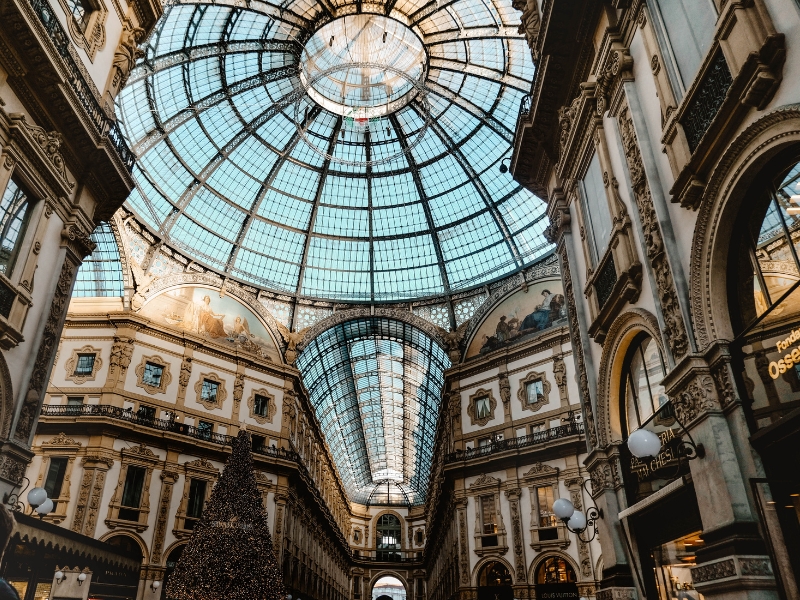
Galleria Umberto I is part of Naples scavenger hunt and walking tour!
Embark on an unforgettable journey through the enchanting city of Naples with World City Trail. Our interactive walking tour combines the thrill of exploration with the rich history and culture of this beautiful city.
Key Features:
Interactive gameplay: Solve engaging puzzles and challenges as you explore the city.
Hidden gems: Uncover lesser-known spots.
Cultural insights: Learn about the city’s fascinating history.
Flexibility: Explore at your own pace and create your own itinerary.
Family friendly activity and a great way to explore the city!
Further reading on Wikipedia: Naples