
Table of Contents
The Place de la Concorde, the largest square in Paris, stands as a testament to the city’s turbulent past and its enduring grandeur. Located between the Champs-Élysées and the Tuileries Garden, this iconic square has witnessed pivotal moments in French history, from royal celebrations to the horrors of the French Revolution.
A Monument to Royal Power
Originally conceived as Place Louis XV in honor of the reigning monarch, the square was designed by Ange-Jacques Gabriel in the mid-18th century. It was intended to be a grand display of royal power, a masterpiece of urban planning that would reflect the magnificence of the French monarchy.
The design, a testament to the architectural genius of the era, features a symmetrical layout with elegant fountains and statues, creating a sense of order and grandeur. The centerpiece was to be an equestrian statue of King Louis XV, symbolizing his absolute power and the splendor of his reign. This ambitious project was a testament to the ambitions of the monarchy and the aspirations of the Enlightenment, which sought to create a more ordered and rational society.
A Shadow of the Revolution
However, the French Revolution dramatically altered the square’s destiny. The ideals of liberty, equality, and fraternity that fueled the revolution soon clashed with the symbols of royal authority. The statue of Louis XV was toppled, a symbolic act of defiance against the monarchy. The square was renamed Place de la Révolution, a stark reminder of the seismic shifts that were transforming French society.
The Place de la Concorde tragically became the site of mass executions, with the guillotine erected in its center. King Louis XVI, Marie Antoinette, and countless others, including prominent figures of the Revolution itself, met their demise here. This dark period in French history casts a long shadow over the square, leaving an indelible mark on its identity and serving as a poignant reminder of the tumultuous events that shaped the nation.

A Symbol of Reconciliation and Renewal
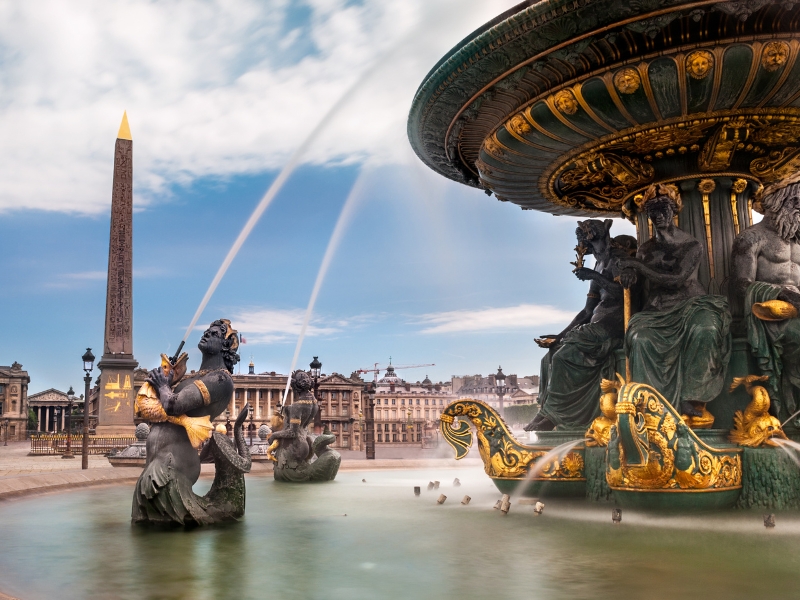
After the tumultuous years of the Revolution, the square was renamed Place de la Concorde in 1795, symbolizing a desire for reconciliation and a new beginning. The installation of the Luxor Obelisk in 1836, a gift from Egypt, marked a turning point. This ancient Egyptian monument, standing 23 meters tall, replaced the guillotine as the centerpiece of the square, symbolizing a shift towards a more peaceful era.
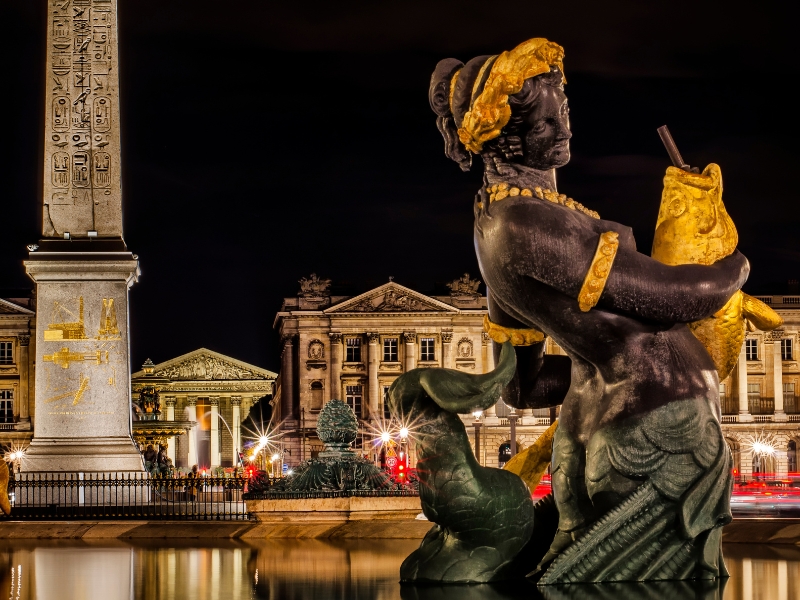
The Luxor Obelisk, with its intricate hieroglyphics and its ancient origins, added a layer of historical depth to the square. It served as a connection to the distant past, a reminder of the enduring power of human civilization and a symbol of the city’s evolving identity.
A Parisian Icon
Today, the Place de la Concorde remains one of Paris’ most iconic landmarks. Its grandeur is undeniable, with its elegant fountains, statues, and the majestic Luxor Obelisk dominating the landscape. The square serves as a vibrant hub of activity, attracting tourists and locals alike.
- A Hub of Activity: The Place de la Concorde is a popular gathering spot for Parisians and visitors alike. It’s a common starting point for city tours, a popular spot for people-watching, and a frequent venue for public events and celebrations.
- Breathtaking Views: The square offers breathtaking views of the surrounding cityscape. To the west, the Champs-Élysées stretches towards the Arc de Triomphe, a magnificent avenue lined with elegant buildings and bustling cafes. To the east, the Tuileries Garden leads to the Louvre Museum, one of the world’s most renowned art museums.
- A Cultural Crossroads: The Place de la Concorde serves as a crossroads between different parts of the city, connecting major attractions and facilitating easy access to various neighborhoods.
Place de la Concorde is part of Paris scavenger hunt and walking tour!
Embark on an unforgettable journey through the enchanting city of Paris with World City Trail. Our interactive walking tour combines the thrill of exploration with the rich history and culture of this beautiful city.
Key Features:
Interactive gameplay: Solve engaging puzzles and challenges as you explore the city.
Hidden gems: Uncover lesser-known spots.
Cultural insights: Learn about the city’s fascinating history.
Flexibility: Explore at your own pace and create your own itinerary.
Family friendly activity and a great way to explore the city!
Further reading on Wikipedia: Paris