
Perched in the heart of Bolzano, the South Tyrol Museum of Archaeology is not merely a regional museum; it is an internationally renowned institution, primarily famous as the permanent home of Ötzi the Iceman. This extraordinary natural mummy, along with his remarkably preserved possessions, offers an unparalleled window into Copper Age Europe. The museum provides a captivating journey through the prehistoric and early historic periods of South Tyrol, transforming archaeological findings into compelling narratives of human life in the Alps over millennia.
A Modern Home for an Ancient Discovery
The need for South Tyrol Museum of Archaeology became paramount following one of the most significant archaeological discoveries of the 20th century. On September 19, 1991, two German hikers stumbled upon a perfectly preserved human corpse emerging from a melting glacier in the Ötztal Alps, on the border between Austria and Italy. This incredible find, later named Ötzi the Iceman, was initially believed to be a modern mountaineering accident victim. However, subsequent examination revealed he was a man from the Copper Age, dating back approximately 5,300 years.
Ötzi’s unprecedented level of preservation, including his clothing, tools, and even his last meal, immediately established him as a global archaeological sensation. The question of where to house and study this invaluable relic quickly arose. Given that the discovery site was officially on Italian territory (South Tyrol), it was decided that Ötzi and his artifacts would reside in Bolzano.
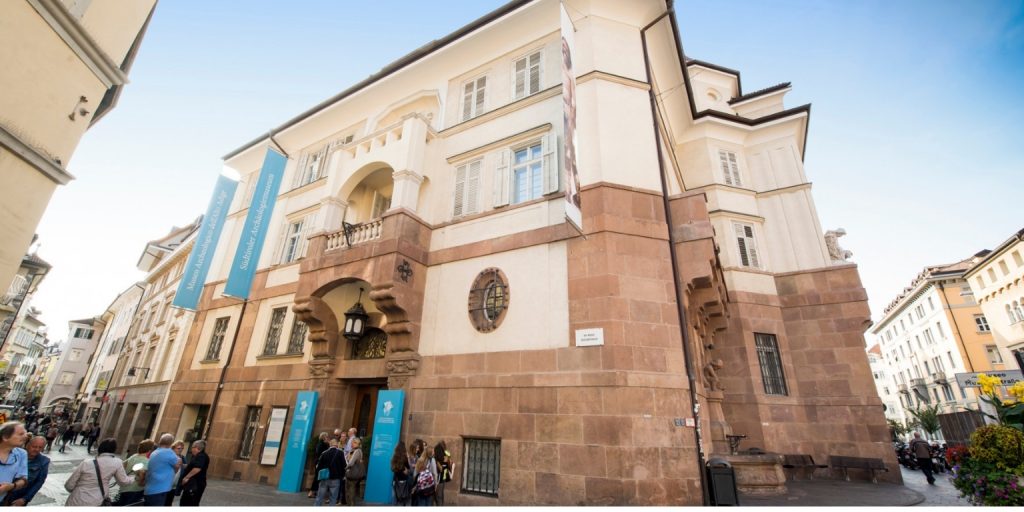
The South Tyrol Museum of Archaeology was established and opened its doors to the public in 1998, specifically to accommodate Ötzi and to showcase the rich archaeological heritage of the region. The museum building itself is a former bank (the Austrian National Bank), repurposed and meticulously renovated to create a modern, climate-controlled environment suitable for displaying such delicate and significant artifacts. Its strategic location in the city center makes it easily accessible to visitors.
Ötzi the Iceman: The Star Attraction
The main draw of the South Tyrol Museum of Archaeology is undoubtedly Ötzi the Iceman. Housed in a specially designed cold cell that precisely replicates the glacier conditions in which he was found (maintaining a constant temperature of -6°C and 98% humidity), Ötzi is visible to the public through a small window. This controlled environment ensures his long-term preservation for future generations of study and admiration.
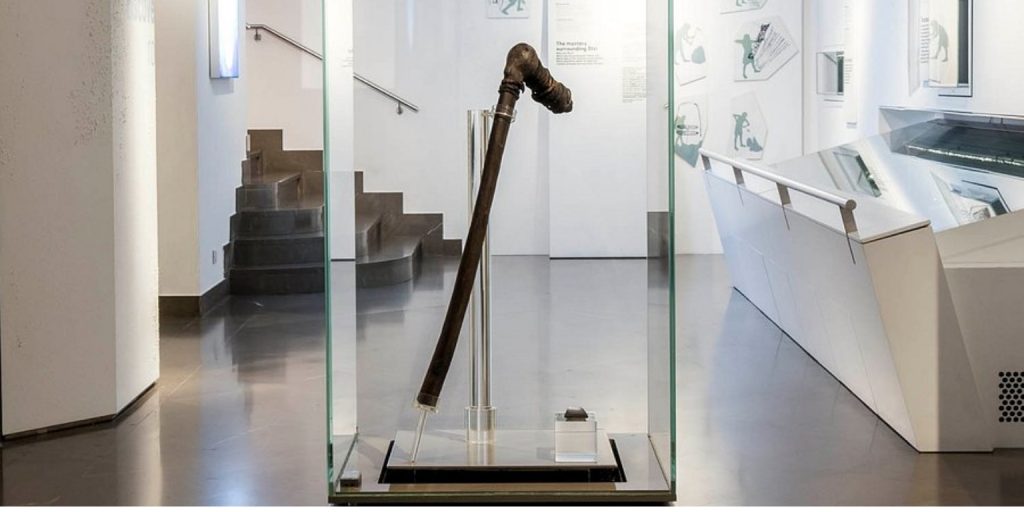
Adjacent to Ötzi’s display, the museum meticulously presents his personal belongings, which offer incredible insights into daily life in the Copper Age:
- Clothing: Fragments of leather and woven grass, revealing early textile technology.
- Tools and Weapons: A copper axe (a high-status item for the time), a flint dagger, a bow, a quiver with arrows, and various tools for hide preparation and fire-making.
- Packs and Pouches: Containing medicinal fungi, flint flakes, and dried food.
Beyond the physical artifacts, the South Tyrol Museum of Archaeology utilizes advanced forensic reconstructions, interactive displays, and detailed explanations to tell Ötzi’s compelling story: his appearance, diet, health issues (including tattoos and an old arrow wound that likely caused his death), and the world he inhabited. Scientific studies, ongoing since his discovery, continue to reveal new information, making Ötzi a constantly evolving source of knowledge about early human history.

Exploring South Tyrol’s Prehistory
While Ötzi is the star, the museum’s comprehensive collection extends far beyond the Iceman, providing a thorough overview of the archaeological finds from South Tyrol from the Paleolithic period (around 15,000 BC) to the Carolingian period (around 800 AD). The permanent exhibition is organized chronologically across three floors, exploring various aspects of prehistoric life:
- Early Settlement: Evidence of the first human inhabitants in the Alps.
- Bronze Age and Iron Age: Artifacts like pottery, metal tools, and jewelry, reflecting the development of early societies, agriculture, and metallurgy in the region.
- Roman Period: Remains from the Romanization of South Tyrol, including everyday objects, military equipment, and inscriptions.
- Early Medieval Period: Discoveries from the transition to the Middle Ages, showcasing the cultural shifts that occurred.
The museum also hosts engaging temporary exhibitions that delve into specific archaeological themes or present new research findings. Educational programs and workshops further enhance the visitor experience, making complex archaeological concepts accessible to all ages.
The South Tyrol Museum of Archaeology in Bolzano, established in 1998 specifically to house and showcase the incredible discovery of Ötzi the Iceman in 1991, has rapidly become a leading center for prehistoric research and public engagement. It offers an unparalleled opportunity to connect with a truly ancient past, making it an essential destination for anyone interested in human history and the fascinating story of life in the Alps.